
New Yorkers Embrace Induction Stoves in Clean Energy Shift, Citing Health and Cost Benefits
In a significant move toward sustainable living, thousands of New York residents are transitioning from traditional gas stoves to electric induction models, motivated by environmental, health, and economic factors. This shift is part of a broader clean energy initiative gaining traction across the United States, with states like California and Georgia also promoting induction technology.
Washington Heights Pilot Project Sparks Change
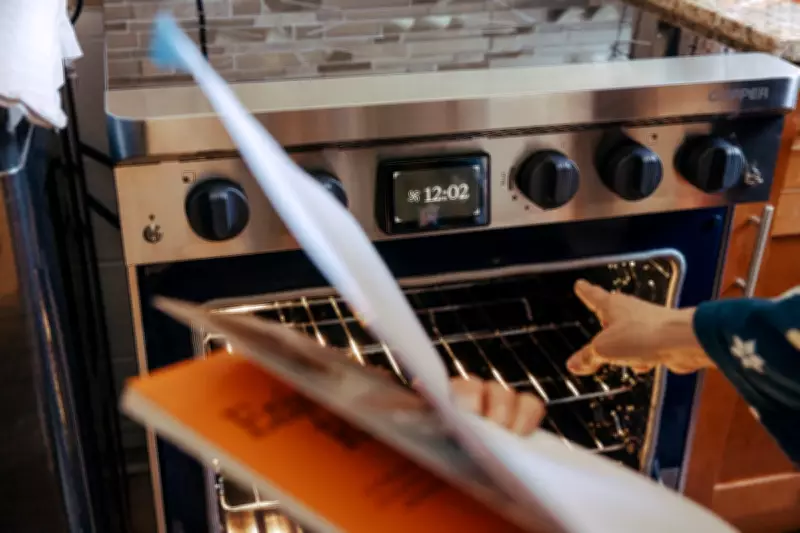
In March, residents of 15 co-op apartments in the Washington Heights neighborhood of Manhattan received new induction stoves through a collaborative scheme supported by state and city governments, along with non-profit organizations. For many, like health coach Marcos Ramos, this installation marks the end of a prolonged period relying on portable hot plates and microwaves due to a gas leak that disrupted supply for nearly four years.
"I'm excited to cook lasagne and a whole pasture-raised chicken—things I couldn't fit on a hot plate," Ramos shared, expressing relief and optimism. "It's logical to go electric to minimize risks from gas and fire, benefiting both the environment and our health."
Larger Initiatives and Health Impacts
This pilot serves as a precursor to a more extensive effort by Copper, the company supplying the stoves, which is launching a $32 million project to replace gas stoves in 10,000 apartments within the New York City Housing Authority (NYCHA) system. An initial trial in 100 apartments is slated for early next year.
Advocates highlight that residential energy use, including gas cooking, contributes to approximately one-fifth of U.S. greenhouse gas emissions. Additionally, nitrogen dioxide emissions from gas stoves can worsen respiratory and heart conditions, particularly in poorly ventilated spaces. A 2024 study led by UC Berkeley scientist Misbath Daouda found that switching to electric induction stoves reduces nitrogen dioxide exposure by more than half.
"Removing gas stoves dramatically cuts pollution, aligning with climate and health goals," Daouda noted. "Every participant in our study preferred induction stoves for their efficiency."
Overcoming Political and Industry Hurdles
Despite these benefits, only 3% of U.S. homes currently use induction stoves, partly due to resistance from the gas industry and some Republican politicians who have spread misinformation about potential bans. Federal subsidies for stove upgrades have been dismantled, slowing the transition.
However, states including New York, California, Hawaii, Georgia, and North Carolina are stepping in with rebate programs to encourage adoption. "The portrayal of electric stoves hasn't helped until now, but I think things are changing," Daouda remarked.
Economic and Cultural Considerations
In New York, where aging infrastructure poses challenges, induction stoves offer cost savings. For example, in the Washington Heights building, residents faced a $200,000 bill for gas pipe repairs, whereas the induction stove project cost around $90,000, as the stoves plug into existing power points.
Culturally, the shift requires adaptation, as gas has long been marketed as superior for cooking. Residents like Hilda Jimenez initially hesitated but now appreciate their new stoves. "I couldn't cook turkey here before, but now I can host Thanksgiving at home," she said.
Josh Land, co-founder of Copper and a former chef, emphasized that high-quality induction stoves can pave the way for broader electrification in homes. "Once people see electric stoves work well, they'll consider electric dryers and water heaters too," he explained.
As this clean energy push expands, it promises to enhance public health, reduce environmental impact, and offer financial relief, positioning induction stoves as a key component in America's sustainable future.



