
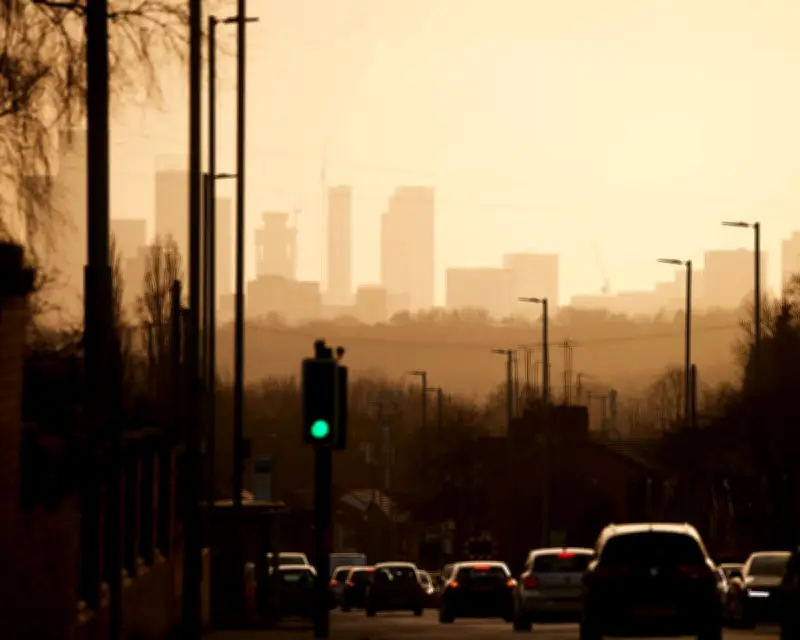
A pioneering study published this month has found a clear link between road noise and Parkinson's disease. The research, which followed more than 3 million Danish participants over 18 years, found that for every 11.5dB rise in noise level, the risk of the degenerative disorder rose by 3%. This adds to the growing body of evidence that auditory nuisance is associated with serious physical consequences.
Health impacts of noise pollution
The European Environment Agency reported last year that more than 110 million people across Europe suffer high levels of health-damaging noise pollution, with physiological stress and sleep disturbance leading to 66,000 early deaths annually, as well as heart disease, diabetes and depression. The harm caused is greater than from secondhand tobacco smoke exposure.
Yet a 2023 report from the UK parliamentary science and technology committee described noise as a neglected pollutant, poorly understood and regulated. In the US, the 1972 Noise Control Act pledged to promote an environment free from noise that jeopardizes health or welfare, but exposure to harmful noise levels remains widespread.
Unequal burden of noise
Noise is unequally felt. Many neurodivergent people are markedly more sensitive to unwanted noise. Research in the US in 2017 found that neighbourhoods with higher proportions of poorer and of black or minority ethnic residents were measurably louder. Wealthier people are also more able to soundproof their homes.
Road traffic noise is a major issue, but not the only one. Automated hand dryers and leaf blowers proliferate. Sparser decor has made cafes and restaurants louder environments. The mayor of London, Sir Sadiq Khan, recently said he is 'particularly sensitive to the misery' that tube noise causes residents, following complaints that the screech of metal wheels on tracks is not being adequately dealt with. However, he gave short shrift to campaigners seeking to challenge all new applications for pub and bar licences in central London, arguing: 'Complaining about nightlife when you *checks notes* choose to live in Soho is like living in South Kensington and complaining about the museums.'
Solutions and improvements
Noise is not an uncontrollable part of city life. China's official statistics and anecdotal reports suggest significant improvements there in the last decade. This is not just down to the rise of electric vehicles, declining construction and closures of loud venues. Authorities have also installed sound barriers and laid tens of millions of square metres of quieter road surfacing.
Improved engineering and even lower speed limits can pay dividends. Sound insulation for homes and reliance on noise-cancelling headphones should be a last resort. One subtle consequence of auditory pollution is not what it imposes on us, but what it takes away. Animals and even aquatic plants are acutely sensitive to loud noises and can be damaged by them. Traffic noise drowns out the rustling of trees. Those who learn to tune out what's around them no longer heed the birdsong.
Not all noise is unwelcome. But we should do more to address the sounds that bring misery, not least so that we can experience those that bring joy.



