
The Climate Clock is Ticking: Can Methane Cuts Pull Us Back?
For two consecutive years, global temperatures have surged beyond the critical 1.5C heating threshold established by the Paris climate agreement. António Guterres, the UN secretary general, has issued a stark warning that this overshoot will have devastating consequences for the planet. The scientific community's gravest concern is that continued heating could activate irreversible climate tipping points, such as the collapse of the Amazon rainforest or the complete melting of the Greenland ice sheet, pushing our climate system into an uncontrollable spiral.
The Methane Solution: A Fast-Acting Climate Fix
While the transition to clean energy progresses too slowly to avert immediate danger, many experts are pointing to a powerful, shorter-term strategy: tackling methane emissions. Durwood Zaelke, president of the Institute for Governance and Sustainable Development, asserts that cutting methane is the single most important strategy to slow near-term warming. He describes the effort as a 'sprint' compared to the 'marathon' of reducing carbon dioxide.
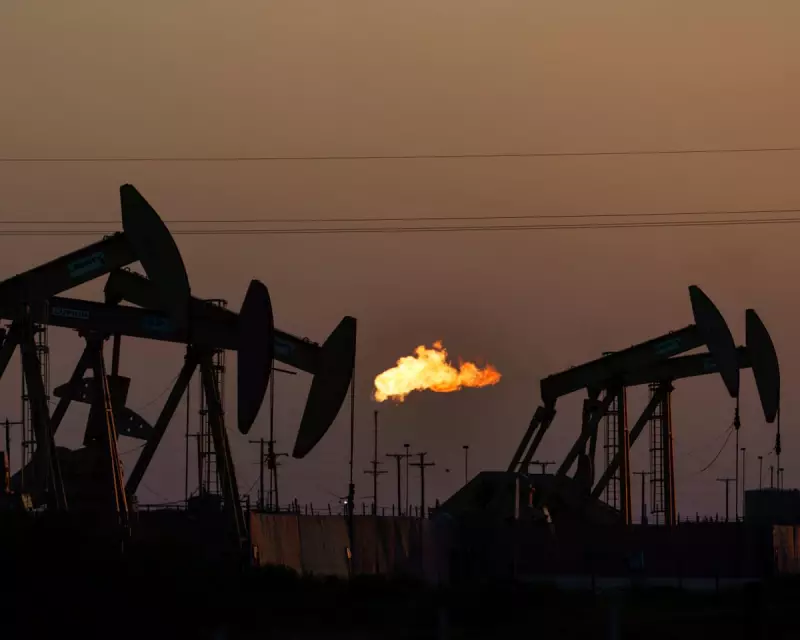
Methane, the primary component of natural gas, originates from both natural processes and human activities like leaky fossil fuel infrastructure, livestock, and decomposing organic matter. Although it breaks down in the atmosphere in about 20 years, it is approximately 80 times more effective at trapping heat than carbon dioxide over a 20-year period. Recent satellite data has exposed a troubling reality: many nations have been severely underreporting their methane output, and emissions are climbing sharply.
Economic and Environmental Benefits of Action
The potential impact of reducing methane is substantial. A 40% cut in methane emissions could lower global temperature rises by about 0.3C in the next decade, providing essential breathing space. A study published in the journal Science found that such action could delay key tipping points, reducing the risk of Amazon dieback by 8% and disruption to the Indian monsoon by 13%.
The economic argument is equally compelling. Paul Bledsoe, a former Clinton White House climate adviser, notes that two-thirds of the needed reductions in the energy sector could be achieved at zero net cost. The captured gas can often be sold. Professor Simon Dietz of the London School of Economics, who co-authored the study, stated that the benefits of global methane action are so large that the economic case is clear, with the study finding it pays for itself three times over, or six times when health benefits are included.
Despite over 150 countries committing to the global methane pledge at Cop26 to cut emissions by 30% by 2030, action is lagging. Major emitters like China, India, and Russia are not signatories, and the US under Donald Trump is unlikely to fulfil its commitments. However, there are positive developments. The EU has introduced stringent new rules requiring companies to reduce methane and imposing strict monitoring on imports, which could pressure suppliers like Russia to clean up their operations.
From fixing leaky oil and gas infrastructure to improving practices in agriculture and livestock, the solutions are available and often cost-effective. As the world looks towards the upcoming Cop30 climate talks in Brazil, the message from scientists and economists is unequivocal: aggressive action on methane is not just an option, but an indispensable strategy for pulling the planet back from the brink.



