
A Journalist's Stampede for a Presidential Soundbite
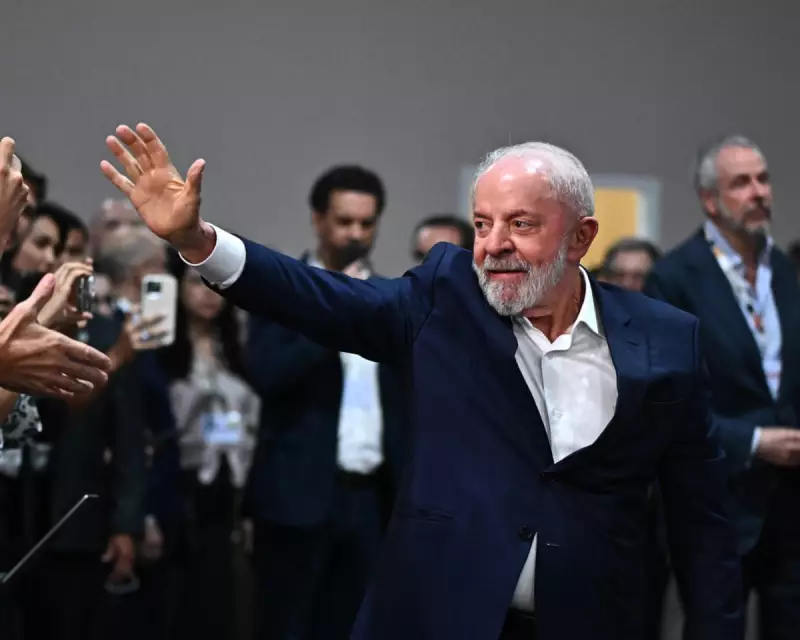
On Wednesday evening, a throng of journalists, including seasoned COP correspondent Fiona Harvey and this reporter, gathered in the stark, chilly corridors of the COP30 conference centre. We were waiting, somewhat aimlessly, outside a plenary room, fuelled by rumours that the Brazilian President, Luiz Inácio Lula da Silva, would soon emerge to speak.
The plan was nebulous. With hundreds of press members vying for position, getting near him was unlikely, and neither of us possessed the Portuguese required to interrogate him on the finer points of international climate policy. Then, chaos erupted. To our right, journalists suddenly broke away, first at a walk, then a jog, then a full-blown sprint, whooping as they charged down the vast grey tented corridors.
‘News stampede! Damien, run!’ Fiona shouted. I obeyed, joining the frantic charge, dodging swinging tripods and trampling the slow, driven by a primal pack instinct with no clear destination in mind.
Outside the VVIP Lounge: Confusion and Revelation
The mad dash culminated outside the conference centre's ‘VVIP Lounge’, where a new, jostling crowd formed. I muscled my way to the front, where harried UN guards battled to maintain order. As I stood firm, staring at a closed, whitewashed door, a slow realisation dawned: I had absolutely no idea what was happening.
This moment perfectly encapsulated my first in-person experience of the UN climate talks. While I've covered proceedings from London for years, the reality in Belém is profoundly bewildering. The summit is a labyrinth of multiple negotiation tracks, dense acronyms, draft texts, and thousands of delegates with vague but vital roles in determining the planet's future.
Veteran attendees confirmed that this COP is notably more complex than recent editions. Typically, by this late stage, talks would have coalesced around a single defining issue. Brazil had hoped to gavel through a package of measures by Wednesday night, but that deadline passed without a text, with a new one promised for Thursday.
Lula's Optimistic Vision Amidst Deep-Rooted Rifts
When President Lula finally appeared, he addressed reporters directly. He clarified that the proposed roadmap to end oil use does not involve ‘imposing anything on anyone’ or ‘determining deadlines for countries to stop burning fossil fuels.’ He emphasised the need to reduce greenhouse gas emissions and begin constructing a future without fossil fuels.
‘I am so happy that I leave here certain that my negotiators will have the best result a Cop could have ever offered to the Planet Earth,’ Lula stated, radiating optimism. He believes a strong deal is achievable through consensus, respecting each nation's sovereignty. ‘We don’t want to impose anything, we just want to say it’s possible.’
However, his hopeful words mask significant unresolved divisions. Major rifts persist on critical issues, including climate finance, unilateral trade measures, and the central question of whether a formal roadmap to transition away from fossil fuels will be agreed upon.
This means there is plenty of bewildering work ahead for negotiators and many more late nights in the media centre. As my colleague Fiona wisely reminds me, a truth every climate journalist must heed: ‘Cop is a marathon, not a sprint.’



