
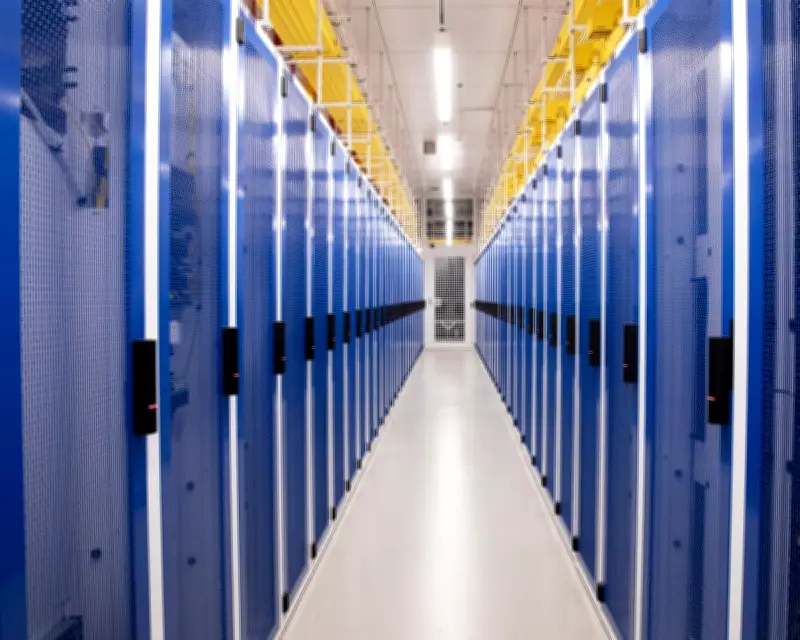
The federal Labor government says it will proceed with plans to impose energy and water usage rules on datacentres, despite opposition from Queensland and the Northern Territory. The move comes as a rating agency warns that electricity bills could skyrocket due to surging power demand from artificial intelligence infrastructure.
Federal-state dispute over renewable mandate
Queensland and the NT have rejected the Albanese government's push to mandate that AI datacentres use renewable power, labelling the proposals as “underdeveloped ideas that hand increased power to Canberra.” The latest stoush emerged at a meeting of state and federal energy ministers on Tuesday, where the commonwealth sought backing for nationally consistent regulations.
According to a communique, all states except Queensland and the NT supported the plan, which includes requirements for datacentres to underwrite new renewable energy generation, offset their power use, and ensure consumers face no price impacts.
S&P warns of five-fold power demand increase
S&P Global, the economic rating agency, released a report warning that datacentre energy consumption could rise five-fold by 2035, reaching 10% of Australia's total electricity use. The agency cited Australian Energy Market Operator (Aemo) estimates that datacentre energy use could hit 20 terawatt hours by 2034-35.
S&P also noted Sydney Water's projections that datacentres could consume 15% to 20% of the city's water by 2035. The rating agency highlighted an “infrastructure and temporal mismatch” between datacentre delivery timelines (18-24 months) and renewable or transmission projects (three to five years), warning that delays could tighten supply and increase costs.
Government pushes ahead despite opposition
Federal government sources said Queensland and the NT's opposition would not derail the prime minister's roadmap. Anthony Albanese has pledged to legislate binding standards for AI companies, including on locations and energy use. New datacentres would face a “legal obligation” to underwrite new power supply, pay for grid connection costs, and “put at least as much energy into our grid as they take out of it.”
Federal energy minister Chris Bowen is scheduled to address the National Press Club next week, expected to reveal more details ahead of a national cabinet meeting in August and another energy ministers' summit in September. The government is also exploring whether it can set price protections to shield Australians from energy bill spikes linked to the datacentre boom.
Queensland and NT push back
Queensland treasurer and energy minister David Janetzki said the state would not support “underdeveloped ideas that hand increased power to Canberra at the expense of Queenslanders.” He emphasised the state's commitment to affordable, reliable, and sustainable energy. The NT minister Gerard Maley was contacted for comment but did not respond.
Public concerns over datacentre impacts
A Guardian Essential poll found that less than a third of Australians would be happy to have a datacentre in their area. 61% of respondents raised concerns about impact on energy demand and power prices, 44% worried about water supply, and 41% expressed concerns about environmental impacts and noise.
S&P estimated that if renewable and storage infrastructure fails to keep pace, wholesale electricity prices could rise by 25% across states, with emissions increasing by 14%, according to the government's Clean Energy Finance Corp.



