
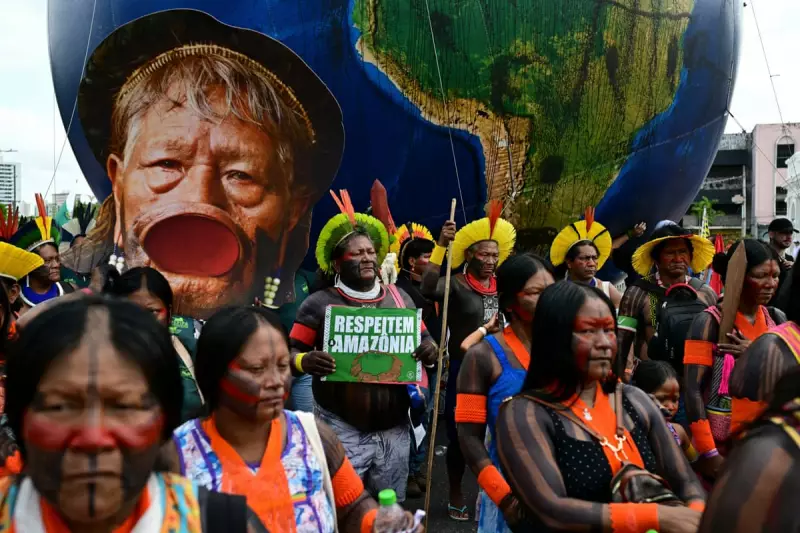
In a landmark moment for Indigenous representation at global climate talks, Brazilian journalist and activist Juma Xipaya will attend the COP30 summit in Belém, Brazil, bringing the urgent concerns of Amazon communities to the world stage.
The 30th UN Climate Change Conference of the Parties (COP30) is scheduled for November 2025 in Belém, a city at the mouth of the Amazon River. This location holds profound significance, placing the world's largest rainforest at the centre of international climate discussions.
From Amazon Frontlines to Global Climate Stage
Juma Xipaya is not merely an attendee but a representative of her people and a professional journalist who has consistently reported on environmental destruction. Her work has documented the escalating threats facing the Amazon, from illegal deforestation to mining operations encroaching on Indigenous territories.
Her participation signals a critical shift towards including those most affected by climate change in the conversations that decide their future. Indigenous communities like the Xipaya have long served as guardians of forest ecosystems, maintaining biodiversity and storing vast amounts of carbon that, if released, would accelerate global warming.
The Significance of Location and Representation
Holding COP30 in Belém, the first Amazonian city to host such an event, creates an unprecedented opportunity. Delegates will be meeting at the gateway to the rainforest they are debating how to protect.
For Juma Xipaya, this proximity is vital. It allows her to speak with the authority of lived experience, highlighting the direct connection between international policies and their local consequences. Her presence challenges the often abstract nature of climate negotiations, grounding them in the reality of communities facing existential threats.
The conference comes amid increasing violence against environmental defenders in Brazil. Indigenous activists and journalists working to protect the rainforest often operate under threat, making Xipaya's visibility on an international platform both courageous and politically significant.
A Voice for Climate Justice and Accountability
Xipaya's attendance is expected to focus world attention on several key issues. These include the vital role of Indigenous knowledge in crafting effective climate solutions and the need for wealthy nations to honour their financial commitments to forest conservation.
Her dual role as both a journalist and community representative allows her to communicate the stakes of COP30 to multiple audiences. She can report on the proceedings for Brazilian media while simultaneously advocating for her people within the negotiation spaces.
This sets a powerful precedent for future climate summits, suggesting that those from frontline communities should not just be consulted but should have a seat at the decision-making table. As the world struggles to meet its climate targets, the inclusion of voices like Juma Xipaya's may prove essential to finding just and effective pathways forward.



