
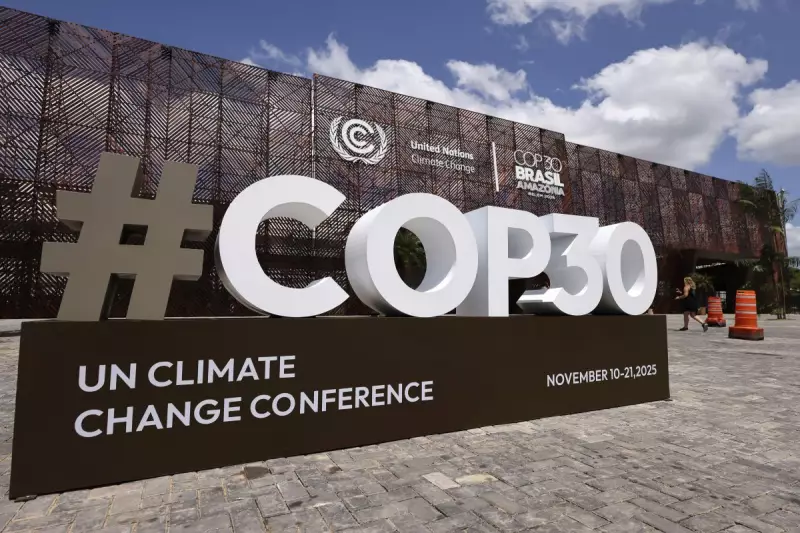
Gates Calls for Human-Centred Approach at COP30
As the United Nations climate summit COP30 continues in the humid jungle city of Belém, Brazil, Microsoft co-founder and philanthropist Bill Gates has delivered a blunt message that cuts through the usual rhetoric. He insists these gatherings must prioritise lifting human lives rather than obsessing solely over emissions reductions or temperature targets.
This perspective, while long overdue, strikes many as remarkably obvious. For billions in developing nations, immediate struggles against poverty and disease far outweigh distant climate goals.
The Real Cost of Climate Spending
Bjorn Lomborg's think tank, Copenhagen Consensus, has consistently argued that policymakers must ask: what is the smartest way to do the most good with limited resources? The numbers reveal stark priorities.
Every year, more than 7.5 million people in poorer countries die from preventable or treatable illnesses. Meanwhile, smart investments in health, nutrition and education could save over 4 million lives annually while building future growth and resilience.
As Gates emphasises, "the biggest problems are poverty and disease, just as they always have been." Most parents worry more about their children surviving malaria or receiving decent education than achieving a 0.1°C temperature reduction in a century.
Global Shift Towards Pragmatism
Gates's common-sense message arrives amid a significant global rethink. After years where climate conformism dominated, pragmatism is making a comeback.
Democratic Senator Chris Coons of Delaware recently declared climate is "not a top three issue right now." Canada's Liberal prime minister, who once warned fossil fuel reserves might become "unburnable," now fast-tracks LNG terminal construction and promises to transform Canada into an energy superpower.
Even green-leaning British and German governments now discuss injecting economic reality into climate policy.
The data supports this shift. Climate economics shows unaddressed climate change might reduce global GDP by 2-3% by 2100 – meaning we'd be 435% richer instead of 450%. Climate matters, but it's not the apocalyptic threat eclipsing all others.
Yet climate spending continues at astonishing levels. The world's multilateral development banks devoted $137 billion to climate financing in 2024 alone – money that won't combat disease or hunger. Globally, we've spent over $14 trillion on climate policies, with last year's cost exceeding $2 trillion.
As Lomborg concludes, green campaigners insisting emissions cuts must come first for the poor misunderstand reality. What developing nations truly need are jobs, food, medicine and escape from poverty. The path forward lies in directing limited funds toward ending today's preventable deaths and fuelling growth – making societies stronger against future warming too.



