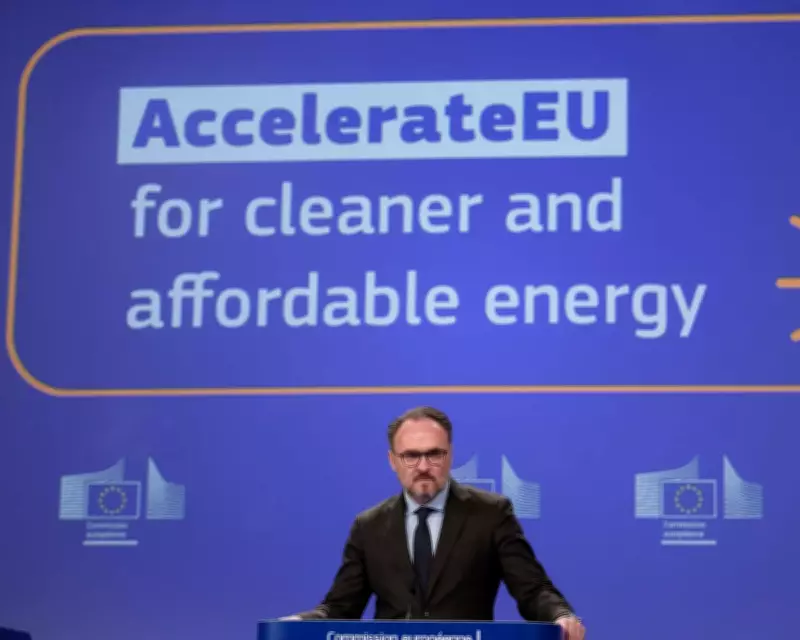
The European Commission has unveiled a comprehensive strategy to mitigate the energy crisis exacerbated by the Iran war, focusing on tax reductions and incentives to accelerate the transition to a clean economy. EU Commissioner Dan Jørgensen announced the measures in Brussels on Wednesday, emphasizing the need to shield households and businesses from soaring energy prices while promoting sustainable alternatives.
Targeted Support and Tax Adjustments
Under the new plan, the EU will relax state aid rules, allowing member countries to provide "targeted and temporary" support directly to consumers and industries. This includes cutting electricity taxes to make them lower than those on oil and gas, a move designed to reduce bills and encourage the adoption of cleaner technologies. The commission stressed that any assistance must be timely and focused, avoiding broad subsidies that could prolong reliance on fossil fuels.
However, the commission stopped short of implementing more aggressive measures, such as a windfall tax on oil and gas companies or a cap on gas prices, which some EU finance ministers and energy experts had advocated. Instead, the focus is on incentivizing electrification and reducing the price disparity between electricity and fossil fuels, which experts identify as a critical factor in driving cleaner technology adoption.
Electrification and Renewable Energy Push
Commissioner Jørgensen highlighted the economic benefits of investing in clean energy, stating, "By investing in clean energy and electrification, we unlock more money for our economy. In the future, instead of buying something and burning it to get energy and buying it again, we need to produce our own homegrown clean energy." The EU plans to set an electrification target before the summer and propose actions to lower the price ratio between electricity and fossil fuels, including phasing out fossil fuel subsidies.
Despite progress in deploying wind turbines and solar panels since the 2022 energy crisis, the EU has made limited headway in replacing oil and gas-burning machines. This lingering dependence on foreign fuels has left the bloc vulnerable to price spikes due to the Iran war, with analysts warning that risks may persist even if the conflict ends quickly.
Implementation Challenges and Criticisms
Proposals to overhaul the EU's fragmented tax systems require unanimous approval from member states, a hurdle that has historically stalled similar initiatives. Green groups have criticized the plans as "half measures," arguing that they lack robust instruments to address revenue and financing gaps. Antony Froggatt of Transport and Environment noted, "These go in the right direction but fail to create the right EU instruments both on the revenue and financing sides. As oil companies make tens of billions in war profits, windfall taxes that relieve the financial pain for European households are critical."
Louise Sunderland from the Regulatory Assistance Project added that while reducing network and tax elements of electricity bills—which account for over 50% of household costs on average—is a positive step, effectiveness depends on implementation. Many governments have yet to utilize existing abilities to lower electricity taxation.
Additional Measures and Future Steps
The commission will adopt a legal proposal in May to incentivize cost-effective use of electricity grid infrastructure and flexible consumption habits. It will also grant member states greater freedom to cut charges and taxes for vulnerable groups and energy-intensive industries. Other initiatives include coordinating gas storage filling before winter, monitoring transport fuels to prevent shortages, and promoting social leasing schemes for electric cars, heat pumps, and small-scale batteries.
Jørgensen reiterated the importance of temporary and targeted measures, stating, "Since our long-term goal is to transition away from fossils, anything we do that might—directly or indirectly—subsidise fossils needs to be temporary and needs to be very targeted." While the main package omitted radical fuel-saving measures like driving less and avoiding flights—supported by climate activists—these appeared in an annexe of good practices for national governments.
The commission encourages member states to implement demand-reduction strategies as they see fit, emphasizing flexibility in addressing the ongoing crisis. This approach aims to balance immediate relief with long-term sustainability goals, navigating the complexities of EU governance and market dynamics.