
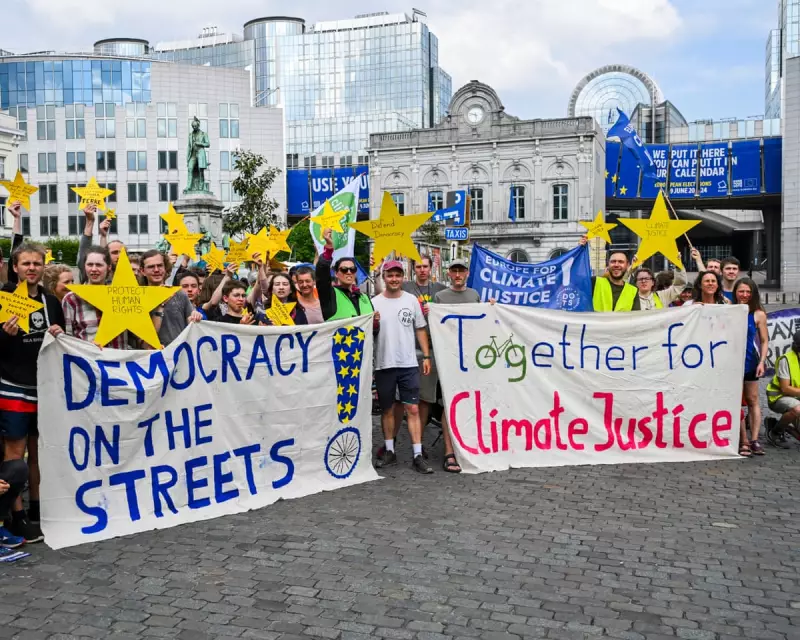
The European Union has unexpectedly emerged as the world's foremost champion of climate action, standing firm against a rising tide of political opposition to environmental policies. While other global powers waver in their commitment to tackling climate change, Brussels has doubled down on its ambitious green agenda.
The Unlikely Climate Champion
In a remarkable political shift, the European Union has transformed from a bureaucratic slow-mover to the planet's most determined climate advocate. The bloc's steadfast commitment comes at a crucial moment when climate scepticism and anti-green rhetoric are gaining traction across the political spectrum.
The European Green Deal represents the most comprehensive environmental programme ever attempted by a major economic power. This sweeping initiative aims to make Europe the first climate-neutral continent by 2050, fundamentally reshaping everything from energy production to transportation systems.
Navigating the Green Backlash
Despite its ambitious goals, the EU faces significant headwinds from what commentators have termed 'green bashing' - the growing political movement that portrays environmental measures as economically damaging and socially disruptive. Critics argue that climate policies increase living costs and burden businesses during challenging economic times.
Farmers' protests across several member states have highlighted the practical difficulties of implementing rapid environmental reforms. Meanwhile, right-wing parties in various European countries have capitalised on public anxiety about the pace of green transition, framing it as an elite project that ordinary citizens cannot afford.
The European Parliament elections in June 2024 demonstrated the potency of this backlash, with green parties suffering significant losses while conservative and far-right groups made substantial gains by campaigning against what they described as overly ambitious climate regulations.
Strategic Resilience in Climate Diplomacy
Rather than retreating in the face of political pressure, EU institutions have adopted a more strategic approach to climate leadership. Officials have learned to frame environmental action in terms of economic opportunity, energy security, and technological innovation rather than purely as a moral imperative.
The bloc's diplomatic corps has worked tirelessly to maintain international climate partnerships, particularly with developing nations that bear the brunt of climate impacts despite contributing least to the problem. European climate diplomats have become essential brokers in global negotiations, often bridging the gap between developed and developing countries.
European Commission President Ursula von der Leyen has personally championed the climate agenda, arguing that environmental leadership represents Europe's best chance to shape global standards and ensure its economic competitiveness in the emerging green economy.
The EU's position has become particularly crucial as other major emitters, including the United States and China, show signs of wavering in their climate commitments due to domestic political pressures and economic concerns.
The Road Ahead for European Climate Action
Looking forward, the European Union faces the delicate task of maintaining its climate ambition while addressing legitimate concerns about implementation costs and social impacts. The success or failure of this balancing act will have profound implications for global climate efforts.
Key challenges include ensuring that the green transition benefits all citizens, not just the wealthy, and preventing the emergence of new energy poverty as fossil fuels are phased out. The bloc must also navigate complex geopolitical considerations, particularly regarding energy imports and strategic dependencies.
The upcoming international climate negotiations will test whether the EU can translate its regional leadership into global influence. Much depends on Brussels' ability to build alliances with other nations and demonstrate that climate action can deliver both environmental protection and economic prosperity.
As the world watches, the European experiment in comprehensive climate governance may well determine whether humanity can successfully address the defining challenge of our time or whether short-term political pressures will derail essential environmental protections.



