
England football star Beth Mead has revealed how climate change is already transforming the beautiful game, sharing her personal experience of playing through extreme heat during this summer's European Championship victory.
The Scorching Reality of Modern Football
The Arsenal forward described stepping onto the pitch in Switzerland for the Euro 2025 tournament as an eye-opening experience. "The air felt heavy – not with pressure or expectation, but with heat," Mead recalled. "It was more than 30C that day. It makes your lungs sting, makes you feel like you're running through water."
Despite extensive preparations including ice vests, hydration breaks, modified warm-ups and cryotherapy treatments, Mead emphasised that "no protocol could change the fact that the climate itself has changed." The extreme conditions fundamentally altered the game's dynamics, slowing tempo and extending recovery times between plays.
Beyond the Professional Game
Mead's concerns extend far beyond elite tournaments. She highlighted how climate impacts are already affecting football at all levels, with matches being cancelled due to heatwaves and training sessions increasingly moved to dawn or dusk to avoid dangerous temperatures.
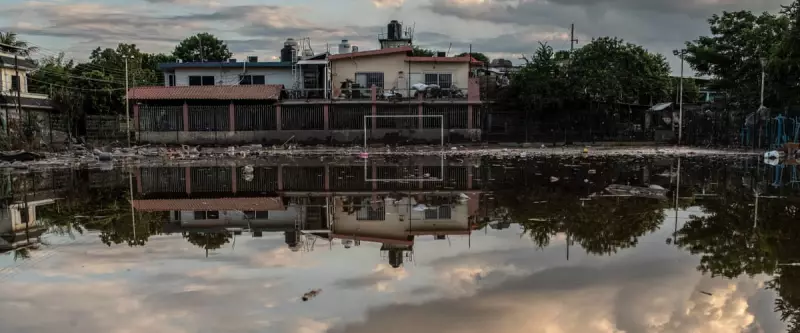
"Air-quality alerts are becoming part of match preparation," she noted, pointing to the broader environmental challenges facing the sport. The very accessibility that makes football the world's game is under threat as extreme heat makes outdoor play dangerous and floods destroy pitches.
Joining the Global Fight
The England international has now joined Adapt2Win, a new global campaign backed by more than 40 athletes worldwide. The initiative calls on world leaders to invest in climate adaptation measures, arguing that less than 10% of global climate finance currently goes toward helping communities prepare for climate impacts.
"When droughts, floods or extreme heat hit, we are all impacted, but it's the most vulnerable communities that pay the price," Mead stated. "Farmers lose crops. Kids miss school. Families lose homes."
Mead directly addressed critics who worry that adaptation efforts might distract from emission reduction targets. "That's a false choice," she argued. "We have to do both. Investing in adaptation isn't a distraction from tackling the causes of climate change – it's how we protect people while we do it."
With world leaders currently meeting at Cop30 in Brazil, Mead expressed hope that this could be the moment to "turn the game around" on climate action. She emphasised that adaptation represents practical strategy rather than compromise, drawing parallels with athletic resilience training.
"If we can learn anything from sport, it's that when the odds are stacked against you, there's only one way to win: you adapt," Mead concluded. "Now it's time for the world to do the same."



