
The UK government has officially declared a drought across England, following months of exceptionally low rainfall and a prolonged heatwave that has pushed water supplies to critical levels. The announcement, made by the Environment Agency on Monday, triggers a range of measures aimed at conserving water and protecting essential supplies.
What the drought declaration means
The drought status, confirmed by the National Drought Group, applies to all regions of England, including the South East, South West, and parts of the Midlands. This is the first nationwide drought declaration since 2018, and it comes as temperatures have soared above 35°C in some areas, breaking records for the time of year.
Under the drought plan, water companies are now empowered to impose temporary bans on non-essential uses, such as watering gardens, washing cars, and filling swimming pools. Households are being urged to reduce consumption, and businesses that rely heavily on water are being asked to review their usage.
Impact on water supplies and agriculture
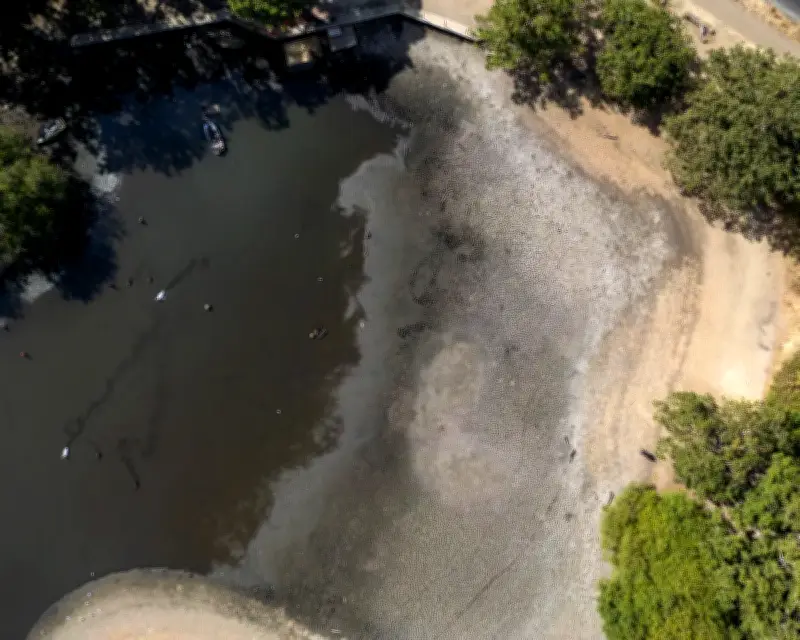
The Environment Agency has reported that river flows are at their lowest levels in over two decades, with some rivers, such as the Thames and the Ouse, experiencing 'exceptionally low' flows. Reservoirs across the country are, on average, only 60% full, compared to the usual 80% for this time of year.
Farmers are among the hardest hit, with crop yields already reduced by up to 30% in some areas, according to the National Farmers' Union. 'This is a crisis for agriculture. We are seeing crops wither in the fields, and livestock are suffering from heat stress,' said NFU President Minette Batters. She called for government support to help farmers adapt to the changing climate.
Public health and wildfire risk
Health officials have issued heat-health alerts, warning of increased risk for vulnerable populations, including the elderly and those with pre-existing conditions. The UK Health Security Agency (UKHSA) has advised people to stay indoors during peak hours, stay hydrated, and check on neighbours.
The dry conditions have also raised the risk of wildfires, with fire services reporting a surge in incidents. In recent weeks, wildfires have broken out in moorland areas of Yorkshire and Surrey, destroying hectares of land. Fire chiefs are urging the public to avoid open fires and to properly dispose of cigarettes.
Government response and future outlook
Environment Secretary George Eustice said the drought declaration was a 'precautionary step' to ensure water companies and individuals take action to protect essential supplies. He added that the government is working with water companies to invest in infrastructure, such as leak reduction and new reservoirs, to build resilience against future dry spells.
However, critics argue that more needs to be done to address the root causes of water scarcity, including reducing leakage from aging pipes, which currently lose an estimated 3 billion litres of water every day. The Liberal Democrats have called for a national water-saving campaign and stricter regulations on water-intensive industries.
Meteorologists are forecasting little relief in the coming weeks, with a high-pressure system expected to keep conditions dry and hot. The Met Office has said that the current heatwave could persist into September, raising concerns about the long-term impact on the environment and public health.
What residents should do
Residents are encouraged to take simple steps to reduce water use, such as taking shorter showers, fixing leaks, and reusing grey water for plants. Water companies are also offering free water-saving devices, such as shower timers and displacement bags for toilet cisterns.
The drought is a stark reminder of the impacts of climate change, with experts predicting that such events will become more frequent and severe. The government's advisory body, the Climate Change Committee, has urged faster action to cut greenhouse gas emissions and adapt to a warmer world.



