
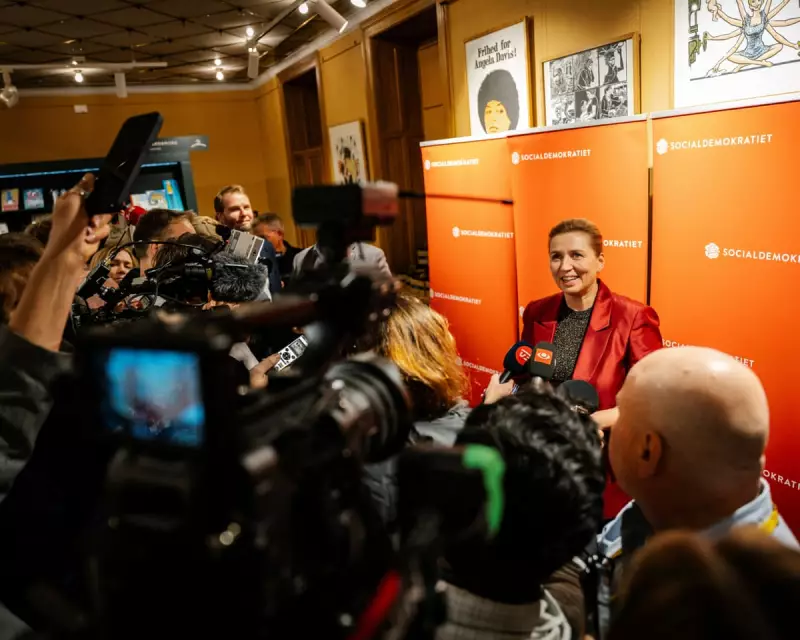
While European governments increasingly retreat from environmental commitments, Denmark has boldly stepped forward with one of the world's most ambitious climate targets. The Nordic nation has committed to slashing planet-heating pollution by at least 82% by 2035 from 1990 levels, setting a new benchmark for climate action.
A Lone Voice in European Climate Leadership
The Danish announcement, made on Monday, received surprisingly little international attention despite its groundbreaking nature. The target narrowly surpasses the UK's 81% goal for the same year and dramatically outpaces the European Union's comparatively modest aim of 66.3% to 72.5%.
This commitment comes from a country already renowned for its environmental credentials, where wind power dominates energy production and cycling represents a fundamental part of daily life. The timing is particularly significant given that Denmark's ruling Social Democrats faced electoral challenges just one day after the climate announcement.
The European Context: Green Policies Under Fire
Denmark's bold stance stands in stark contrast to the broader European landscape, where governments have been systematically attacking environmental regulations with growing intensity over the past two years. Many nations have rolled back existing climate policies while simultaneously watering down new proposals - all while maintaining public commitment to long-term climate targets.
The European Union itself has been actively dismantling elements of its celebrated Green Deal under the guise of improving competitiveness. This retreat from environmental leadership has begun to undermine the EU's credibility in international climate negotiations, particularly as European countries gather for the Cop30 climate summit in Brazil.
The erosion of Europe's climate ambition reached a critical point last week when the European Parliament voted to weaken legislation designed to prevent deforestation in supply chains and restrict the scope of green business regulations.
Political Realignments Threaten Climate Progress
Perhaps most alarmingly, the vote saw the centre-right European People's Party aligning with far-right groups - a breakdown of traditional political firewalls that has sent shockwaves through European politics. This collaboration marks a significant shift in EU governance and threatens to unravel years of environmental progress.
Alberto Alemanno, a law professor and founder of the Good Lobby, described the development as not only dismantling the Green Deal but redefining the political majority that will govern Europe until 2029. The organisation has launched a tracker specifically to monitor these concerning collaborations between centre-right and far-right parties.
Despite these setbacks, the EU did manage to approve a new climate target aiming for a 90% reduction in greenhouse gas emissions by 2040. However, this commitment includes controversial provisions allowing 5% of these cuts to come from international carbon credits - mechanisms that environmental experts have frequently criticised as ineffective.
As Denmark forges ahead with its world-leading climate agenda, the rest of Europe faces a critical choice: follow this ambitious example or continue down a path of environmental retreat that could have devastating consequences for global climate efforts.



