
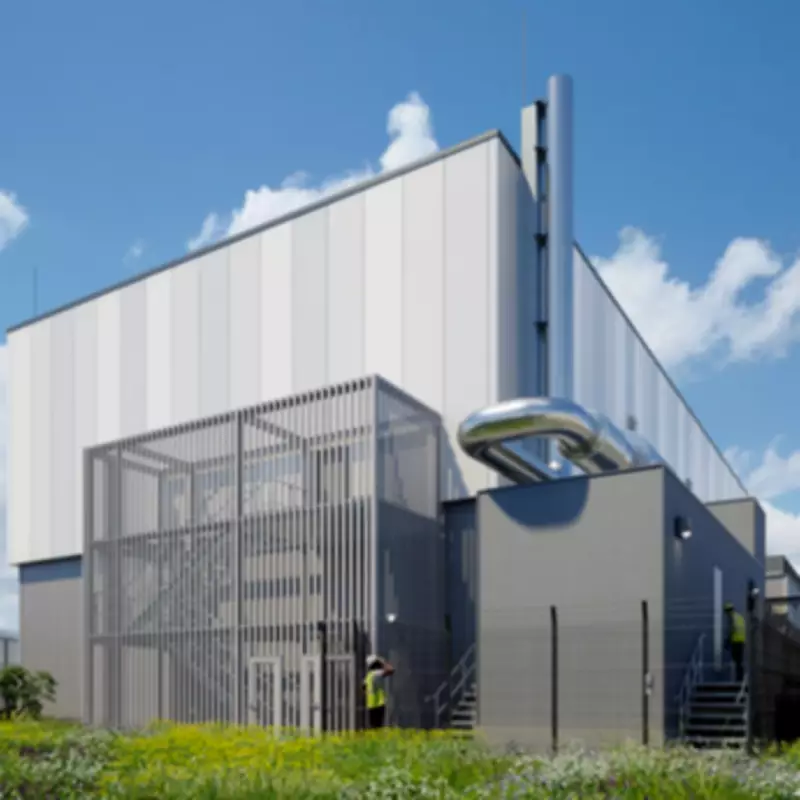
London's Data Centre Expansion Poses Major Climate Threat
City Hall officials have confirmed that the upcoming London Plan will include a dedicated policy addressing the construction of new data centres, following mounting concerns about their substantial environmental footprint. With between 50 and 60 data centres currently in the planning pipeline for London, environmental experts warn this expansion could have devastating consequences for the capital's climate goals.
The Staggering Environmental Cost
Current estimates suggest that every 10 new data centres built in London could generate approximately 2.7 million tonnes of carbon emissions. With 50-60 facilities planned, this translates to a potential addition of over 16 million tonnes of CO2 to London's carbon footprint. Beyond energy consumption, these facilities also place significant strain on water resources, creating a dual environmental challenge for the capital.
Megan Life, Assistant Director for Environment and Energy at the Greater London Authority, acknowledged the difficult balancing act facing policymakers. "We're thinking about how we use the policy tool to keep hold of the kind of economic growth benefits that data centres offer whilst trying to mitigate some of what we recognise are some quite challenging things associated with how resource intensive they are," she told the London Assembly Environment Committee.
Global Problem, Local Solutions
Deputy Mayor for the Environment Mete Coban emphasized that data centres present both "big benefits" and "massive challenges" for London, particularly regarding energy and water consumption levels. He noted that this is not merely a London-specific issue but a global concern, citing Melbourne and Phoenix as cities facing similar challenges.
"It's not just a London problem, it's going to be a global problem," Coban stated. "And it's about making sure that our environment doesn't suffer in the hands of a few global corporations who will take and not give back. And so we want to make sure we do this in an equitable way."
Learning from International Examples
While specific details of London's proposed policy remain undisclosed, international examples provide potential models. Australia, which operates approximately 260 data centres primarily in Sydney and Melbourne, is developing its own regulatory framework. Australian Energy Minister Chris Bowen has suggested requiring data centre developers to build renewable energy sources alongside their facilities.
Melbourne's Mayor Nick Reece, whom Coban has consulted on the issue, has advocated for mandatory sustainability standards and transparent monitoring requirements to control power usage. These international approaches may inform London's developing policy framework.
Broader Implications for London
The data centre expansion has already demonstrated tangible impacts on London's development landscape. The London Assembly Planning and Regeneration Committee recently highlighted how several housing projects in West London have been stalled because data centres consumed all available electrical grid capacity.
Mayor Sadiq Khan confirmed last year that he commissioned a study to forecast data centre growth in London, acknowledging both their economic importance and the pressure they place on industrial land, electricity, and water supplies. The London Assembly Environment Committee heard last month that data centre construction is actively "undermining" the Mayor's climate objectives, adding urgency to the policy development process.
As London grapples with this complex challenge, the forthcoming data centre policy in the London Plan represents a critical attempt to balance technological advancement with environmental responsibility in one of the world's leading global cities.



