
Cop31 Hosting Impasse Frustrates Climate Negotiators
A diplomatic standoff over who will host the crucial 2026 United Nations climate summit, known as Cop31, is causing significant frustration among delegates at the current Cop30 conference in Belém, Brazil. For over three years, Australia and Turkey have been competing for the right to host the November 2026 event, and neither shows signs of backing down.
The tension was subtly highlighted at the Brazilian conference, where the pavilions for the two rival nations were placed directly beside each other. While some interpreted this as a pointed message from the hosts to resolve the issue, officials suggested the placement was more logistical, ensuring both potential future hosts remained near the UN climate office for communication ease.
Pacific Bid Versus Mediterranean Ambition
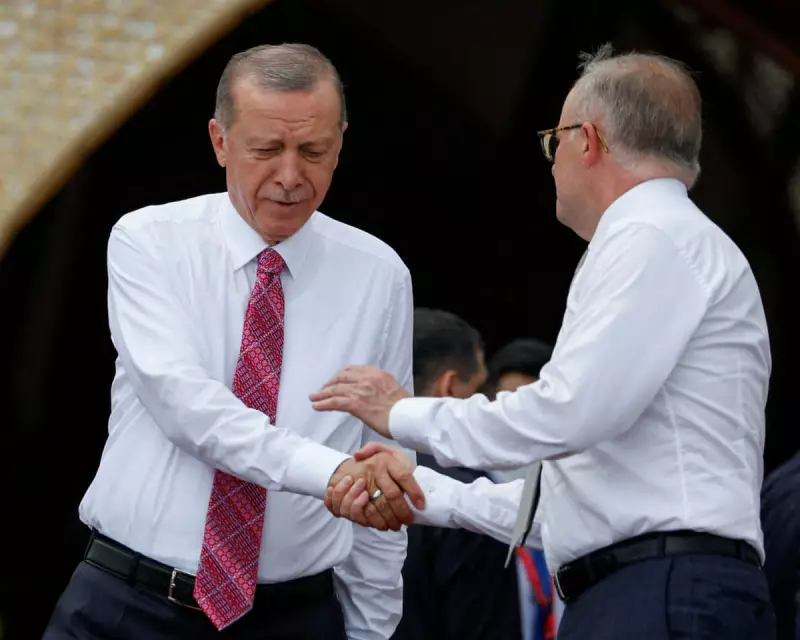
Australian Prime Minister Anthony Albanese confirmed the deadlock, revealing he received a letter from Turkish President Recep Tayyip Erdoğan within the last 24 hours. The letter stated Turkey was "maintaining his position" that the summit should be held in the Mediterranean resort city of Antalya. This was in direct response to Australia's continued push for a "Pacific Cop" to be co-hosted in Adelaide with Pacific island nations.
Albanese emphasised the urgency of the Pacific bid, stating, "There have been Cops held in Azerbaijan, in the UAE, and in Egypt... but never one in this part of the world, where Pacific countries like Tuvalu and Kiribati are literally under threat for their very existence." He has since reiterated his support for the Adelaide plan in conversations with the leaders of Palau and Papua New Guinea.
Meanwhile, Turkey has intensified its own campaign. Turkish Vice-President Cevdet Yılmaz, speaking at the Cop30 leaders' summit, positioned his country as "ready to assume a bridging role between the north and the south in the fight against climate change."
UN Rules and an Unwilling Default Host
The core of the problem lies in the UN's complex decision-making process. The hosting rights for Cop31 fall to the Western Europe and Others Group (Weog), which includes both Australia and Turkey. While the vast majority of the 28 Weog nations support the Australia-Pacific bid, the decision must be unanimous.
Palau President Surangel Whipps Jr., who attended the leaders' summit, told The Guardian that the Pacific bid clearly had the most support. He revealed that Pacific leaders had written to President Erdoğan on the issue but received "no real response." He appealed for Turkey to step aside as a "significant act of good faith."
If no consensus is reached by the end of Cop30, an unprecedented default option is triggered: Germany would be obliged to host. However, the German government is strongly resisting this outcome. Jochen Flasbarth, Germany’s state secretary for the environment, acknowledged the possibility but stated, "we do not want to." He urged Australia and Turkey to agree to prevent this "technical solution" from coming into play.
Diplomatic sources confirm that Germany, as the Weog chair, has asked the British delegation to help broker a solution. The Brazilian hosts have also committed to mediating negotiations, concerned that the ongoing dispute could distract from the critical agenda of an already challenging conference.
A Sleepless Final Scramble for a Solution
Significant progress is not expected until the respective climate ministers for Australia and Turkey, Chris Bowen and Murat Kurum, arrive in Belém for the conference's final, traditionally sleepless stages. Both countries have reportedly proposed compromises in recent weeks.
Turkey has suggested a shared Cop presidency between the two nations, while Australia has proposed that Turkey could host other meetings linked to Cop31. So far, neither compromise has been sufficient to break the impasse.
The frustration is palpable, especially when contrasted with the smooth endorsement of Ethiopia's bid to host Cop32 in 2027 by the African Group of Negotiators, despite a rival bid from Nigeria. For now, the world watches and waits to see which nation—or if the reluctant Germany—will ultimately welcome global leaders for the critical 2026 climate talks.



