
A high-stakes diplomatic standoff over who will host next year's crucial Cop31 climate summit is reaching its climax, with United Nations officials growing increasingly desperate for a resolution. The deadlocked race between Turkey and Australia has put the German city of Bonn – the unofficial second capital of Germany – on standby to potentially host the major international event against its will.
A Diplomatic Stalemate with Global Consequences
With a population smaller than Canberra, Bonn could find itself on the hook for the 2024 climate summit if the two competing nations cannot break their impasse. The message from the UN Climate Change Secretariat, however, is unequivocal: Bonn is not interested. A final decision is due by the end of this week, as the current Cop30 summit concludes in Belém, Brazil.
The core of the issue lies in the requirement for a consensus decision. With both Turkey and Australia remaining in the race, neither can win outright. This has created a perfect stalemate, leaving the international community in limbo and putting immense pressure on the negotiating parties.
Mixed Messages from the Australian Government
Speculation is rife over Australia's continued commitment to winning the conference for Adelaide, a bid it has pursued for months in collaboration with Pacific Island nations. The internal politics are complex; more than a few figures within Prime Minister Anthony Albanese's cabinet would reportedly be relieved if Australia fell short, thereby avoiding a $1bn-plus event in the middle of a parliamentary term that would inevitably spotlight the difficult politics of carbon emissions reduction.
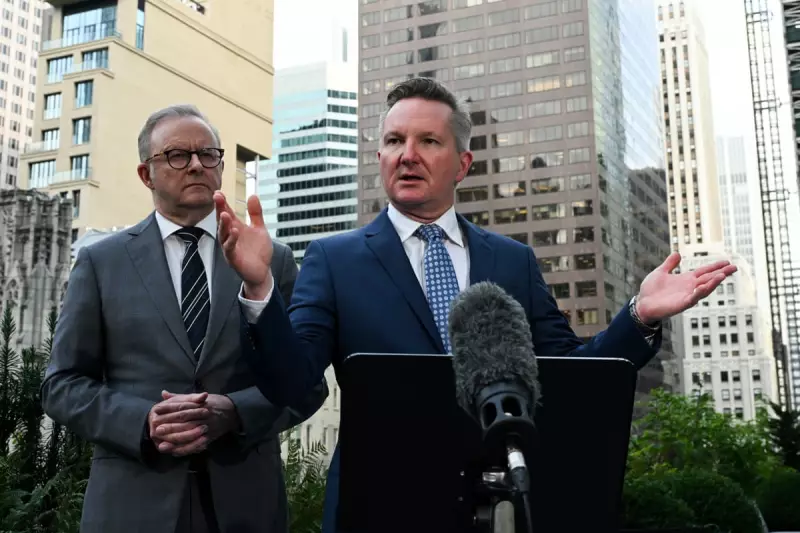
The government's public position, however, remains one of determination. Climate Change Minister Chris Bowen insists Australia is "in it to win it" and has worked determinedly on the bid for months. Yet, Prime Minister Albanese has given the first public signal that the federal government could be wavering. In a press conference in Perth, he stated Australia would not stand in Turkey's way, provided the interests of Pacific nations are safeguarded through measures like a special leaders' meeting or additional climate funding.
Hours after this apparent concession, a government spokesperson stressed that Australia was not formally withdrawing, arguing that Turkey should not block a bid that has overwhelming support from the critical 28-country Western European and Others grouping.
The Final Push for a Resolution
As the deadline looms, all eyes are on the key players. Minister Bowen is currently in Brazil and has met with his Turkish counterpart, Murat Kurum, in the last 24 hours. Prime Minister Albanese, who has been notably reserved on the issue, mentioned he would fly to South Africa for the G20 leaders summit, where a one-on-one meeting with Turkey's President Recep Tayyip Erdoğan could provide a final opportunity to thrash out a deal.
Any agreement would be seen as an acknowledgment that the Australian government wishes to be seen as the adult in the room, prioritising international cooperation on climate change over a costly domestic political battle. Meanwhile, Treasurer Jim Chalmers hinted at a sense of resignation, noting that Australia had "put a good case" and would play a leading role in climate action "regardless of where Cop31 is held."
With the final days of the diplomatic standoff underway, the outcome remains uncertain. Few will be watching more closely than the reluctant bureaucrats in Bonn, who hope a host is found before the responsibility falls to them.



