
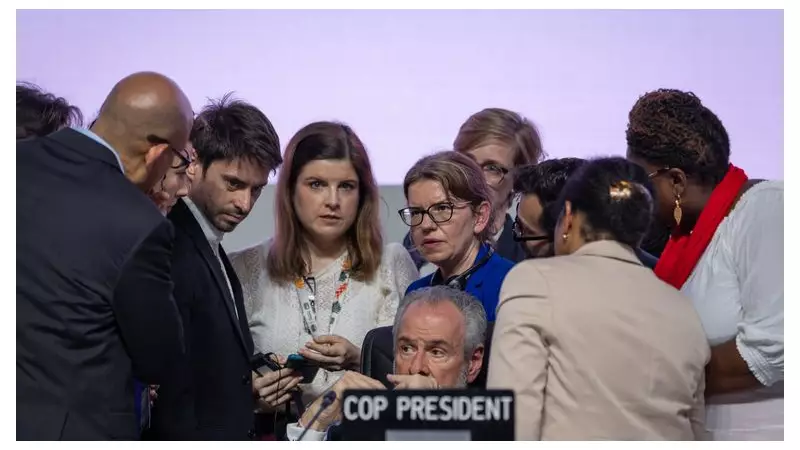
The future of global climate cooperation hung by a thread as exhausted negotiators battled through a marathon overnight session at COP30 in Brazil, sustained by coffee deliveries and traditional cheese dough-balls.
The Showdown Nobody Wanted
As Friday's 6pm deadline passed in Belem, the defining issue of this year's UN climate talks remained unresolved: how to discuss fossil fuels. Despite being the primary driver of climate change, it took 28 COP meetings to even mention these words in an agreement.
The 2023 UAE consensus in Dubai had been hailed as historic for promising to "transition away from fossil fuels." Yet two years later, few nations had made substantial progress, prompting at least 80 countries to push for a concrete implementation plan at COP30.
What made this proposal particularly compelling was its diverse backing. Support came not only from European nations like the UK and Germany, but also from oil-rich Sierra Leone and coal-dependent Colombia - countries with significant fossil fuel interests yet recognising the urgent need for change.
Negotiations on the Brink
Opposition emerged strongly from economies reliant on fossil fuels, including Russia and the Arab negotiating group. Tensions escalated when a Friday draft deal removed all three earlier proposals for a fossil fuel transition plan.
European Union commissioner Wopke Hoekstra declared the text "a non-starter" while charging through the conference venue. Colombia's environment minister Irene Velez Torres thundered: "We cannot accept a text that is not dealing with the real problems. We won't be silent."
The stalemate continued through a sweltering ministers' meeting, drowned out by generator noise and torrential Amazon rain pounding on the tent above.
The Marathon Session That Saved the Deal
The breakthrough emerged from a gruelling more than 12-hour overnight negotiation that nearly collapsed the entire process. Around 80 representatives from different negotiating groups gathered upstairs in the UN-patrolled conference area on Friday evening.
On one side stood China, Saudi Arabia and India - nations already transitioning their energy systems but resenting pressure to accelerate from countries that grew wealthy through their own fossil fuel-powered industrial revolutions.
Across the divide were the UK, EU, Latin American countries and small island states, who believed the credibility of the entire COP process depended on progressing fossil fuel discussions.
UK energy secretary Ed Miliband later revealed: "I spent much of the night thinking, genuinely, we were not going to get an agreement, and for us, we were willing to walk away."
The all-night session survived on coffee deliveries every two hours, saltine crackers and traditional Brazilian cheese dough-balls. As one participant noted: "There were people negotiating on one end of sofa, and snoring on the other end. Someone else was sitting on the floor, holding onto a fire extinguisher, asleep."
The challenging conditions mirrored the climate crisis itself, with negotiators experiencing almost daily 30°C heat and 80% humidity in Belem's Amazon-edge location.
Dawn Breaks on a Fragile Compromise
As Saturday morning's light emerged, bleary-eyed ministers and negotiators found a solution: hint at a fossil fuel plan without explicitly stating the words. The resulting agreement promises to "accelerate implementation", acknowledging previous decisions "such as the United Arab Emirates Consensus."
Mr Miliband explained the pivotal moment: "We thought we weren't going to get it. We thought we were quite potentially looking at no deal. And then, just before seven o'clock in the morning, that opened up, and that's what opened the space for there to be an agreement."
Climate-progressive nations accepted the compromise, partly fearing that a complete breakdown would benefit Donald Trump, who is pulling the US out of the process. They agreed to a voluntary fossil fuel process launched outside the formal COP framework.
When Brazilian COP president Andre Aranha Correa do Lago finally struck his ceremonial gavel, the room erupted in standing ovation. However, the applause masked widespread disappointment, with many recognising the agreement as merely keeping the process intact rather than driving ambitious action.
The final package included some positive elements: tripling finance for developing countries coping with extreme weather, increased forest protection funding, and recognition that the clean energy transition must be fair for workers and communities.
Ultimately, COP30 produced no crowning achievement for climate action. Instead, it provided the glue that maintained international cooperation - for now - in an increasingly fractured world facing escalating climate challenges.



