
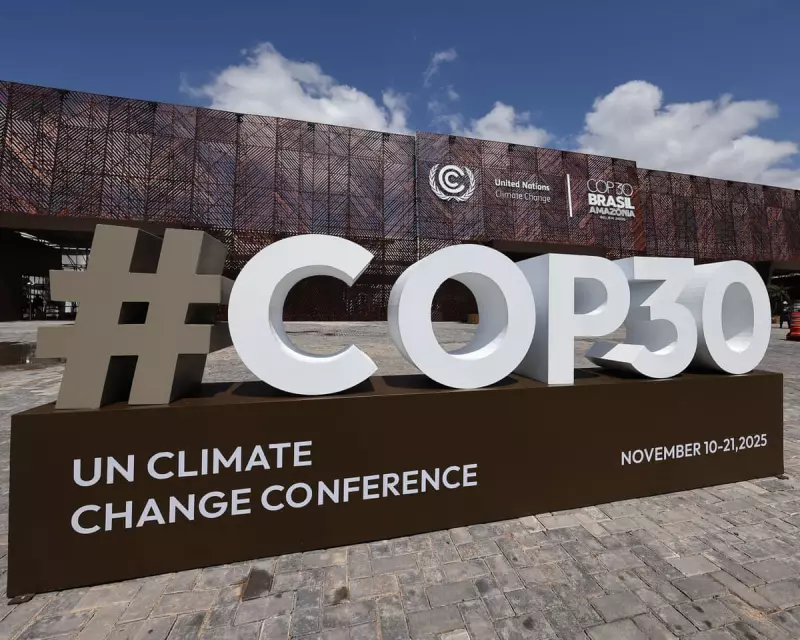
The world faces a critical juncture in the fight against climate change as preparations intensify for the COP30 summit in Brazil. The central question dominating discussions is one of responsibility: who will bear the colossal costs of ending the oil and gas age?
The Daunting Financial Challenge
The transition away from fossil fuels represents one of the most significant economic transformations in human history. The core challenge identified for COP30 is establishing a fair and effective system to finance this global shift. Current financial commitments, including the longstanding pledge of $100 billion annually from wealthy nations to developing countries, fall drastically short of what is required.
Developing nations, which have contributed least to the climate crisis, now face the dual burden of building modern economies while coping with devastating climate impacts. They rightly demand that historical polluters provide the necessary financial and technological support. The principle of "common but differentiated responsibilities" remains a cornerstone of these international negotiations, highlighting the greater obligation of industrialised nations.
Beyond Pledges: The Need for Concrete Action
Previous climate summits have been characterised by ambitious promises that often fail to materialise into tangible action. The COP30 conference, scheduled for 2025 in Belém, Brazil, must break this cycle. The credibility of the entire UN climate process hinges on moving from vague commitments to binding, actionable financial agreements.
A key proposal gaining traction involves establishing new multilateral funds specifically dedicated to supporting clean energy transitions in developing economies. This would enable countries to leapfrog fossil fuel dependency entirely, building sustainable infrastructure from the outset. Additionally, discussions continue around innovative financing mechanisms, such as taxes on shipping and aviation fuels or a global wealth tax, though political consensus remains elusive.
A Moral and Economic Imperative
The debate transcends mere economics; it is fundamentally about climate justice. The devastating effects of climate change—from extreme weather events to rising sea levels—disproportionately affect the world's most vulnerable populations. Providing adequate funding is not an act of charity but a moral obligation for nations that built their wealth through fossil fuel consumption.
Furthermore, investing in the green transition presents a significant economic opportunity. The development and deployment of renewable energy technologies, green infrastructure, and sustainable agriculture can generate millions of jobs worldwide. A coordinated global effort can accelerate this transition, creating new markets and driving innovation while simultaneously addressing the climate emergency.
The success of COP30 will be measured by its ability to deliver a robust financial framework that is both equitable and effective. World leaders must demonstrate the political courage to make difficult decisions and honour their historical responsibilities. The end of the oil and gas age is inevitable; ensuring it happens fairly and efficiently is the defining challenge of our time.



