
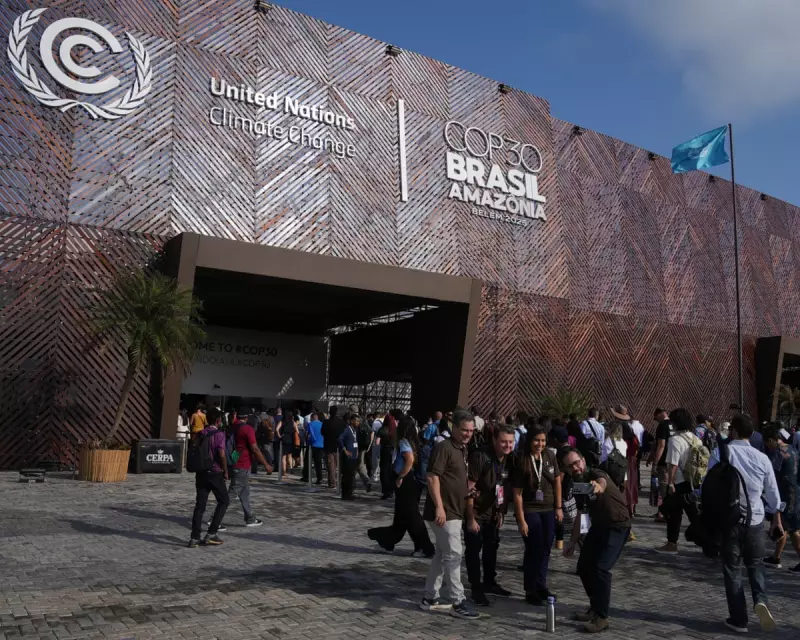
Behind the closed doors of the Cop30 climate conference in Belém, Brazil, tensions are running high as negotiators from developing nations express profound frustration with the state of critical climate talks. With more than 50,000 registered attendees, this year's summit has become a battleground for the future of global climate action.
The Battle for 1.5C: 'Arguing With Robots'
One negotiator from a vulnerable nation described the atmosphere as increasingly hostile to the Paris Agreement's central goal of limiting global warming to 1.5C above pre-industrial levels. The 1.5C threshold represents a vital lifeline for the planet, particularly for low-lying regions facing immediate threats from sea-level rise, cyclones, and extreme weather events.
"We need to be guided by the science, and the science is very clear," the representative stated, noting that some countries actively dispute the authority of the Intergovernmental Panel on Climate Change (IPCC). "They argue against the measures and commitments that would enable 1.5C. Sometimes it's like we are arguing with robots."
The opposition comes primarily from the "like-minded developing countries" group, including Saudi Arabia, Egypt, China, and India. Despite their developing nation status, these countries show little solidarity with more vulnerable nations, according to the negotiator. "Where is their humanity? Maybe they can never feel what we feel."
Adaptation Finance: A Matter of Survival
Another negotiator highlighted the critical importance of adaptation finance for communities facing immediate climate impacts. For many regions experiencing the worst drought in 40 years, adaptation means the difference between food security and humanitarian crisis.
Developing countries are pushing for a tripling of adaptation finance, from $40 billion to $120 billion, arguing that the $300 billion in climate finance agreed at Cop29 in Baku remains insufficient and poorly allocated. "No private sector company will invest in the things we need for adaptation," the negotiator explained, citing water storage systems and agricultural resilience as examples.
The discussion around adaptation indicators has become particularly contentious, with developed countries proposing over 100 metrics that some developing nations view as intrusive. "Some of these indicators infringe on our national sovereignty," the negotiator noted. "It's like we are being told how to run our governments."
Legal Obligations and Empty Promises
The fundamental issue of climate finance provision under Article 9.1 of the Paris Agreement has emerged as a central point of conflict. This clause represents a legal obligation for developed countries to provide climate finance to developing nations.
However, the European Union, United Kingdom, and other wealthy historic polluters are resisting dedicated discussions about this provision, preferring to fold it into broader finance conversations. This approach has drawn sharp criticism from global south negotiators.
"Rich historic polluters are saying that we don't need to discuss provision because supposedly it was addressed last year in Baku," a third negotiator revealed. "This is very ironic because the amount of the $300 billion that is public finance provision is totally not clear or specified."
The frustration has reached such levels that some senior negotiators are questioning the value of attending future climate conferences without proper mechanisms for discussing financial provision. As the summit approaches its conclusion on Friday evening, the divide between developed and developing nations appears wider than ever, threatening the very foundations of international climate cooperation.



