
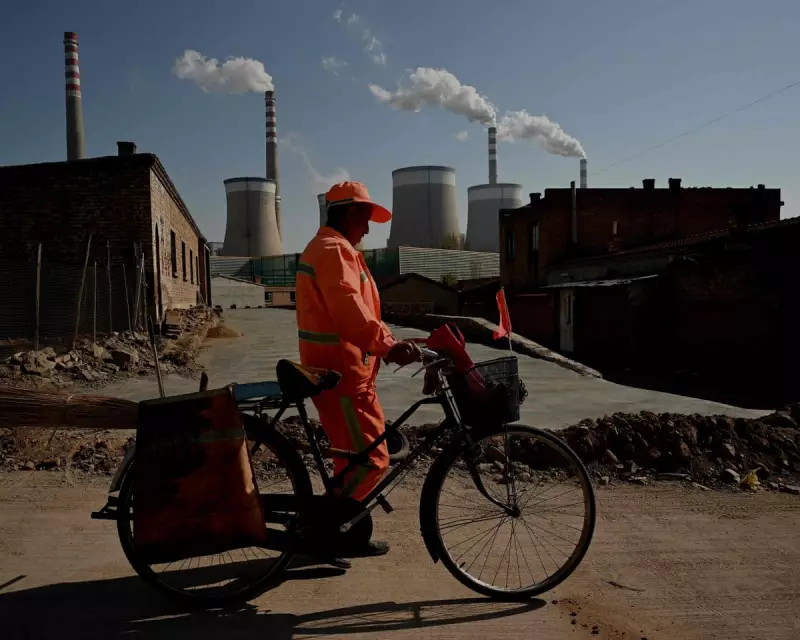
In a landmark development for global climate efforts, coal-fired electricity generation has fallen simultaneously in China and India for the first time in over five decades. This pivotal moment, described as 'historic' by analysts, could herald a long-awaited decline in worldwide carbon emissions.
A Turning Point Driven by Clean Energy
According to a new analysis commissioned by the climate news website Carbon Brief, the drop marks the first concurrent decrease in coal power use within these two nations since 1973. The research, conducted by the Centre for Research on Energy and Clean Air, attributes this shift primarily to an unprecedented roll-out of renewable energy projects.
The data shows that electricity from coal plants fell by 1.6% in China and by 3% in India last year. Crucially, the explosive growth in wind, solar, and hydropower capacity across both countries was more than sufficient to meet their rising energy demands, displacing the need for fossil fuels.
Record-Breaking Renewable Expansion
The scale of clean energy deployment is staggering. In 2023 alone, China added over 300 gigawatts (GW) of solar power and 100GW of wind power. To put this in perspective, this combined capacity is more than five times the United Kingdom's total existing power generation capability. The report notes these figures set "clear new records for China and, therefore, for any country ever."
India also made significant strides, installing 35GW of solar, 6GW of wind, and 3.5GW of hydropower. This rapid expansion of renewables accounted for 44% of the reduction in India's coal and gas use compared to the previous five-year average. It marks the first instance where clean energy growth has played a major role in curbing India's coal-fired power generation.
Global Implications and Cautious Optimism
This trend carries profound global significance. Between 2015 and 2024, China and India were responsible for driving more than 90% of the increase in global carbon emissions. A sustained, permanent reduction in their coal consumption could therefore signal a peak in the world's coal use and associated emissions.
However, analysts urge caution. In India, about 36% of the fossil fuel reduction was linked to milder weather conditions, while 20% stemmed from slower underlying demand growth. A return to severe summer temperatures, increasing demand for air conditioning, could potentially reverse some of these gains.
The report also contextualises this within recent global energy turmoil. The expected peak in global coal power was previously undermined by Russia's war in Ukraine, which spiked gas prices and pushed many nations towards cheaper coal. The International Energy Agency had warned just over a year ago that coal use might remain at near-record levels until 2027 following a post-pandemic rebound.
This new analysis suggests a potentially different trajectory. "The drop in coal power and record increase in clean energy in China and India marks a historic moment," the report concludes, positing it could well be "a sign of things to come" for the global energy landscape.



