
Fulfilling three key global climate promises could be a monumental 'gamechanger', potentially avoiding nearly 1°C of global heating and offering a viable route to prevent climate breakdown, according to a stark new analysis.
A Path to 1.7°C
The study, published by the Climate Action Tracker coalition at the Cop30 climate summit in Belém, Brazil, reveals that adhering to existing pledges would significantly alter our climate trajectory. Governments have already committed to tripling renewable energy generation, doubling global energy efficiency by 2030, and making substantial cuts to methane emissions.
If these promises are kept, they would shave a substantial 0.9°C from projected temperature rises this century. Bill Hare, the chief executive of Climate Analytics, one of the organisations behind the report, stated that achieving these measures by 2035 would be transformative. "It would be a gamechanger, quickly slowing the rate of warming in the next decade and lowering global warming this century from 2.6°C to about 1.7°C," he said.
This revised projection brings the world tantalisingly close to the core 1.5°C target of the Paris Agreement. Hare described the findings as "really quite stunning," noting it would represent the first major improvement and a significant step forward in global climate efforts.
The Implementation Challenge
The analysis further indicates that achieving these measures within G20 nations alone would reduce global greenhouse gas emissions by a staggering 18 billion tonnes in 2035. This reduction is enough to cut the rate of global heating by a third in the next decade and halve it by 2040.
However, the report underscores that these are not new targets but existing pledges that now require urgent implementation. "The whole emphasis of this Cop is implementation so I would say the parties need to get on and do it," Hare urged, highlighting the gap between agreement and action.
The pledges to triple renewables and double energy efficiency, made at Cop28 in Dubai, have seen some progress. Global investment in renewables soared to more than $2 trillion last year, more than double the investment in fossil fuels, according to the International Energy Agency. Countries like China have surged ahead in renewable capacity, while India met its targets five years early.
The Methane Problem
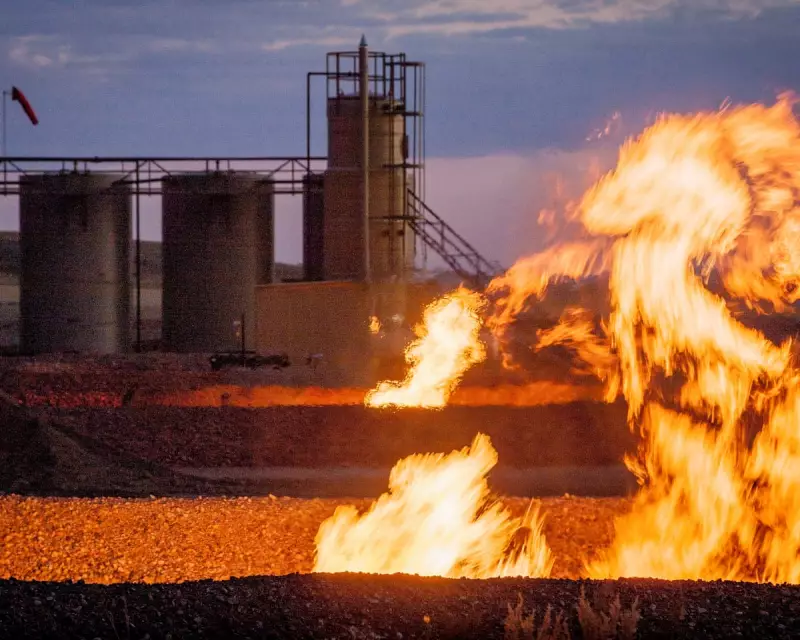
In stark contrast, progress on cutting methane emissions looks far more challenging. While more than 160 governments are nominally signed up to the global methane pledge—committing to a 30% cut in emissions by 2030 compared to 2020 levels—reality tells a different story.
Methane emissions have continued to rise, with many countries suspected of underreporting their output. Persuading major emitters like Russia, China, and the US to capture methane from oil and gas operations or seal abandoned mines has proven difficult.
Hare pointed to the political hurdles, asking, "Can governments bring themselves to resist pressure from the fossil fuel industry, and will richer countries agree to accelerate financial support for the countries that need it?"
Niklas Höehne from the NewClimate Institute added that successfully implementing these energy measures would naturally trigger a broader transition. "The changes in the energy system would be so significant... that they would actually trigger the transition away from fossil fuels," he said, noting it would go a long way towards fulfilling the Cop28 agreement.
As the Cop30 summit continues, the world watches to see if governments can move from promising to doing, turning this analysis from a hopeful scenario into a tangible reality.



