
Australia is witnessing a profound generational split in attitudes toward the climate crisis, according to the latest Guardian Essential poll, which reveals older Australians are significantly more pessimistic about preventing the worst effects of global warming than their younger counterparts.
Political Landscape Shifts Dramatically
The political fallout from May's federal election continues to reshape Australia's political landscape. The Australian Electoral Study has revealed that Peter Dutton is the least popular major party leader since the survey began in 1987, marking an unprecedented level of unpopularity for an opposition leader.
In a stunning reversal of political fortunes, voters backed Labor as the best party to manage the economy during the election, squandering what had been a 40-year Coalition advantage on economic management. The research indicates that Dutton's stance on tax cuts proved particularly damaging to the Coalition's traditional strength in economic policy.
Climate Crisis Divides Generations
The Essential poll exposes a dramatic generation gap in climate attitudes, with twice as many older Australians as young adults believing the world cannot prevent the worst effects of climate change. The survey found barely half of all respondents think climate change is happening and caused by human activity, highlighting ongoing scepticism despite overwhelming scientific consensus.
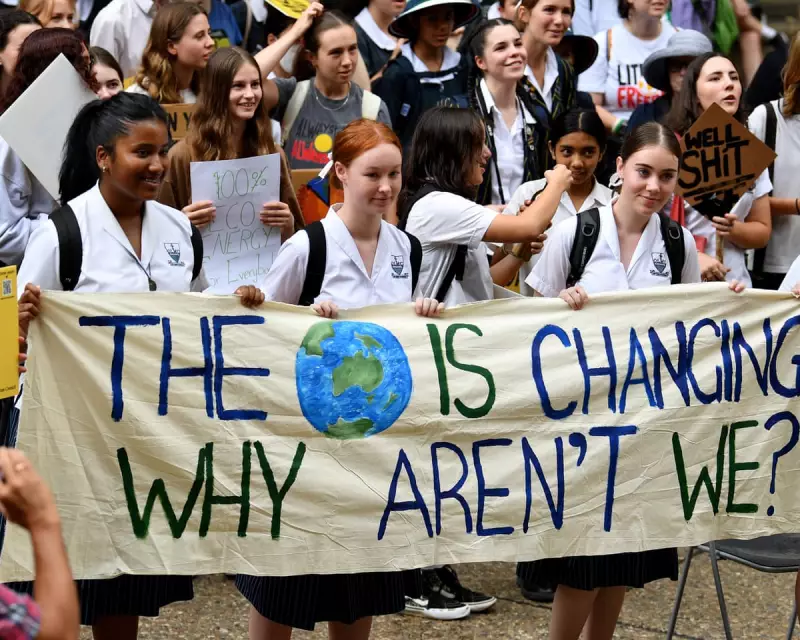
This generational divide comes as young climate protesters continue to demonstrate in Sydney, reflecting the heightened concern among younger Australians about their environmental future.
Conservation Breakthrough and Other Developments
In positive environmental news, scientists are celebrating a conservation breakthrough in the tough desert scrub of north-western New South Wales. A project to save Australia's small marsupial species from feral cats is bearing fruit, with researchers creating a fenced area with limited predators where six small marsupial species - including crest-tailed mulgaras, bilbies and quolls - are thriving.
The team has watched marsupial numbers grow significantly in the Wild Deserts precinct of Sturt National Park, with one scientist declaring: "That is such a win. They are taking back the desert."
Meanwhile, health authorities are warning about dangerous new wellness trends after investigations revealed that drinking methylene blue, a synthetic textile dye, is being promoted by online influencers for its alleged health benefits. While advocates claim it increases energy levels and has anti-ageing effects, scientists are urging caution about consuming industrial chemicals.
In workplace developments, a worker at one of the Australian Taxation Office's outsourced call centres is pursuing a "same job, same pay" order that could potentially unravel the agency's extensive use of third-party contractors.
Food delivery companies have also struck what's being described as a "world first" deal with unions to establish minimum wages and accident insurance for riders and drivers, marking a significant step forward for gig economy workers' rights.



