
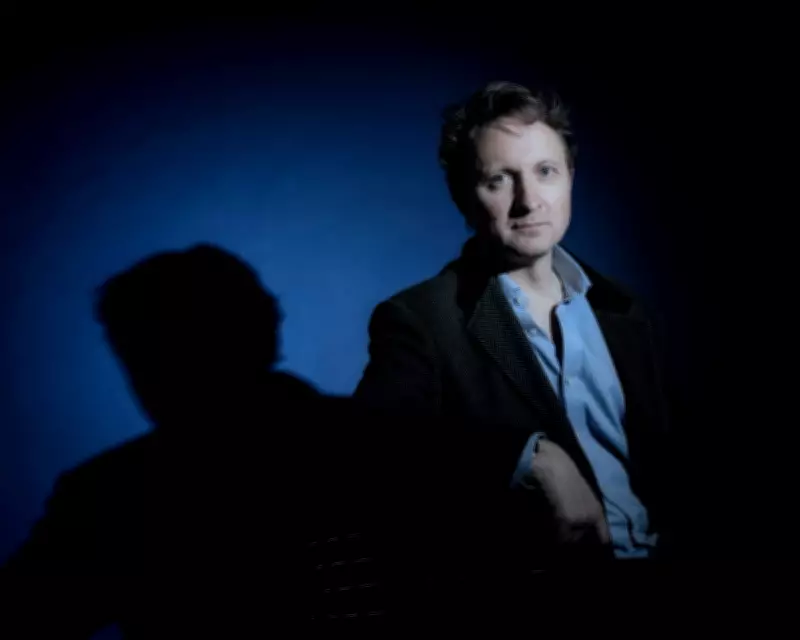
Climate Crisis to Reshape Global Power Dynamics Over Next 20 Years, Warns Ex-Diplomat
After a diplomatic career spanning war zones from Afghanistan to Yemen, Arthur Snell never anticipated a near-death experience on a holiday climb in the Swiss Alps. A close brush with a falling boulder, however, crystallized a profound realization: the mountains he loved were destabilizing due to climate change, mirroring broader geopolitical shifts worldwide.
From Rocks to Regimes: A World in Flux
Snell, a former UK Foreign Office official who now hosts the podcast Behind the Lines, argues in his new book Elemental that the climate crisis is not just an environmental issue but a primary driver of conflict and power realignment. "It's like rising damp in your house – you don't know it's there, but it's changing everything," he explains, drawing on his experiences in hotspots like Helmand, Afghanistan, where he served as deputy head of a provincial reconstruction team.
The book details how a heating planet is exacerbating tensions from drought-stricken Africa to the defrosting Arctic, while simultaneously fueling the rise of far-right populism in Europe and the United States. Snell emphasizes that these transformations are occurring at an unprecedented pace, compressing what would normally take millennia into a single human lifetime. "Normally, we can say: 'In so many million years, the map of the world will change.' Well, it will change in the lifetime of normal people living a normal lifespan," he warns.
Migration Pressures and Resource Competition
As extreme weather events—from wildfires in Los Angeles to hurricanes in Florida—become more frequent, Snell predicts significant internal migration within nations. Americans, for instance, may increasingly move northward to escape unbearable heat, potentially revitalizing cities like Detroit but straining relations with Canada. This shift is compounded by global competition for habitable land and critical minerals essential for renewable energy technologies, as seen in Greenland's mixed blessings of newfound resource demand.
Snell highlights that migration patterns will evolve beyond traditional poverty-driven flows. "You're going to see these extraordinary shifts of people – economic migrants, but not as we understand it when we're talking about people in small boats, more people moving because there's work to do and quite a good lifestyle to be had," he notes, pointing to potential movements from China to Russia as wet-bulb temperatures render parts of Beijing uninhabitable.
Geopolitical Flashpoints and Autocratic Advantages
The melting Arctic presents a particularly volatile flashpoint, with navigable summer waters opening lucrative trade routes and sparking fierce competition over mineral, oil, and fish reserves. "If you were looking down at the north pole, this is where Russia and the US meet. It's where Russia has borders with Nato members," Snell observes, underscoring the region's growing strategic importance, including for nuclear submarine patrols.
Meanwhile, autocratic regimes like Russia may gain strength as frozen tundra thaws into viable living spaces, while Gulf nations face catastrophe as oil demand plummets and temperatures soar. Snell warns that dwindling petrodollar revenues could destabilize Middle Eastern autocracies, with ripple effects for Western democracies reliant on their investments. "The Gulf nations are facing catastrophe, because their economic model is ending and also the liveability of where they are is ending," he says, estimating a 20- to 30-year timeline for critical tipping points.
Democracies at Risk and Britain's Place
Snell argues that democracies are dangerously unprepared for these challenges, as leaders must navigate public consent for painful sacrifices in an era of intense 24/7 political scrutiny. "The current flavour of an intense 24/7 liberal democracy seems to me to be really failing," he states, citing vulnerabilities to food-price inflation and migration pressures that fuel populism.
For Britain, spared the worst climate extremes but not immune, Snell criticizes lagging preparedness. "There are probably people who are looking at this stuff, but they're a long way from being able to brief the prime minister, or empower the resources that flow from the analysis," he notes, pointing to infrastructure gaps like the lack of new water reservoirs for decades. He also dismisses the "special relationship" with the U.S. as a nostalgic delusion, urging stronger independent defense post-Brexit.
Grounds for Optimism Amid Crisis
Despite the grim outlook, Snell identifies reasons for hope, including growing international cooperation on water management and renewable energy projects like solar arrays in African deserts. "The crisis does force cooperation and collaboration. There are very few countries that are saying: 'This isn't happening and we're not interested,'" he remarks cheerfully, embodying the spirit of his Substack newsletter, Not All Doom.
Ultimately, Snell's message is a pragmatic call to action: with net-zero goals still critical, societies must urgently adapt to the geopolitical upheavals wrought by a warming planet, ensuring resilience in the face of extraordinary shifts over the next two decades.



