
England's climate is changing, and with it, the nation's approach to gardening and landscaping must evolve, argues Richard Eltringham in a letter responding to recent reports of widespread drought. The call comes as half of England is officially in 'exceptionally serious' drought conditions, according to the Environment Agency.
The Native-Only Doctrine Under Scrutiny
Eltringham, from Leicester, contends that the 'native-plants-only' doctrine, long held by conservationists, is no longer viable. 'We can keep insisting that every garden, park and verge must resemble a 1790s botanical inventory, or we can face the obvious – the climate those plants evolved for no longer exists,' he writes.
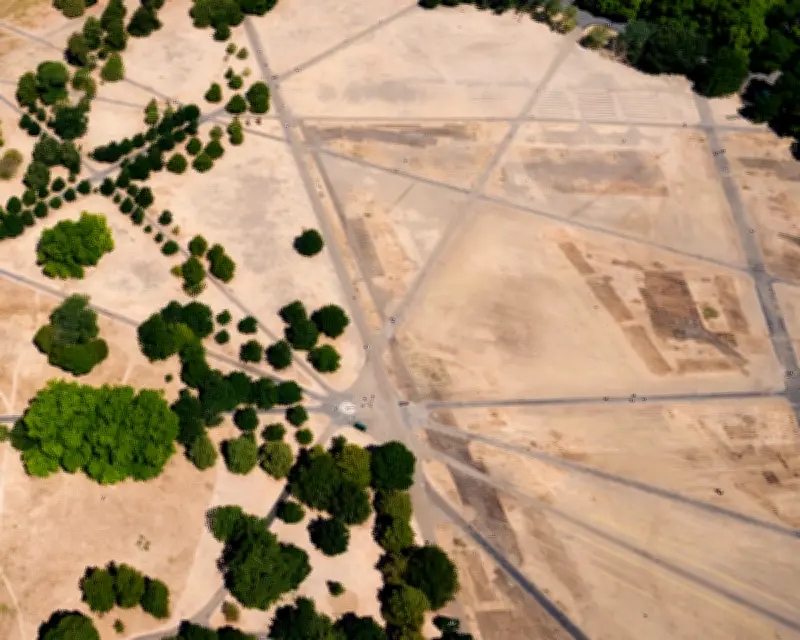
This perspective challenges traditional conservation practices, suggesting that the effort to preserve pre-industrial flora is futile in a post-industrial climate. The evidence is visible across the country: oak saplings are crisping, beech woods are browning, and 'rewilded' meadows are turning into tinderboxes during heatwaves.
Drought-Tolerant Alternatives Ready
Eltringham points to drought-tolerant non-native species as practical solutions. Mediterranean shrubs, prairie perennials, and desert grasses are already capable of holding soil, feeding pollinators, and staying green and alive under current conditions. These plants, he argues, are ready to perform essential ecological functions that native species can no longer sustain.
The letter frames this as adaptation, not heresy. 'If the choice is plant non-natives or watch landscapes die, then the path is obvious,' Eltringham asserts. He criticizes 'botanical nationalism' as sentimentality that ignores ecological collapse.
Impact on Landscapes and Conservation
The implications extend beyond private gardens to public parks, road verges, and rewilding projects. As climate projections indicate more frequent and severe droughts, the pressure on native flora will intensify. This shift could redefine conservation goals, prioritizing resilience over historical authenticity.
Eltringham's letter adds to a growing debate among horticulturists and environmentalists about the future of England's green spaces. While some argue for preserving native ecosystems, others see the need to integrate climate-adapted species to maintain biodiversity and ecosystem services.
The Environment Agency's drought report, which prompted this discussion, highlights the severity of the situation, with half of England officially affected. This has spurred calls for urgent action, not just in water management but in how the nation manages its flora.
As England grapples with a changing climate, the question of what to plant becomes increasingly critical. Eltringham's message is clear: adapt or watch the landscape die. The choice, he suggests, should be obvious.



