
Climate Aid Reductions Pose Severe Threat to Developing Nations
In a concerning development for international climate efforts, significant reductions in climate aid from affluent countries are creating a dire situation for nations in the Global South. These cuts are undermining essential projects aimed at adapting to climate change and reducing greenhouse gas emissions, leaving vulnerable populations increasingly exposed to the devastating impacts of extreme weather events and economic upheaval.
Impact on Adaptation and Mitigation Initiatives
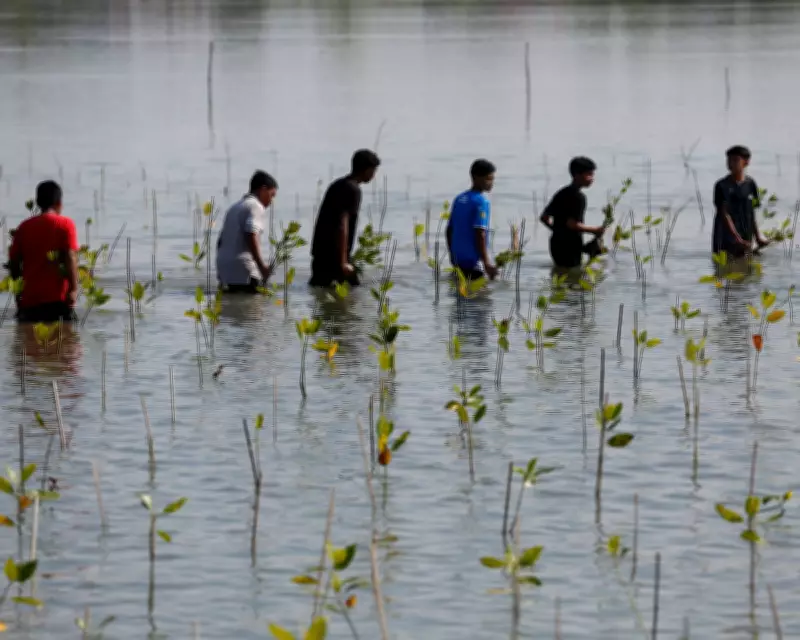
The slashing of financial support is directly affecting a wide array of critical initiatives. Adaptation projects, such as building resilient infrastructure, implementing early warning systems for natural disasters, and developing sustainable agricultural practices, are facing severe funding shortages. Similarly, mitigation efforts, including the transition to renewable energy sources and the protection of vital ecosystems like forests and wetlands, are being stalled or abandoned due to lack of resources.
This financial shortfall is not merely a budgetary issue; it represents a profound failure in global solidarity. Many developing countries, which contribute minimally to historical emissions, are bearing the brunt of climate change consequences without adequate support from the industrialized nations responsible for the majority of carbon output.
Exacerbating Vulnerabilities in the Global South
The repercussions of these aid cuts are multifaceted and deeply alarming. Communities in regions already grappling with poverty, food insecurity, and political instability are now facing heightened risks from climate-related disasters. For instance, coastal areas are more susceptible to sea-level rise and storm surges, while arid regions confront intensified droughts and water scarcity.
Moreover, the economic fallout is substantial. Without sufficient climate aid, developing nations struggle to invest in green technologies and sustainable development, potentially locking them into carbon-intensive pathways that could hinder long-term growth and exacerbate global warming. This creates a vicious cycle where reduced funding leads to greater vulnerability, which in turn demands more resources—a gap that is widening due to current cuts.
Calls for Urgent Action and Increased Commitment
Environmental advocates and policymakers from the Global South are urging wealthy nations to honor their climate finance pledges and increase contributions to meet the escalating needs. The Paris Agreement’s goal of mobilizing $100 billion annually by 2020 for climate action in developing countries remains unmet, with recent trends pointing in the wrong direction.
Strengthening climate aid is not only a moral imperative but also a strategic necessity for global stability. Enhanced support can empower developing nations to build resilience, foster sustainable economies, and contribute to worldwide emission reduction targets. Failure to address this funding crisis risks undermining international climate agreements and perpetuating inequalities that threaten both environmental and human security.
In summary, the reduction in climate aid represents a critical setback in the fight against climate change, disproportionately affecting the Global South. Immediate and substantial increases in financial commitments are essential to safeguard vulnerable communities and ensure a equitable, sustainable future for all.



