
China has declared it will not assume sole leadership on global climate policies without American participation, despite maintaining its commitment to clean energy transition, according to a senior adviser at the COP30 summit in Brazil.
China's Stance on Global Climate Leadership
Wang Yi, vice-chair of China's expert panel on climate change, exclusively told the Guardian that while China remains dedicated to averting climate breakdown through energy transformation, the country refuses to take the lead alone in the absence of the United States. "I don't think China would like to play a leadership role," Wang stated, emphasising the importance of maintaining global momentum toward climate goals.
The ecological economist and standing member of China's state congress explained that the world currently faces two possible directions: moving forward with clearer, more ambitious targets or regressing. "We don't want to take the lead alone. We need comprehensive leadership," he stressed, highlighting China's preference for cooperative international action.
China's Domestic Climate Efforts
Despite resistance from some industrial sectors, Wang confirmed that Chinese President Xi Jinping remains committed to the energy transition for the long term. He revealed that China's emissions have remained flat or decreased over the past 18 months, while the country has become a global leader in renewable technology production.
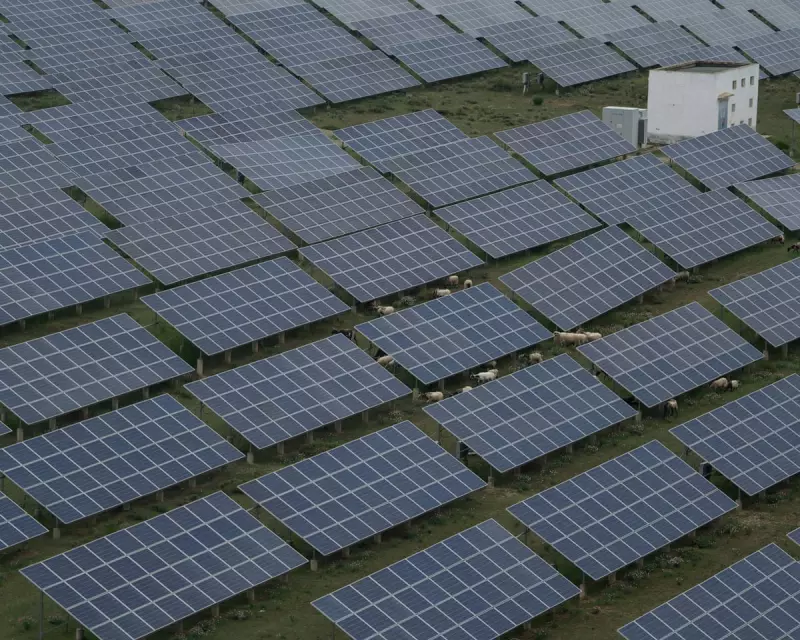
China currently leads the world in manufacturing, installing and exporting wind turbines, solar panels and electric vehicles, even as it remains the planet's largest emitter of carbon dioxide from coal, oil and gas consumption.
Wang projected that China's power consumption will grow significantly from 7,000 kilowatt hours in 2024 to potentially 12,000 kilowatt hours, with a steady shift away from fossil fuels toward renewable sources including:
- Wind and solar energy
- Green hydrogen and ammonia
- Electric vehicle infrastructure
- Modernised power grid systems
International Challenges and Finance Demands
The senior adviser expressed concern about growing trade barriers, particularly following Trump's imposition of hefty tariffs, which he said slows the spread of green technology to developing nations. He also criticised what he described as double standards from some countries that want China to reduce emissions faster while worrying about Chinese competitive capacity and security.
On climate finance, Wang urged Europe and other early industrialised nations to step up contributions toward the $1.3 trillion goal for supporting poorer countries in transitioning away from fossil fuels and adapting to climate impacts.
However, EU climate commissioner Wopke Hoekstra countered that China should take more responsibility, noting that China accounts for over 30% of global emissions and is classified as an upper middle-income country by the UN. "At the moment China is not doing what science expects it to do," Hoekstra stated.
As COP30 concludes in Brazil, the negotiations continue on critical issues including the transition away from fossil fuels, with China's position remaining crucial to any global agreement in the absence of strong US participation.



