
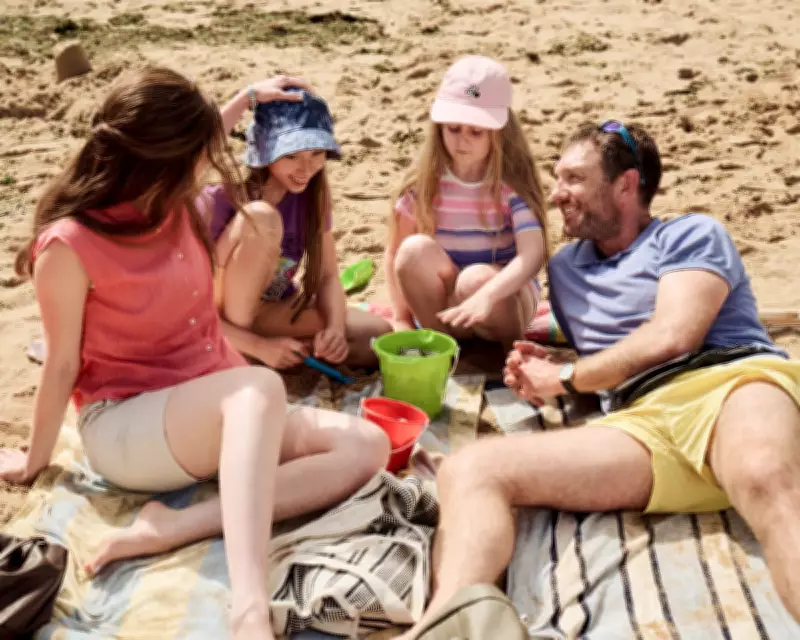
Channel 4's 'Dirty Business' Eclipses 'Hamnet' in Emotional Impact
While the play 'Hamnet' is renowned for its heart-wrenching narrative, a recent Channel 4 docudrama titled 'Dirty Business' has reportedly stirred even deeper emotions among viewers. This powerful documentary delves into the severe pollution plaguing Britain's rivers and seashores, presenting a stark reality that has sparked widespread public outrage.
A Tragic Case Highlights Water Quality Failures
In one particularly harrowing segment, 'Dirty Business' recounts the story of a young girl who tragically lost her life to E. coli after playing on a beach in the West Country. This incident serves as a grim reminder of the dire consequences of environmental neglect, with the documentary aiming to incite what many describe as 'righteous anger' over the filthy state of UK waters.
Sheila Brignall from Great Chishill, Cambridgeshire, expressed in a letter to the Guardian that while 'Hamnet' was affecting, it paled in comparison to the emotional turmoil evoked by watching 'Dirty Business'. Her sentiments echo a growing concern among citizens about the urgent need for action against water pollution.
Broader Cultural and Political Commentary
The documentary's release coincides with other notable discussions in the media. For instance, Michael White's 'Country diary' lamented the challenge of achieving grit-free cockles, prompting Tim Barnes from St Peter Port, Guernsey, to share a family tradition of soaking cockles in clean seawater for over 24 hours to ensure they expel all grit, enjoyed with lemon and brown bread.
In political spheres, Emma Brockes referenced Jeremy Corbyn's critique of Tony Blair, who was described as being in a 'messianic trench', with Josh Ekroy from London adding a witty remark about Blair's predicament between Iraq and a hard place. Meanwhile, Jim Hatley of Brighton reminisced about Monty Python's semaphore version of 'Wuthering Heights', highlighting its comic genius amidst serious debates.
On a lighter note, Joyce Blackledge from Formby, Merseyside, shared a personal anecdote about a widowed friend who found solace by counting other widows she knew to fall asleep, showcasing the diverse range of human experiences reflected in public letters.
Call to Action and Public Engagement
The Guardian continues to encourage readers to submit their opinions on such topics, fostering a vibrant letters section that amplifies voices on issues from environmental crises to cultural critiques. As 'Dirty Business' gains attention, it underscores the critical role of media in raising awareness and driving change in environmental policies and public health.



