
Historic Indigenous Victory Meets New Pipeline Threat
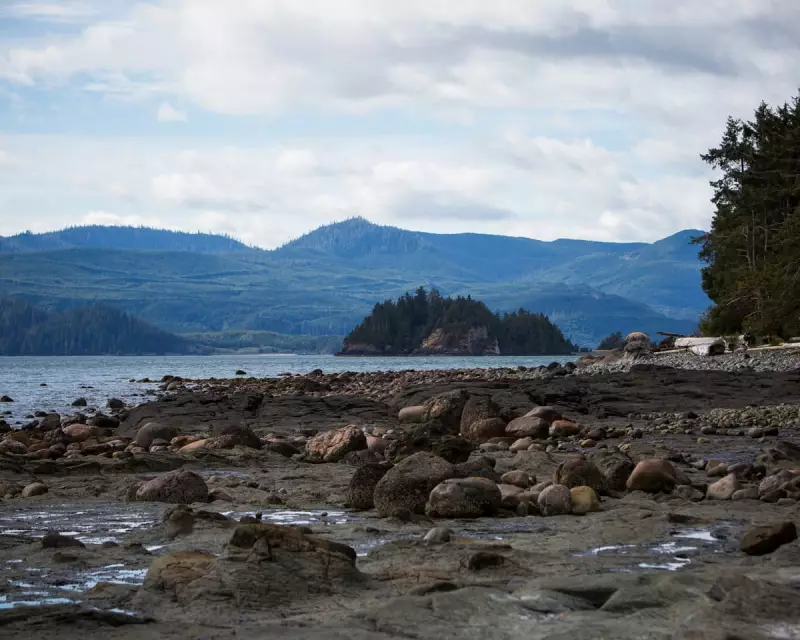
For the remote coastal First Nations of Canada, the recently announced oil pipeline proposal represents far more than just another climate policy debate. This conflict strikes at the very heart of their hard-won territorial rights and cultural survival. The tension emerges just as the Haida nation celebrated an unprecedented victory, securing formal recognition of their Aboriginal title to Xhaaidlagha Gwaayaai, known as "the islands at the boundary of the world" after decades of struggle.
Political Breakthrough Sparks Immediate Backlash
On Thursday, Canadian Prime Minister Mark Carney and Alberta Premier Danielle Smith announced a significant energy agreement centred on plans for a new heavy oil pipeline stretching from Alberta's oil sands to the Pacific coast. Heralded as a major political breakthrough between historically deadlocked parties, the deal establishes groundwork for an oil duct capable of carrying more than a million barrels each day to the Pacific. The agreement grants Carney's government new legislative powers to slash permitting and approval delays, potentially fast-tracking the controversial project.
However, the response from politically powerful First Nations, whose consent the government requires, was immediate and unequivocal. Gaagwiis, the president of the Haida nation, stated plainly: "This project is not going to happen." He emphasized that the federal government had a duty to "uphold the honour of the crown" in dealings with his community, warning that "trying to ram through a project puts that 'honour' in jeopardy."
Despite Carney's pledge to obtain full First Nations consent and share potential financial windfalls, Gaagwiis remained adamant: "Because there's absolutely nothing that can fully guarantee the safety of our communities from an oil spill, there's nothing that can be said to convince us otherwise."
Political Fallout and Environmental Concerns
The agreement cost Carney one of his most prominent cabinet ministers, longtime environmental advocate Steven Guilbeault, who resigned hours after the signing. In a social media post, Guilbeault expressed "great sadness" but stated the decision was necessary given his values as an environmental advocate.
The pipeline decision marks a significant political shift for Carney, who before entering politics built credentials as a global economist focused on achieving net zero emissions. Jessica Green, a University of Toronto political science professor, criticized the agreement, stating: "Everything in this says more fossil fuels, except the first line – where it says Canada and Alberta remain committed to achieving net zero greenhouse gas emissions by 2050. Call a spade a spade: if you want to double down on fossil fuels, at least have the guts to say it out loud."
While the deal received enthusiasm in Alberta and support from business groups, it faces substantial practical hurdles. British Columbia Premier David Eby, a strong critic after his province was excluded from talks, noted: "No proponent, no route, no money, no First Nation support." He warned that any pipeline proposal should not divert limited resources from genuine projects that could provide employment and access to global markets.
For coastal First Nations whose livelihoods depend on the Pacific Ocean, the pipeline threat transcends climate policy discussions. Gaagwiis emphasized the catastrophic potential: "When people talk about this project, they need to understand an entire ecosystem could collapse in the event of a spill. Losing a culture that developed relationships with the ocean over thousands of years would be devastating."
He concluded with a definitive stance: "I see the reality setting in soon that there is no project, there's no pipeline route, there's no proponent – and there's no support. Everyone here is against it. There are other ways for Alberta to find more business in moving oil. But it's not going to be through the coast."



