
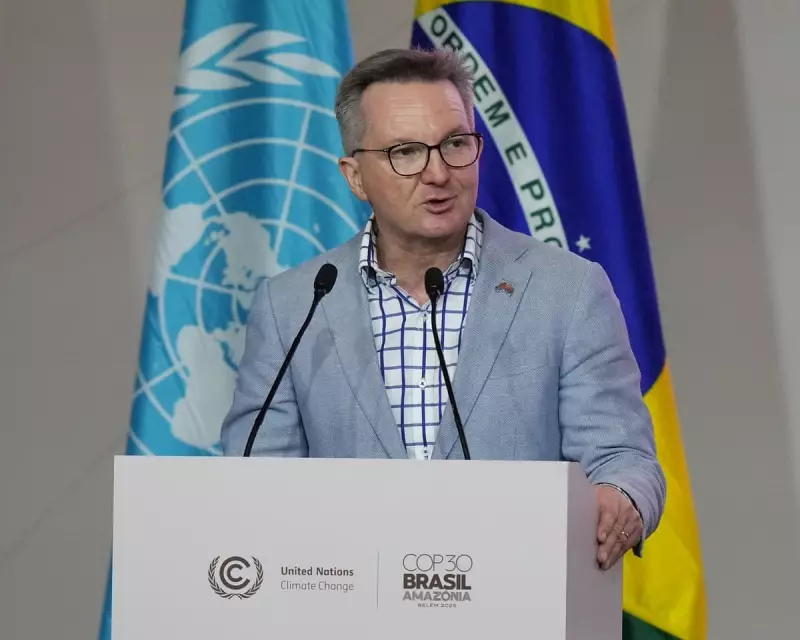
Climate Change and Energy Minister Chris Bowen has been appointed to lead global climate negotiations at next year's COP31 summit in Turkey while maintaining his domestic ministerial responsibilities, sparking political controversy in Australia.
Unprecedented Climate Diplomacy Deal
According to the COP31 hosting agreement finalised with Turkey, Chris Bowen would be given 'exclusive authority in relation to the negotiations' between nearly 200 countries, with his responsibilities commencing immediately. The unprecedented arrangement will see Turkey host the summit in the resort city of Antalya while Bowen serves as vice-president and 'president of negotiations'.
The minister's role will include presiding over a pre-COP31 meeting in the Pacific late next year, marking a significant diplomatic undertaking for Australia. This arrangement emerged after Australia's failed bid to co-host the summit with Pacific nations, when Turkey refused to withdraw from the consensus process despite limited support.
Coition Claims of 'Part-Time Minister'
The opposition Coalition has launched strong criticism against Bowen's appointment, claiming the key diplomatic role would make him a 'part-time minister' while Australians face inflated energy prices. The issue is expected to dominate parliamentary debate during the final sitting week of the year.
Shadow climate minister Ted O'Brien led the attack, arguing that Australians deserved a full-time energy minister during a period of economic pressure. 'At a time when Australians are struggling with the cost of living and energy prices remain high, we need a minister focused solely on domestic concerns,' O'Brien stated.
Experts Dismiss 'Culture Cringe' Argument
Climate policy experts have universally dismissed the Coalition's claims, with one describing the argument as evidence of an Australian 'culture cringe'. Erwin Jackson, a veteran climate talks observer now at Monash University's Climateworks Centre, highlighted that seven of the ten COP summits since the Paris Agreement have been led by government ministers who retained their domestic roles.
'In the last 40 years of negotiations, Australia has been a climate pariah - from Paul Keating all the way through to Scott Morrison,' Jackson noted. 'The fact that Australia has now got the backing of the most progressive climate countries in the world is something we should be celebrating.'
Jackson emphasised that Bowen's role differs significantly from that of Alok Sharma, who led COP26 in Glasgow. While Sharma needed to travel extensively to galvanise global efforts on new emissions targets, COP31 will focus on implementation of existing commitments rather than major new decisions.
Practical Challenges and Solutions
Howard Bamsey, a former Australian special climate envoy, warned against underestimating the scale of the challenge. 'Bowen has an exceptionally demanding domestic role and exceptionally challenging task internationally,' Bamsey said, suggesting the minister could be supported by appointing a 'quasi-ministerial representative' to handle significant parts of the negotiations.
Richie Merzian, chief executive of the Clean Energy Investor Group and former climate diplomat, argued that Bowen could effectively manage both roles, noting that ministers already juggle multiple responsibilities. 'The situation is not pretty as there is no precedent, but it's doable and if anyone could do it, it's probably Bowen,' Merzian stated.
The experts agreed that success would depend on strong backing from cabinet colleagues and the bureaucracy, particularly the Department of Foreign Affairs and Trade, representing a whole-of-government effort in Australia's national interest.



