
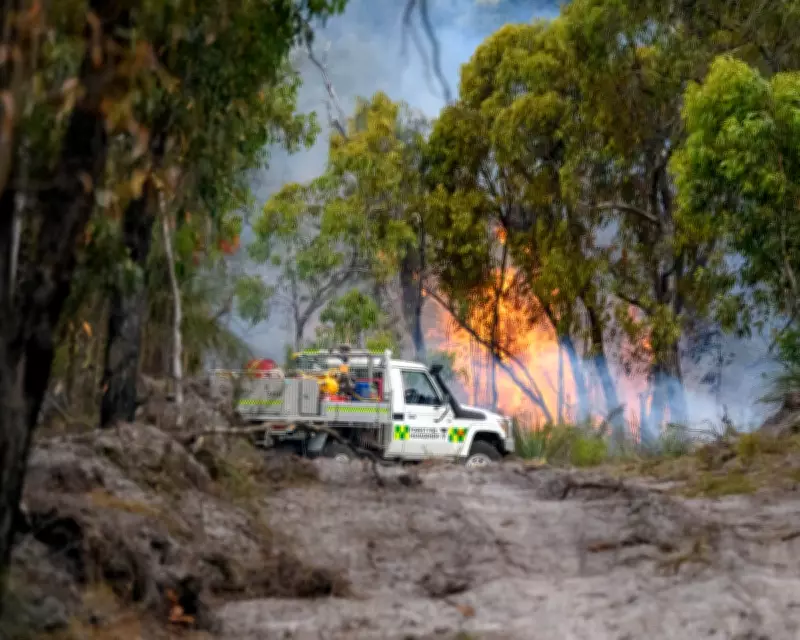
Australia's south-eastern regions have endured an unprecedented eighth consecutive day of blistering heat this week, with inland areas experiencing record-breaking temperatures that soared above 50°C in some locations. The intense heatwave has prompted widespread warnings and sparked bushfires in Victoria, though a welcome cool change is forecast to sweep across the region over the weekend.
Scorching Temperatures and Heatwave Warnings
On Saturday, the Bureau of Meteorology (BoM) issued heatwave alerts for parts of every state and territory except Tasmania, as the mercury continued to climb. Canberra was predicted to reach a peak of 41°C, while inland New South Wales, including areas like Broken Hill, faced temperatures exceeding 45°C. In a particularly extreme forecast, Thargomindah in Queensland was expected to hit 46°C, and Mildura in Victoria was set for 45°C.
The heatwave has shattered records, with Friday seeing maximums around 50°C in northern South Australia and western NSW. Marree recorded a staggering 49.8°C, and Andamooka near Roxby Downs reached 50°C, both marking historic highs. This marked the seventh day in a row that temperatures in Marree remained above 46°C, highlighting the severity of the prolonged heat event.
Regional Impacts and Forecasts
Other areas have also felt the brunt of the heat, with Ceduna climbing above 49°C this week, and locations like Port Augusta, Port Pirie, and Tarcoola experiencing temperatures over 48°C. For Saturday, forecasts included 49°C at Ivanhoe in western NSW, 48°C at Wilcannia, and 47°C at Cobar.
Dean Narramore, a senior meteorologist at the BoM, explained that inland parts of south-eastern Australia have suffered through record heat all week, with Saturday representing the final day of temperatures in the mid to high 40s. He noted that a monsoon low in tropical north Australia would bring widespread rain and storms, ushering cooler air into Victoria and South Australia on Saturday, with the relief extending across the rest of the south-east by Sunday. Temperatures are expected to drop by as much as 15°C in some areas.
Narramore detailed that inland regions would continue to bear the brunt of the heat, with south-western Queensland facing another day of mid to high 40s. Northern South Australia was also set for another very hot day, while southern parts would experience cooler conditions due to fresh, gusty winds, with temperatures in the high 20s to low 30s. In NSW, western areas would again see mid to high 40s, with cooler coastal conditions and thunderstorms in the south-east. Victoria's north-west was forecast for mid 40s for one last day, with southern parts remaining cooler.
Bushfires and Safety Concerns
The extreme conditions have exacerbated fire risks, with two bushfires in Victoria not yet under control as of Saturday. The Carlisle River fire in the Otways and the Walwa bushfire on the NSW border were both at a watch and act level, with communities gradually returning to affected areas. These incidents underscore the heightened danger posed by the prolonged heatwave.
Weekend Relief and Long-Term Outlook
By Sunday, temperatures are expected to moderate significantly across major cities. Sydney is forecast to reach a top of 29°C with possible showers and thunderstorms, while Canberra will drop to 31°C. Melbourne is set for a maximum of 19°C with a few showers, Brisbane for 33°C, and Adelaide for 25°C.
This heatwave marks Australia's second major event for January, following another earlier in the month. Analysts have linked the increased frequency and severity of such extreme weather to global heating, noting that the recent heatwave was made five times more likely due to climate change. The climate crisis continues to intensify heatwaves and bushfires, posing ongoing challenges.
According to the latest long-range forecast, hotter than average days and nights are expected to persist until April for much of the country. Additionally, sea surface temperatures around Australia and globally are projected to remain warmer than average, contributing to the broader environmental impacts.



