
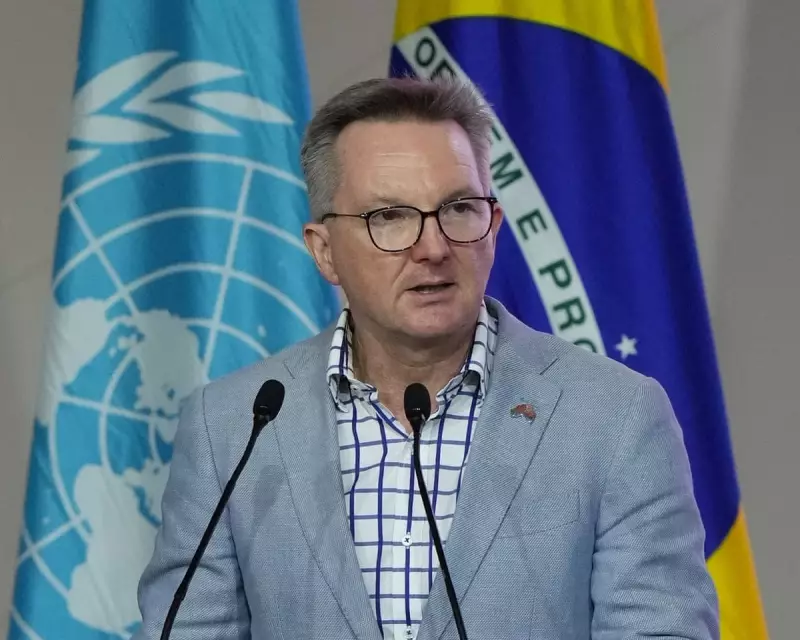
In a dramatic turn of events at the Cop30 climate summit in Belem, Brazil, Australia's ambitious three-year campaign to host the Cop31 UN climate conference has officially collapsed. The event, which would have brought tens of thousands of delegates to Adelaide in November next year, will instead be held in the Turkish Mediterranean resort city of Antalya.
The Bid That Couldn't Cross the Line
Climate Change and Energy Minister Chris Bowen had boldly declared Australia was 'in it to win it' just before the bid unravelled. The failure represents a significant disappointment for those hoping that hosting the world's premier climate gathering could accelerate Australia's transition from fossil fuel dependency to renewable energy leadership.
The bid enjoyed strong Pacific partnership support and would have focused international attention on the existential threats facing island nations. However, the campaign faced internal challenges from the outset, with mixed messages from Prime Minister Anthony Albanese and apparent disengagement from the Department of Foreign Affairs and Trade.
An Unexpected Diplomatic Breakthrough
Despite the apparent failure, a potentially groundbreaking arrangement emerged from the collapse. Bowen negotiated an unprecedented deal with Turkish counterpart Murat Kurum that could salvage a positive outcome from the diplomatic stalemate.
Under the proposed agreement, Turkey would serve as official host and Cop president while Australia, through Bowen, would assume the critical role of 'president of negotiations' - wrangling nearly 200 countries through the complex talks on combating climate change. The deal also includes enhanced Pacific representation, potentially featuring a lead-up event on an island nation.
Geopolitical Realities and Climate Diplomacy
Turkey's refusal to yield despite having less support than the Australian-Pacific bid - with at least 24 of 28 Western Europe and Others Group countries backing the southern proposal - reflects the fracturing geopolitical landscape. The absence of US leadership under Donald Trump created a vacuum that allowed oil-producing nations to provide cover for Turkish obstinacy.
Many countries had expressed concerns about Turkey's suitability given President Recep Tayyip Erdoğan's closeness to Vladimir Putin and fears that the conference could face obstruction from the top. The German government was particularly anxious about potentially having to host an unprepared Cop31 at the UN climate headquarters in Bonn.
Climate veteran Erwin Jackson from Monash University's Climateworks Centre emphasised the significance of the negotiations presidency role, noting that 'every successful Cop has been determined by a president holding the pen who can listen, build consensus and deliver an ambitious outcome.'
Despite legitimate concerns about civil society participation under Turkish hosting and Australia's ongoing fossil fuel export expansion, the creative solution represents the best available path forward for multilateral climate action when it's needed more than ever.



