
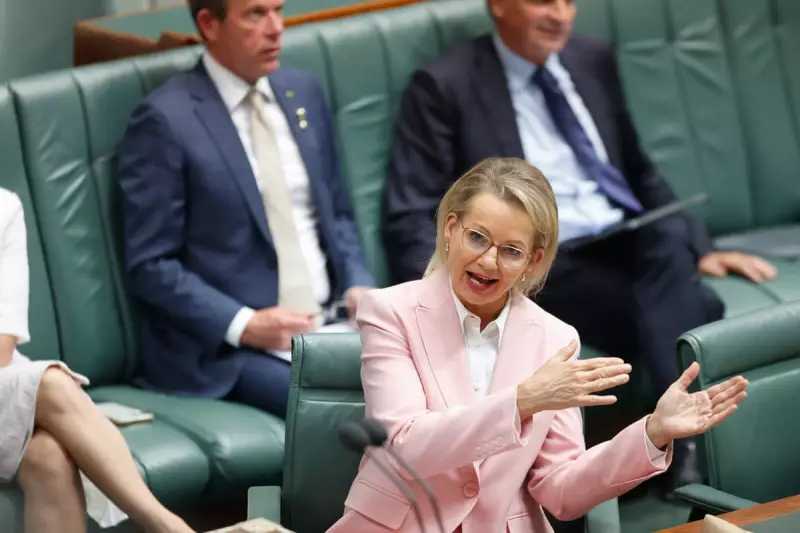
The ongoing public conflict within Australia's Coalition parties regarding their commitment to achieving net zero emissions by 2050 has exposed fundamental divisions in their approach to climate policy.
The Core Conflict: Political Theatre Versus Substance
According to political observers, the federal Liberals and Nationals have never genuinely supported the concept of reaching net zero by 2050. This assessment stems from their consistent failure to back any substantive policies designed to achieve this target since former Prime Minister Scott Morrison adopted it in 2021.
The current public disagreement, which will be discussed when Liberal MPs convene in Canberra, essentially revolves around whether to maintain the appearance of supporting net zero or to openly abandon the commitment altogether.
Policy Vacuum and Contradictory Positions
The Coalition's previous energy policy, which involved taxpayer-funded nuclear energy and was rejected by voters during the last election, effectively functioned as a disguised fossil fuel initiative. Experts noted that if implemented, this approach would have delayed renewable energy development while increasing reliance on coal and gas until at least the mid-2040s.
Following their electoral defeat in May, the Coalition has discarded its election platform. However, shadow energy minister Dan Tehan has indicated that replacement policies might include subsidies for nuclear energy alongside support for expanding coal and gas operations. This creates significant questions about how these proposals align with his additional responsibility as shadow minister for emissions reduction.
Nationals leader David Littleproud has attempted to frame his party's recent decision to abandon the net zero target as "not denying the science of climate change" while claiming there exists a "better, cheaper, fairer way to address it." Despite these assertions, he has yet to provide specific details about this alternative approach.
The Reality Behind Electricity Price Increases
The Coalition and its media supporters frequently attribute rising energy costs to renewable energy expansion, but evidence contradicts this narrative. The Australian Competition and Consumer Commission's most recent data reveals that when government rebates are included, median electricity bills actually decreased by 21% compared to the previous year.
The primary drivers behind recent price increases include:
- Vladimir Putin's invasion of Ukraine causing global gas prices to skyrocket
- Coal price increases due to flooding at east coast mines
- Outages at ageing coal power plants reducing grid competition
Energy expert Dylan McConnell from the University of New South Wales clarifies: "Electricity prices are going up because we have an ageing system that needs replacing, and replacing it is expensive. Renewable energy and storage is the least-cost option."
Global Context and Domestic Implications
Arguments suggesting that other nations are abandoning net zero targets significantly overstate reality. More than 140 countries have established or are considering net zero emissions targets, predominantly aiming for 2050. Over 100 nations have made new commitments including 2035 emissions targets ahead of the Cop30 climate conference in Brazil.
The European Union maintains its pledge for a 90% emissions reduction by 2040, while China's renewable energy construction continues at an unprecedented scale, with analysis indicating the country's emissions have remained flat or declined over the past 18 months.
This international context highlights that the Australian debate fundamentally concerns future direction: whether to continue emissions reduction efforts, support green industries, and prepare for coming challenges, or to retreat from these commitments with insufficient consideration of the consequences.
The Coalition's internal conflict over net zero targets has an additional consequence—it reduces scrutiny of the Labor government's climate policies. While Labor has made significant domestic policy advances, unanswered questions remain regarding their approach to continuing fossil fuel exports, the credibility of their carbon offsets regime, and the development of comprehensive climate adaptation plans.



