
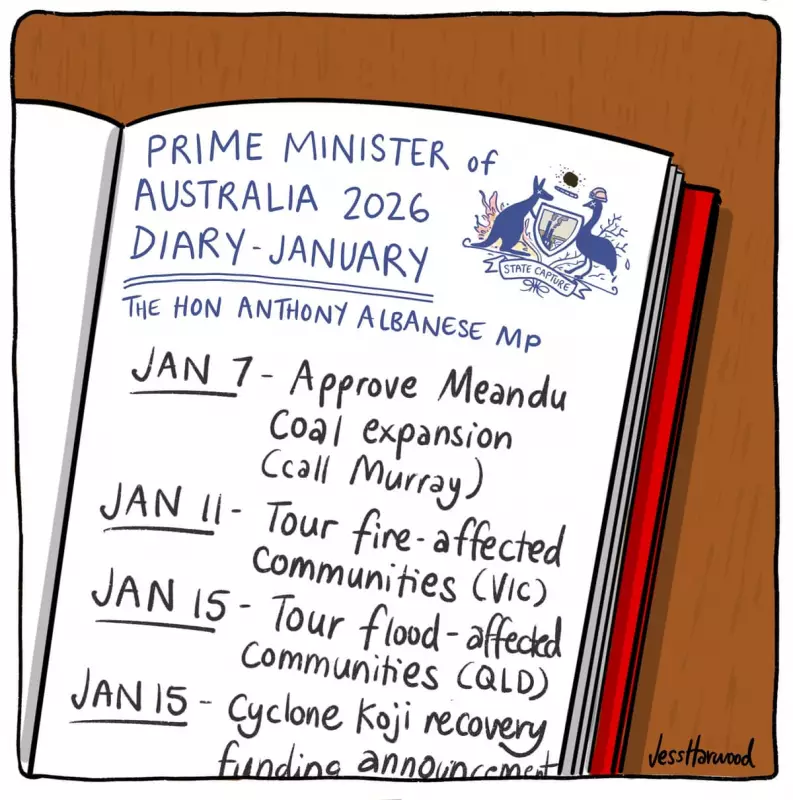
Prime Minister Anthony Albanese has overseen a remarkably active period for his government's environmental agenda, with a flurry of announcements and actions marking a significant push on green issues. The past month has seen a concerted effort to translate election promises into tangible policy, focusing on climate targets, conservation, and the nation's energy transition.
A Flurry of Policy Announcements
The government's activity has spanned multiple fronts. Key among the moves has been the formalisation of more ambitious emissions reduction targets, aligning Australia more closely with international partners. This includes a renewed commitment to the Paris Agreement goals and a roadmap for the energy sector.
Alongside this, there has been progress on safeguarding natural habitats, with new funding announced for the protection of threatened species and critical ecosystems. The government has also moved to accelerate approvals for major renewable energy projects, aiming to fast-track solar and wind farms as part of a broader strategy to boost clean energy generation.
Focus on Implementation and International Standing
This busy period appears designed to demonstrate not just announcement, but implementation. After criticisms of slow progress, the Albanese government is now showcasing a pipeline of environmental action. This is seen as crucial for rebuilding Australia's reputation on the world stage following years of international criticism over climate policy.
The Prime Minister has personally championed these efforts, linking the environmental push to economic opportunity, particularly in regions poised to benefit from renewable investment. The message consistently ties climate action to job creation and energy security, framing it as an essential economic reform as much as an environmental one.
Reactions and the Road Ahead
The reaction from stakeholders has been mixed. Environmental groups have welcomed the increased pace and ambition but continue to call for even faster action, particularly on fossil fuel projects. The opposition and some industry voices have raised concerns about the economic impact and the speed of the transition, setting the stage for ongoing political debate.
Analysts suggest this concentrated month of activity is a strategic attempt to build momentum and create a sense of irreversible change in the nation's environmental policy settings. The challenge for Albanese will be maintaining this pace and delivering concrete outcomes that match the rhetoric.
The coming months will be critical in determining whether this busy period marks a genuine turning point or a short-lived surge. The success of these initiatives will be measured by their real-world impact on emissions, biodiversity, and the clean energy rollout.



