
Adam Bandt's Transition from Politics to Environmental Leadership
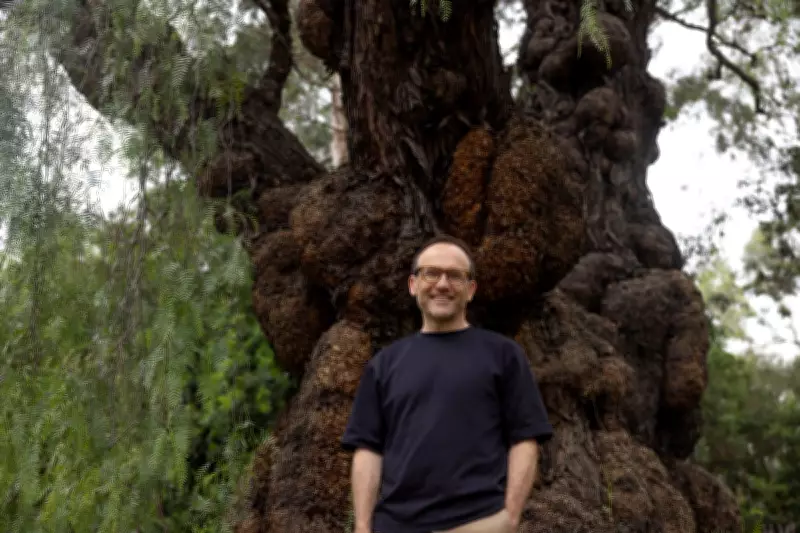
Adam Bandt, the former leader of the Australian Greens, has embarked on a new chapter as the Chief Executive Officer of the Australian Conservation Foundation (ACF). This appointment, announced in September and effective from January, marks a significant shift for both Bandt and one of Australia's oldest and largest environmental advocacy groups. Bandt emphasizes that the core mission remains unchanged: "Nature and the climate aren't winning fast enough and we need to step up."
Leaving Party Politics Behind
Following his unexpected defeat in the May federal election, Bandt made a definitive decision to exit party politics. Despite suggestions from friends and colleagues to consider a return to parliament in 2028, either to his former seat of Melbourne or the Senate, Bandt firmly declined. "I obviously gave that thought, but no," he stated from his inner Melbourne office. "You have to be more than fully committed to do that, and I've climbed that mountain. I just can't see it now."
After a period of reflection, including a family camping trip in South Australia's Flinders Ranges and a brief return to employment law, Bandt pursued the ACF role. His pitch centered on building "a movement that is so big that governments and corporations can't ignore us, and in fact, they want to be associated with us."
Processing the Election Loss
Bandt's election loss to Labor's Sarah Witty was a personal blow. He described it as "hurt at a personal level," feeling he had let down supporters who viewed him as a custodian of their hopes for climate action. The defeat, attributed by analysts to factors like electoral redistribution and shifts in voter preferences, led Bandt to focus on his family, fitness, and even consulting a sleep doctor for rest.
He narrowed his future options to three paths: politics, law, or climate campaigning, ultimately choosing the latter. Bandt deflects questions on the Greens' future, noting anecdotal feedback from voters who prioritized preventing Peter Dutton from becoming prime minister, even if it meant backing Labor.
ACF's Direction Under New Leadership
Bandt's appointment raised eyebrows, with some questioning whether ACF might become an offshoot of the Greens. The foundation has had no direct affiliation with the party, and under previous CEO Kelly O'Shanassy, it maintained a low public profile while engaging in sharp criticism of government policies, including taking legal action over fossil fuel approvals.
Bandt downplays any major shift, asserting that ACF's view aligns with his own: the need for accelerated action on climate and nature. He highlights the influence of big corporations on governance, citing examples like Western Australian Premier Roger Cook's intervention on behalf of the mining industry to halt environmental law deals. "Governments listen to big corporations more than they do to nature and climate-conscious voters," Bandt says, emphasizing the need to alter this dynamic.
Building a People-Powered Movement
To drive change, Bandt plans to expand ACF's reach through innovative campaigns, including a social media strategy inspired by figures like New York's Zohran Mamdani. Initiatives like posters asking "Have you seen Adam Bandt?" and video appeals aim to foster a vibrant, engaging movement. "We need to be fun and be a movement that people want to be a part of," Bandt notes, even hinting at DJ sets at festivals to connect with supporters.
With over 500,000 supporters but only about 5,200 formal members, ACF faces competition for funding. Bandt stresses the importance of building grassroots support through both traditional methods and new experiments, aiming to make environmental activism appealing and effective.
Non-Partisan Advocacy and Government Relations
As a registered charity, ACF must remain non-partisan. Bandt confirms his Greens membership will lapse, and he won't participate in election campaigning. He praises Climate Change Minister Chris Bowen for collaborative work on legislation, particularly on renewables rollout, while sharply criticizing the government's approval of coal and gas expansions.
Bandt acknowledges that many Australians may not oppose fossil fuel exports, but he sees his role as shifting public opinion. "Our job is to communicate that these coal and gas exports are what are fuelling the climate crisis," he says, advocating for a louder, more mobilized movement to address environmental challenges.



