
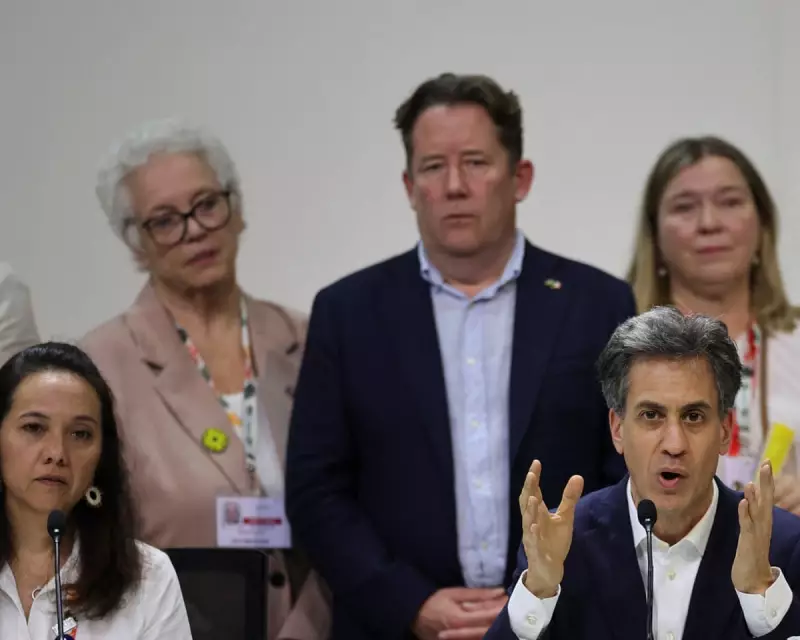
In a powerful display of global unity, more than 80 nations have issued a dramatic intervention at the UN Cop30 climate summit in Belém, demanding a clear roadmap for phasing out fossil fuels.
A Global Coalition for Change
Countries spanning Africa, Asia, Latin America, the Pacific, and Europe joined forces with the UK and EU member states to make an impassioned plea. They are urging for the transition away from fossil fuels to become a central outcome of the negotiations, facing significant opposition from petrostates and other major economies.
Tina Stege, the climate envoy for the Marshall Islands, stood alongside ministers from 20 countries at a packed press conference. She declared, “Let’s get behind the idea of a fossil fuel roadmap, let’s work together and make it a plan.” The move was hailed by campaigners as a potential turning point for the summit.
Overcoming Stalled Negotiations
This call comes after attempts to build on the key Cop28 commitment to "transition away from fossil fuels" failed at last year's talks in Baku. At Cop30, the Brazilian hosts initially excluded the phrase from the official agenda and key behind-the-scenes consultations.
Ed Miliband, the UK’s Energy Secretary, emphasised the coalition's resolve at the press conference: “This is a global coalition, with global north and global south countries coming together and saying with one voice: this is an issue which cannot be swept under the carpet.” UK climate envoy Rachel Kyte added that a roadmap is essential to implement the promises made at Cop28.
The Road Ahead and Potential Obstacles
In a surprising move, the Brazilian presidency later introduced a draft text that included the roadmap as an option. However, some nations, like Vanuatu, have called for a stronger, more action-oriented text with measurable targets.
Supporters stress that the roadmap would acknowledge different national circumstances while setting a unified path. Despite having majority support, the consensus-based UN process means opposition from a handful of petrostates like Saudi Arabia and Russia could still block progress. The world now watches as Brazil revises the text, with the future of global climate action hanging in the balance.



