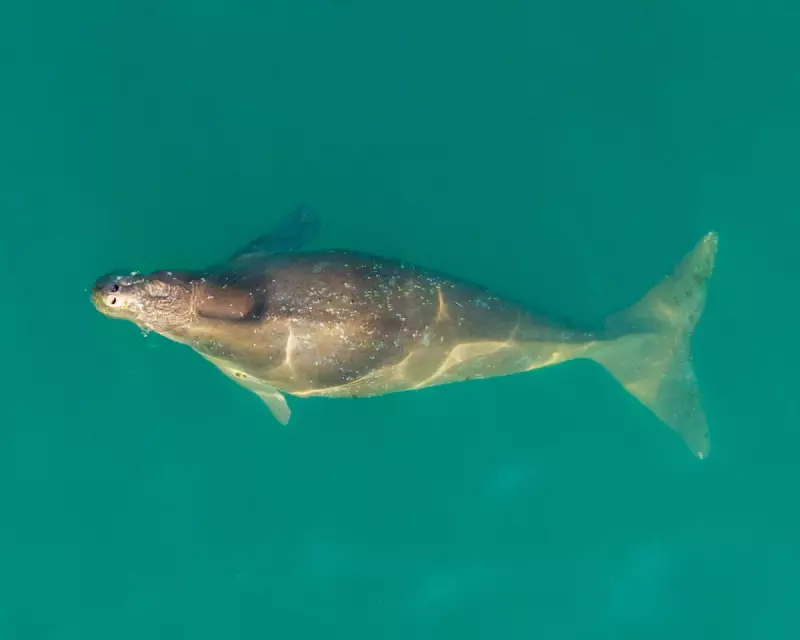
Thailand's Endangered Dugong Population Faces Alarming Decline
Thailand's Andaman Coast, home to one of the world's largest dugong populations, is witnessing a disturbing trend as increasing numbers of these endangered marine mammals, affectionately known as sea cows, are washing ashore dead or stranded. Recent estimates suggest the local population may have plummeted by more than half, raising urgent concerns among conservation experts and marine biologists.
The Andaman Coast's Dugong Crisis
As of 2022, approximately 273 dugongs were estimated to inhabit Thailand's Andaman Coast waters, representing a significant concentration of these gentle marine herbivores. However, recent observations indicate a dramatic population decline, with experts warning that numbers may have fallen substantially below previous counts. The increasing frequency of dead or stranded dugongs appearing on beaches serves as a visible indicator of a deeper ecological crisis unfolding beneath the waves.
Investigating the Underlying Causes
The presence of dugongs in Phuket's Tang Khen Bay, where photographer Theerasak Saksritawee documents their plight using drone technology, actually signals a troubling development. Typically, the majority of Thailand's dugong population resides approximately 62 miles away in Trang province, where extensive seagrass meadows provide their primary food source. The migration of these animals to Phuket suggests they are traveling increasingly greater distances in search of nourishment.

Scientists have identified a significant die-off of seagrass beds as a primary factor driving this behavioral change. While initial theories considered whether elevated sea temperatures might have triggered this vegetation loss, similar to coral bleaching events observed globally, Thailand's Andaman Sea actually experienced cooler-than-normal temperatures in 2023. By the time unseasonably warm waters arrived in mid-2024, the dugong strandings were already occurring at alarming rates.
Complex Environmental Factors at Play
Marine researchers believe the seagrass die-off likely results from multiple interconnected environmental pressures rather than a single cause. Potential contributing factors include:
- Reduced light penetration due to increased silt in the water
- Various forms of marine pollution affecting water quality
- Dredging activities disturbing seabed ecosystems
- Elevated nutrient levels in the marine environment
- Extreme temperature fluctuations in sea waters
- Increased daytime tidal exposure affecting seagrass growth
Local Conservation Efforts and Challenges
Photographer Theerasak Saksritawee, known locally as Pop, has dedicated himself to raising awareness about dugongs through captivating aerial imagery shared with his 26,000 Instagram followers. He notes that conservation attention often focuses on more charismatic marine species like sea turtles and dolphins, leaving dugongs relatively overlooked. "Some people can't even tell where a dugong's eyes are," he observes, highlighting the need for greater public education about these unique creatures.
The story of Miracle, the lone dugong remaining in Tang Khen Bay as of late 2025, illustrates the complex social dynamics within dugong populations. Once sharing the bay with up to 12 other individuals, Miracle has become territorial, chasing away competitors to monopolize the remaining seagrass resources. His name derives from having been rescued twice from beach strandings, yet his solitary existence reflects the broader population decline.
Global Conservation Context
The recent implementation of the United Nations' high seas treaty offers hope for addressing marine biodiversity crises on a global scale. This international agreement aims to establish legal protections and sustainable management practices for marine life in the two-thirds of ocean waters beyond national jurisdictions. Such measures support the global target of protecting 30% of the world's oceans by 2030, potentially benefiting threatened species like dugongs through improved marine ecosystem management.

Cultural Recognition and Conservation Potential
During visits to Phuket's tourist areas, observers have noted minimal cultural representation of dugongs among local souvenirs and merchandise. The discovery of just one cartoonish dugong pin among countless tourist trinkets suggests these animals have yet to capture public imagination in ways that might drive conservation support. Increased cultural visibility could potentially enhance protection efforts by fostering greater public engagement with dugong conservation issues.
The plight of Thailand's dugongs serves as a poignant indicator of broader marine ecosystem health, with their declining numbers sounding a warning about the interconnected challenges facing our oceans. As these gentle sea cows continue to wash ashore, they bring with them urgent messages about the need for comprehensive marine conservation strategies that address both local environmental pressures and global biodiversity crises.