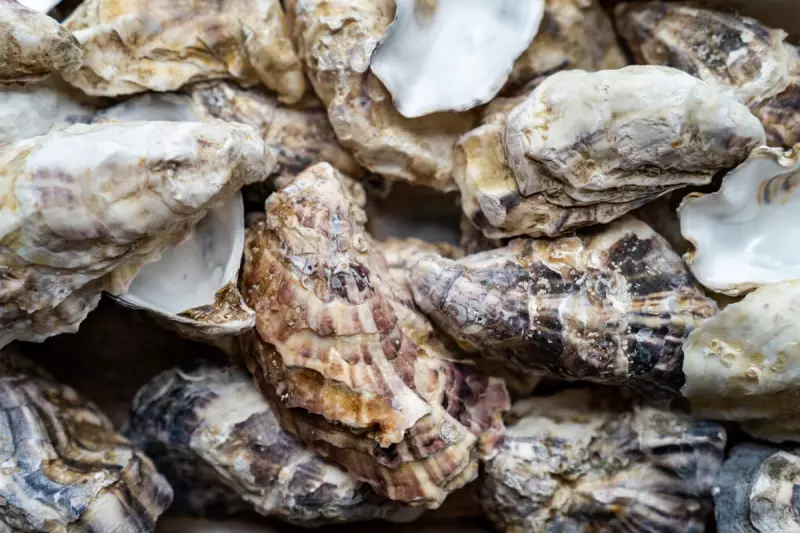
In an innovative response to a devastating marine crisis, South Australians are being encouraged to indulge in a culinary delight for a cause: eating locally sourced oysters and donating the empty shells to a major reef restoration project.
From Plate to Reef: A Community-Driven Solution
The initiative forms a key part of the fight against a severe toxic algal bloom that has wreaked havoc along the SA coastline, littering beaches with dead fish and marine life in what has been described as an underwater bushfire. The state government, alongside researchers, is now mobilising the public to help restore native oyster reefs, which are natural water purifiers.
Dr Dominic McAfee, a marine ecologist at the University of Adelaide, explained the scale of historical loss. Before colonisation, an estimated 1,500 kilometres of oyster reefs lined the SA coast. However, centuries of dredging have left them "broken, forgotten, and functionally extinct."

The science behind the push is compelling. A single oyster can filter approximately 100 litres of water each day. Therefore, rebuilding large reefs can dramatically improve ocean water quality and clarity, directly combating the conditions that fuel harmful algal blooms.
The Sound of Success: Snapping Shrimp and Sun-Baked Shells
The restoration technique is multifaceted. Donated oyster shells are cleaned, sterilised through sunbaking, and placed on the seafloor in biodegradable cages. These shells provide the essential substrate, or foundation, that baby oysters—known as spats—need to settle on and build a reef.
To attract these spats, researchers are deploying an ingenious acoustic lure. Underwater speakers play the crackling soundtrack of a healthy reef, featuring snapping shrimp. Dr McAfee's team has proven that this sound dramatically increases the number of oysters settling per metre. "We built an 8-metre 'oyster raceway' and played that crackling sound, and the baby oysters were drawn to it," he said.
The program also involves sinking lumps of limestone to create further reef structures. As the oysters grow, they produce a cement-like substance that binds the entire reef together.
Community Healing from Eco-Anxiety
For a community distressed by the environmental devastation, the project offers a tangible way to help. SA's Climate, Environment and Water Minister, Lucy Hood, acknowledged the public's "deep sense of grief and sadness" and stated the shell donation plan allows people to find agency and purpose.
"People can enjoy eating beautiful SA oysters then recycle those shells to provide this biodegradable, natural substrate, which is what oysters historically used to build reefs," Dr McAfee emphasised.
The government is funding the creation of 25 community reefs using donated shells, alongside four larger-scale limestone reefs. Minister Hood added that restoring these wild oyster reefs filters water, creates habitats, restores seagrasses, and boosts biodiversity and fish stocks.
In a parallel project with the charity OzFish, volunteers will collect seagrass seeds to be sown into hessian bags and placed on the ocean floor, aiding in the recovery of vital seagrass meadows.
While the bloom initially sparked fears it would worsen over summer, testing revealed the dominant algae species (Karenia cristata) prefers cooler waters, offering some hope. Minister Hood noted that chlorophyll-a levels, indicating algae concentration, have reduced, leaving her "cautiously optimistic."
These projects are part of a joint state and federal summer action plan for community recovery and ongoing research. South Australians keen to participate or donate shells can find details on the government's dedicated algal bloom response website.