Deepwater Expedition Uncovers Over 110 New Marine Species in Coral Sea
Marine scientists have made a groundbreaking discovery during a 35-day research voyage in the Coral Sea, identifying more than 110 new fish and invertebrate species in Australia's largest marine protected area. The expedition, which took place aboard the CSIRO's Investigator research vessel, has revealed an astonishing array of previously unknown marine life in waters ranging from 200 meters to 3 kilometers deep.
Unprecedented Biodiversity Discovery
The newly discovered species include brittlestars, crabs, sea anemones, sponges, and several new shark and ray species. Dr. Will White, the CSIRO voyage chief scientist and shark expert, stated that the expedition was specifically designed to investigate the area's deepwater biodiversity, for which there had been "very limited data" previously available.
"We believe the total number of new species could exceed 200 as more specimens are identified," said White, highlighting the significance of the discovery. The specimens were collected during what White described as "likely the largest taxonomic workshops of marine animals ever undertaken in Australia."

Remarkable New Species Identified
Among the most notable discoveries were four new species identified by Dr. White himself:
- A new skate species (genus Dipturus) characterized by its light grey color, long snout, and distinctive thorns around the eyes
- A new ray species found on the Kenn Plateau, approximately halfway between Australia and New Caledonia, belonging to the stingaree genus Urolophus
- A new deepwater catshark (genus Apristurus) described as "very dark-bodied, almost flabby" with numerous small teeth
- A new chimaera, also known as a ghost shark or rat fish, featuring a rat-like tail and prominent spine above the dorsal fin
Invertebrate Discoveries and Scientific Process
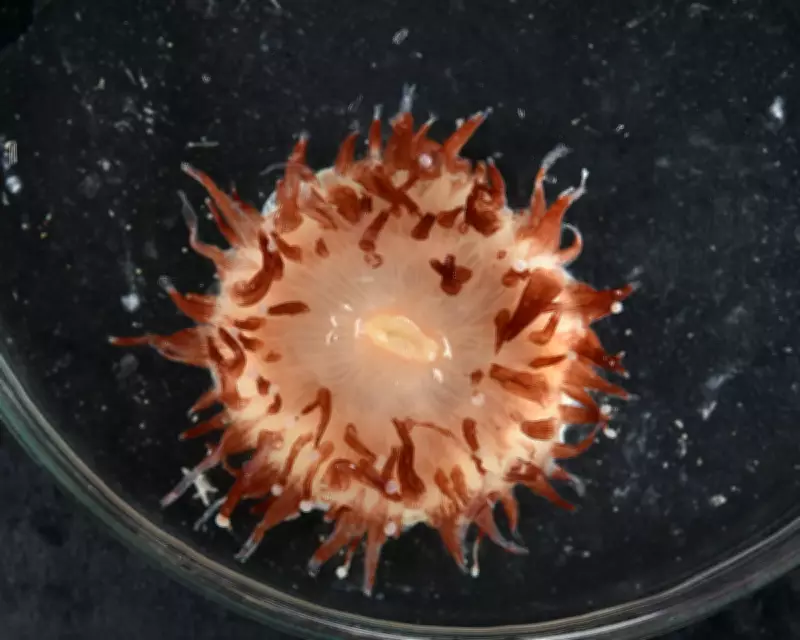
Dr. Claire Rowe, marine invertebrates collection manager at the Australian Museum, explained that invertebrate specialists aboard the Investigator photographed and collected tissue samples from the newly discovered animals. "There does look like there's some new species of anemones, which is quite exciting," she noted, adding that many invertebrates are cryptic and difficult to identify based solely on physical characteristics.
Scientists are currently conducting further genetic testing from the tissue samples to confirm which collected specimens represent species new to science. The expedition traveled as far as Mellish Reef, approximately 1,000 kilometers off the Queensland coast, collecting specimens that have since been distributed to collections across Australia.
Importance of Deepwater Exploration
Rowe emphasized the critical importance of such marine expeditions, stating that "so little is known about the deep sea." She explained, "It's such an unexplored area, and with so many threats to our ocean, such as overfishing and climate change and deep sea mining, we need to understand what's out there before it's lost."
The Coral Sea marine park spans nearly one million square kilometers to the east of the Great Barrier Reef and represents Australia's largest marine protected area. Climate scientists have noted that the Coral Sea is now almost half a degree warmer than it was 30 to 40 years ago, with sea surface temperatures reaching record highs over both the last summer and calendar year.
Scientific Legacy and Future Research
Samples from the historic voyage have been shared with institutions across Australia, including the CSIRO, the Australian Museum, and various state museums. This distribution ensures that the discoveries will contribute to ongoing marine research and conservation efforts for years to come.
The expedition's findings highlight the incredible biodiversity still waiting to be discovered in Earth's oceans, particularly in deepwater environments that remain largely unexplored. As scientists continue to analyze the collected specimens, they anticipate that the total number of new species identified from this single voyage will continue to grow, potentially exceeding initial estimates and providing valuable insights into marine ecosystems facing increasing environmental pressures.