In today's disposable culture, many household items are discarded prematurely due to minor flaws like a stuck zipper, wobbly chair, or small hole in jeans. However, with a bit of effort and basic tools, these common issues can be easily repaired, saving money and reducing environmental waste. This article compiles nine straightforward DIY remedies from experts, empowering you to extend the life of your belongings without professional help.
The Rise of Visible Mending and Repair Culture
Fixing items yourself is not just about saving money; it's part of a growing movement against treating everything as disposable. Katrina Rodabaugh, a textile artist and author, emphasizes that mending can be a creative act. "The lightbulb moment for me was realizing I could make mending a creative act," she says. "I was less worried about ruining my textiles and more interested to see how I could be resourceful, make a creative statement and keep my clothes out of the landfill." This mindset shift encourages individuals to view repairs as opportunities for innovation and sustainability.
Essential DIY Repair Kits for Beginners
Before diving into specific fixes, having the right tools on hand can make all the difference. Here are some affordable kits to consider:

- For patching jeans: A sewing kit with needle, thread, and safety pins, available for around $6.99.
- For headphone cable repair: A soldering kit priced at approximately $19.99.
- For loose eyeglass screws: An eyeglass repair kit with replacement screws and a magnifying glass, costing about $3.49.
Detailed Repair Solutions for Common Problems
1. Stuck Zipper
Often, a stuck zipper is caused by fabric caught in the teeth. Use tweezers or needle-nose pliers to gently free it without tearing. If the zipper moves but won't stay closed, the slider may be stretched; squeeze it with pliers to adjust the tension. For completely stuck sliders, rub a graphite pencil along the teeth to lubricate them. Rodabaugh advises addressing issues early to prevent further damage.
2. Wobbly Wooden Chair Legs
Wobbly chairs are a common issue that can be fixed with cyanoacrylate glue, such as Wonderlok 'Em Tite Chairs. Thomas Johnson, an antique furniture restorer, explains that loose joints cause wobbling. Apply the glue to gaps where legs meet the seat, work it in, and hold for 30 seconds. Allow it to cure for an hour before use. If wobbling persists, check for uneven floors.
3. Patching Jeans
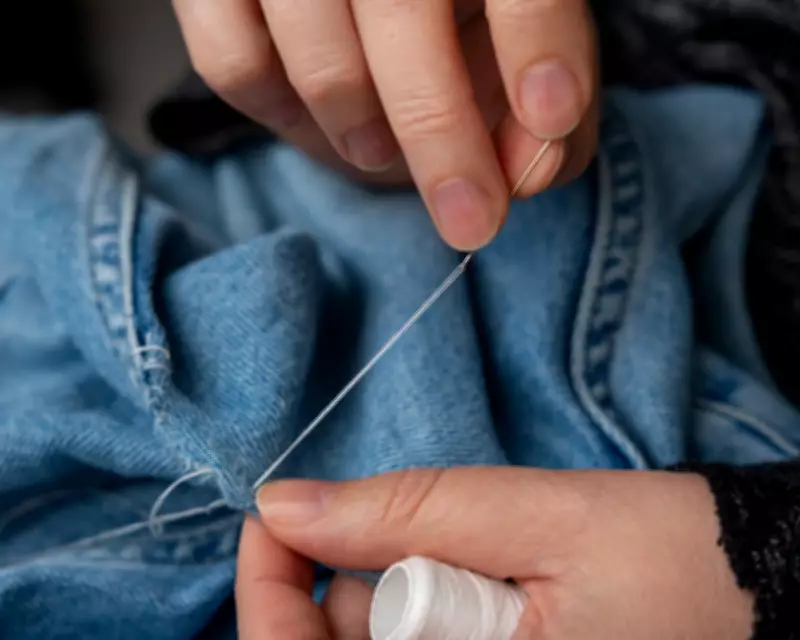
A hole in jeans doesn't mean they're ruined. Cut a patch from scrap denim, pin it over the hole, and stitch around the edges. Rodabaugh recommends using matching materials and decorative stitching for visible mending, turning repairs into design elements.
4. Stuck Drawer
Drawers that bind often need waxing. Clean the slides, then rub paste wax or an old candle on wood surfaces. Avoid using oil, which attracts dirt. If binding continues, lightly sand high spots caused by humidity.
5. Small Holes in Knitted Sweaters
Darning is a traditional technique for repairing knitwear. Use yarn matching the sweater's weight to weave over and under across the hole. Extend repairs beyond the damaged area to ensure durability. Experiment with contrasting colors for a creative touch.
6. Broken Toaster Lever
When a toaster lever won't stay down, crumbs are often the culprit. Unplug the toaster, shake out debris, and clean with compressed air. For persistent issues, open the shell to clean the electromagnet mechanism with rubbing alcohol.
7. Headphone Cable Repair
Frayed cables can be fixed with soldering. Cut above the damaged section, strip wires, and solder them to a replacement plug. Elizabeth Chamberlain of iFixit notes this is a beginner-friendly project that extends headphone life.
8. Leather Boot Conditioning
Leather boots can be revived with regular conditioning. Use a horsehair brush and leather conditioner to moisturize and prevent cracking. For deep cleaning, saddle soap can be used cautiously. Cedar shoe trees help maintain shape and absorb moisture.

9. Loose Eyeglass Screws
Loose screws in eyeglasses can be tightened with a repair kit. Apply threadlocker or clear nail polish to prevent re-loosening. For lost screws, many opticians offer free replacements.
Conclusion: Embracing a Sustainable Lifestyle
These nine DIY repairs demonstrate that with minimal tools and confidence, you can salvage everyday items, reduce waste, and save money. By adopting a repair mindset, you contribute to a more sustainable future while enjoying the satisfaction of fixing things yourself. Start with simple projects and gradually build your skills for more complex repairs.