The New Zealand government has declared war on feral cats, officially adding them to its ambitious Predator-Free 2050 target species list in a move described as filling a glaring hole in the country's conservation strategy.
Conservation Minister Tama Potaka announced the significant policy expansion on Friday, marking the first addition to the world-leading predator eradication programme since its establishment in 2016. The decision follows years of heated debate and public controversy surrounding cat management in the wildlife-conscious nation.
The Scale of the Feral Cat Problem
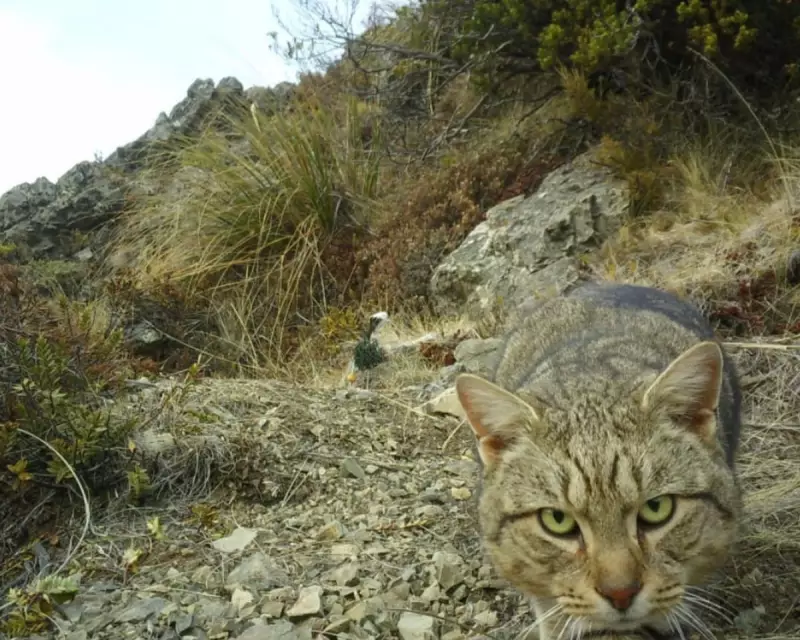
New Zealand faces a substantial challenge with an estimated 2.5 million feral cats roaming its bushlands and offshore islands. These animals are far from the domestic pets people keep in their homes - they can grow up to a metre long including their tail and weigh as much as 7kg.

The ecological damage caused by these predators has been devastating to native species. Conservation officials report that feral cats have hunted the Pukunui, or Southern dotterel, on Rakiura Stewart Island to the brink of extinction. They've also been responsible for killing native bats near Mount Ruapehu, further threatening New Zealand's unique biodiversity.
Minister Potaka didn't mince words when describing the threat, calling feral cats stone-cold killers that would now join other targeted mammals including ferrets, stoats, weasels, rats and possums on the eradication list.
Coordinated National Strategy
While feral cats are already caught and killed in some local areas, their inclusion in the Predator-Free 2050 strategy means they will now be subject to coordinated nationwide targeting. This includes large-scale eradication programmes and dedicated research efforts to develop more effective control methods.
The government plans to release more detailed implementation plans in March 2026, outlining the specific approaches and resources that will be deployed against the feral cat population.
Potaka emphasised the necessity of the move, stating: In order to boost biodiversity, to boost heritage landscape and to boost the type of place we want to see, we've got to get rid of some of these killers.
Public Response and Humane Concerns
The inclusion of feral cats represents the culmination of years of campaigning by environmental advocates, though it has historically faced significant public opposition. The nation's complicated relationship with cats was highlighted in 2013 when environmentalist Gareth Morgan launched his controversial Cats to Go campaign, which was met with public horror.
Previous attempts at feral cat control, including a competition encouraging children to shoot the animals, drew strong pushback from animal rights organisations. However, recent public sentiment appears to be shifting, with the Department of Conservation reporting that 90% of feedback on its draft strategy supported either including feral cats on the target list or better management of cats in general.
The SPCA has expressed concerns about the humane aspects of the eradication programme. Scientific officer Christine Sumner stated: We're talking about removing them from an environment, and this is currently done by lethal means, which we're not happy with. That's the biggest challenge.
Both the SPCA and the National Cat Management Group are advocating for increased funding towards developing more humane control methods while also pushing for national cat management legislation that includes mandatory microchipping and desexing of domestic cats.
Gareth Morgan, whose earlier campaign sparked national debate, welcomed the government's decision but emphasised the need for policy changes to make the strategy effective in reality. It was a glaring omission not to include feral cats to begin with, he noted.
The debate continues around domestic cats, which aren't included in the current strategy despite being considered a serious threat to biodiversity. New Zealand has one of the highest rates of household cat ownership globally, with patchy regulations governing pet management across different regions.