Groundbreaking Survey Reveals Hidden Wildlife in Cambodia's Karst Caves
A comprehensive survey conducted in the limestone caves of Cambodia has unveiled a remarkable array of wildlife, including several species never before documented. This significant discovery underscores the rich biodiversity hidden within the country's karst ecosystems, which are characterized by rocky hills and extensive caverns.
International Collaboration Leads to Major Findings
The survey was spearheaded by the international wildlife conservation charity Fauna & Flora, in partnership with Cambodia's environment ministry and a team of field experts. Over the course of the study, researchers explored more than 60 caves across 10 hills in Battambang province, located in western Cambodia. This collaborative effort has provided invaluable insights into the unique habitats formed by the dissolving of limestone rock, which feature large cave springs, sinkholes, and sinking streams.
New Species Discovered: From Geckos to Pit Vipers
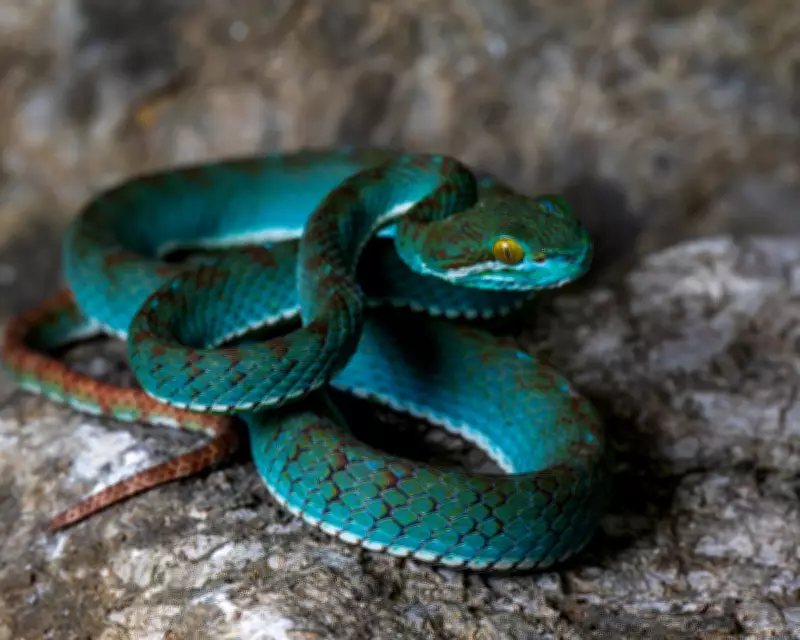
Among the most exciting discoveries are three new species of geckos, each with distinct characteristics. For instance, the Battambang leaf-toed gecko, scientifically named Dixonius noctivagus (meaning 'night wanderer'), is adorned with tiny leopard-like spots. Additionally, the survey identified a new species of pit viper from the Trimeresurus genus, a highly venomous snake that uses heat-sensitive pits behind its nostrils to track warm-blooded prey. Other findings include the striped Kamping Poi bent-toed gecko, with four populations that may represent separate species due to evolutionary isolation, and the karst-dwelling gecko shiva, previously known only from Thailand and now recorded in Cambodia for the first time.

Diverse Wildlife in Karst Habitats
The survey also documented a variety of other species, highlighting the ecological diversity of these caves. These include two millipede species, such as the vividly colored Orthomorpha battambangiensis, whose bright hues likely serve as a warning to predators. Larger animals like the reticulated python, the world's longest snake, and the ornate flying snake, known for its gliding abilities, were also observed. Amphibians like the brown tree frog, noted for its unique nesting behavior, further emphasize the complexity of these ecosystems.
Implications for Conservation and Future Research
This survey not only adds to the scientific understanding of Cambodia's biodiversity but also highlights the urgent need for conservation efforts in karst landscapes. The discovery of new species, particularly in isolated formations, suggests that many more may remain undiscovered. Researchers, including Dr. Lee Grismer from La Sierra University in the US and Dr. Evan Quah from University Malaysia Sabah, emphasize the importance of continued genetic analyses and field studies to protect these fragile habitats from threats such as habitat loss and climate change.
In summary, the findings from this survey reveal the hidden treasures of Cambodia's karst caves, offering a glimpse into a world of unique wildlife and underscoring the critical role of international collaboration in biodiversity conservation. As exploration continues, these discoveries pave the way for enhanced protection measures and further scientific inquiry into one of Southeast Asia's most enigmatic ecosystems.