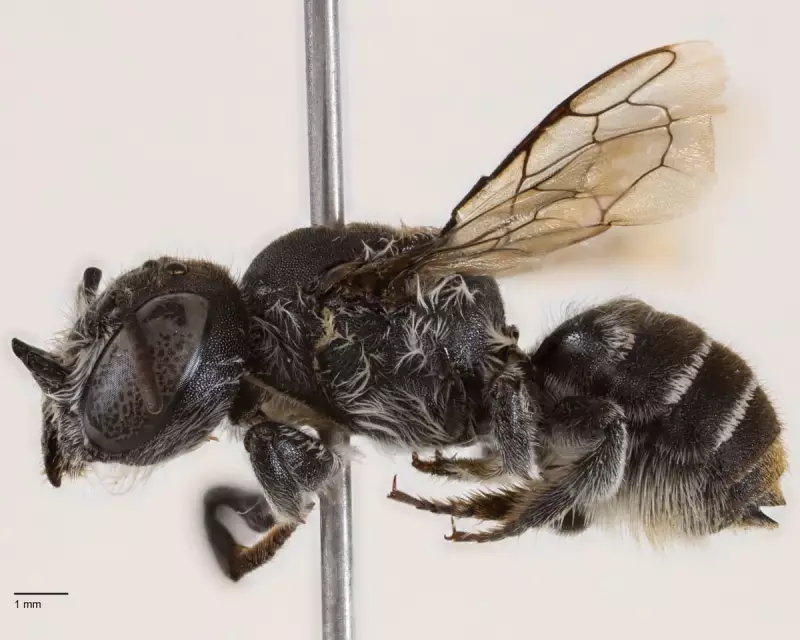
In an exciting development for entomology, a remarkable new bee species with distinctive devil-like horns has been identified in Western Australia.
The Devilish Discovery
Dr Kit Prendergast from Curtin University's School of Molecular and Life Sciences made the extraordinary find while conducting surveys of a critically endangered wildflower in 2019. The researcher immediately noticed the insect's unique physical characteristics that set it apart from known bee species.
The female specimen displayed remarkable facial features that inspired its memorable name. "The female had these incredible little horns on her face," Dr Prendergast explained, noting how the unusual appearance reminded her of the Netflix series Lucifer.

Scientific Significance
The newly identified species, officially named Megachile (Hackeriapis) lucifer, represents a major breakthrough in bee taxonomy. This marks the first new member of this bee group to be described in over two decades, demonstrating how much biodiversity remains undocumented despite extensive scientific research.
Dr Prendergast emphasised the importance of this discovery for understanding global insect populations. "It really shows how much life we still have to discover," she stated, highlighting the potential for many more unknown species awaiting identification.
Conservation Implications
The discovery raises crucial questions about conservation practices, particularly in regions affected by industrial activity like mining. Dr Prendergast expressed concern that many mining companies fail to conduct proper surveys for native bees, potentially missing undocumented species that play vital ecological roles.
"Without knowing which native bees exist and what plants they depend on, we risk losing both before we even realise they're there," she warned. This underscores the delicate interdependence between pollinators and flowering plants, with nearly all flowering species relying on wild pollinators like bees for reproduction.
The research highlights growing concerns about habitat loss and climate change driving essential pollinator species toward extinction. The discovery of Megachile (Hackeriapis) lucifer serves as both a celebration of biodiversity and a urgent reminder of the need for comprehensive environmental surveys before industrial development.