Wales's Biodiversity in 'Precarious Position' as Nearly 3,000 Species Face Extinction Risk
A groundbreaking report has delivered a sobering assessment of Wales's natural heritage, revealing that almost 3,000 species are clinging to survival in just a handful of locations across the country. The 'Species in Peril' study from Natural Resources Wales (NRW) represents the first UK-wide effort to identify the rarest species based on their extremely limited geographical range.
The comprehensive analysis found that 2,955 terrestrial and freshwater species are at serious risk of disappearing from Wales because they are confined to five locations or fewer. Alarmingly, the report confirms that since the year 2000, 11 species have already been lost to Wales, including the once-familiar turtle dove and the belted beauty moth.
Iconic Species on the Brink
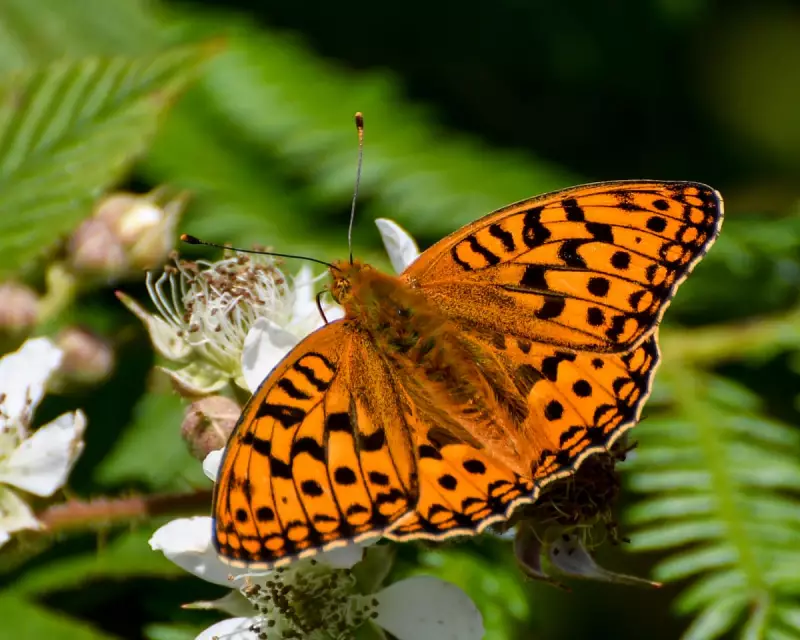
Among the vulnerable species are some of Wales's most beloved wildlife. Twenty-five bird species, including the black grouse, find themselves in peril alongside five fish species, six mammals, and the natterjack toad - Wales's only amphibian on the list. The high brown fritillary butterfly, a particularly beautiful insect, also features among the threatened species.

Mammals facing an uncertain future include five bat species, such as Bechstein's bat which is now restricted to the Wye valley in south-east Wales. The Skomer vole, which lives exclusively on Skomer island off the south-west coast, also appears on the concerning list. In total, the report identifies more than 2,000 invertebrates, 309 fungi and 321 lichens at risk of vanishing from the Welsh landscape.
Local Pressures and Conservation Solutions
Professor Steve Ormerod of Cardiff University and NRW explained that while the climate emergency and agricultural intensification contribute to the wider environmental crisis, species with restricted distributions face more immediate, localised threats. These include woodland management practices that remove trees or deadwood, changes to water levels in peatlands, and pollution in ponds, lakes or streams.
Despite the grim statistics, the report carries a message of hope. It emphasises that safeguarding and enhancing populations of most species in peril requires relatively modest financial investment. In many cases, positive outcomes can be achieved through simple adjustments to existing land management, such as strategic vegetation strimming to create more open conditions.
Professor Ormerod noted: "We can glimpse hope through the conservation actions under way: scrub clearance, the remobilisation of sand dunes, positive habitat management for invertebrates, captive rearing and release, enhanced biosecurity on islands."
One successful example highlighted in the report involves the introduction of goats to graze at Stanner Rocks in Powys, which has helped preserve rare plants including the Radnor lily. The analysis also identified important conservation hotspots, with Newborough Forest and Warren on Anglesey supporting 130 species judged to be in peril.
The report shows that woodland, parkland and scrub ecosystems support the highest number of at-risk species at nearly a third (1,076 species), followed by grassland (531) and peatland (356). Mary Lewis, head of natural resource management policy at NRW, stressed the urgency of action: "This report makes it clear that we aren't simply at risk of seeing species going extinct in Wales, it's already happening. As a country, we need to take the threat seriously."
She added that with three-quarters of these species located on protected sites, Wales already has the framework necessary to implement effective conservation measures that could prevent further losses.