Mass Seabird Starvation Crisis Hits European Coasts in Largest 'Wreck' in a Decade
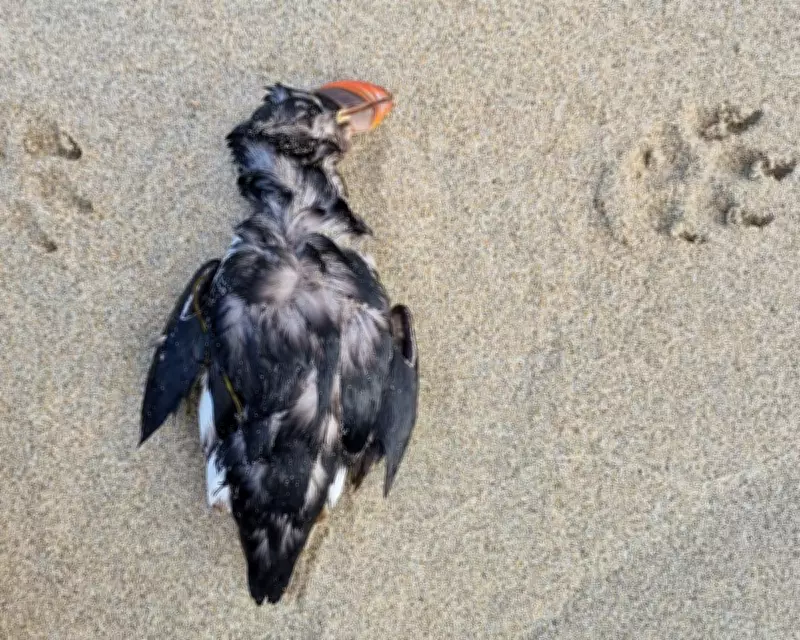
In a grim scene on a damp February morning, two puffins lay dead among seaweed and plastic debris on a beach in Newquay, Cornwall. Their breast bones protruded, muscles wasted, with no fat reserves—clear signs of starvation. These charismatic birds, which normally draw crowds of tourists for their courtship displays, were instead rolling lifeless in the surf, largely unnoticed by passersby.
A Widespread Ecological Disaster
This tragic discovery is part of a much larger crisis unfolding across Europe. Tens of thousands of seabirds have washed ashore in recent weeks, creating the most significant seabird "wreck"—a term for mass strandings of dead or exhausted birds—in a decade. Reports span thousands of miles of coastline, from southern Portugal to the northern tip of Scotland.
Rebecca Allen of the Cornwall Wildlife Trust, who found the puffins during a morning run, described the sight as "really sad." She emphasized the severity of the situation, noting that by late February, over 300 puffins had washed up in Cornwall alone, alongside guillemots, razorbills, and terns. Typically, the region sees only 40 to 100 such reports annually.
The Role of Atlantic Storms
The primary cause of this catastrophe is believed to be starvation, driven by a series of severe Atlantic storms—including Goretti, Ingrid, and Chandra—that have battered coastlines since January. These storms disrupt the birds' ability to hunt, particularly for puffins, which rely on clear water to spot prey. Rough seas make foraging nearly impossible, leading to widespread malnutrition and death.
Samuel Wrobel, senior marine policy officer at the RSPB, warns that the numbers found on beaches are likely "a fraction of those that are still out at sea." The death toll this year appears comparable to the 2014 wreck, when 55,000 birds were discovered across European coastlines, 94% of them dead. Prior to that, the last major event was in 1983, with 34,000 seabirds stranded in British waters.
Alarming Statistics Across Europe
Since the start of February, more than 38,000 birds have been reported stranded along the Atlantic coast. France, with its comprehensive recording system, has logged 32,000 strandings, followed by 5,000 in Spain and 1,200 in Portugal. Some birds were found alive but severely emaciated, with hundreds admitted to wildlife rescue centers. In a poignant case, a 34-year-old puffin—the oldest ever encountered by a rescue center in Aberdeenshire—later died after being taken in.
Climate Change and Compounding Threats
Allen expresses deep concern about the increasing frequency of such events, noting that the last major wreck occurred 12 years ago, with earlier incidents decades apart. "The danger with climate change is that these conditions get more frequent," she says, "and if that happens, it could be something these birds can't cope with."
Seabirds in the UK already face multiple threats, including overfishing, poor planning of offshore wind development, and climate breakdown, which alters prey locations like sand eels and creates extreme weather that destroys nests. Additionally, avian flu has caused a "catastrophic" decline in seabird numbers since the 2021 H5N1 outbreak.
Slow Recovery and Conservation Challenges
Puffins, long-lived birds that produce only one chick per year, have slow population recovery rates. Ten of the UK's breeding seabirds are on the Birds of Conservation Concern red list, including puffins—a sharp increase from just one species in 1996. Wrobel stresses that without alleviating other pressures, such wrecks could lead to seabirds being "wiped out from our shores."
As birds return to breeding sites in the coming months, the full impact of the storms will become clearer. For now, the public is advised not to touch injured or dead seabirds due to disease risks and to use official reporting systems, such as the Defra helpline in England, Scotland, and Wales, or the DAERA system in Northern Ireland.
This crisis underscores the urgent need for action to protect vulnerable seabird populations from the compounding effects of climate change and human activities.