Scientists Declare New 'Homogenocene' Era as Global Wildlife Becomes Increasingly Similar
A groundbreaking scientific report has sounded the alarm on a disturbing trend in global biodiversity: the world's wildlife is becoming alarmingly uniform. Researchers are now referring to this phenomenon as the 'Homogenocene' era, a term coined to describe a period where ecosystems worldwide are losing their unique species and becoming more alike due to human activity.
The Drivers of Homogenization
The study identifies several key factors contributing to this global sameness. Invasive species, often introduced accidentally or intentionally by humans, are outcompeting native flora and fauna, leading to a decline in local biodiversity. Climate change is also playing a significant role, as shifting temperatures force species to migrate to new areas, disrupting established ecological balances. Additionally, habitat destruction and urbanization are creating environments that favor generalist species over specialized ones, further reducing diversity.
This homogenization process is not just an aesthetic concern; it poses serious risks to ecosystem resilience. Diverse ecosystems are better equipped to withstand diseases, pests, and environmental changes. As species become more similar globally, the overall stability of natural systems is compromised, making them more vulnerable to collapse.

Case Studies and Evidence
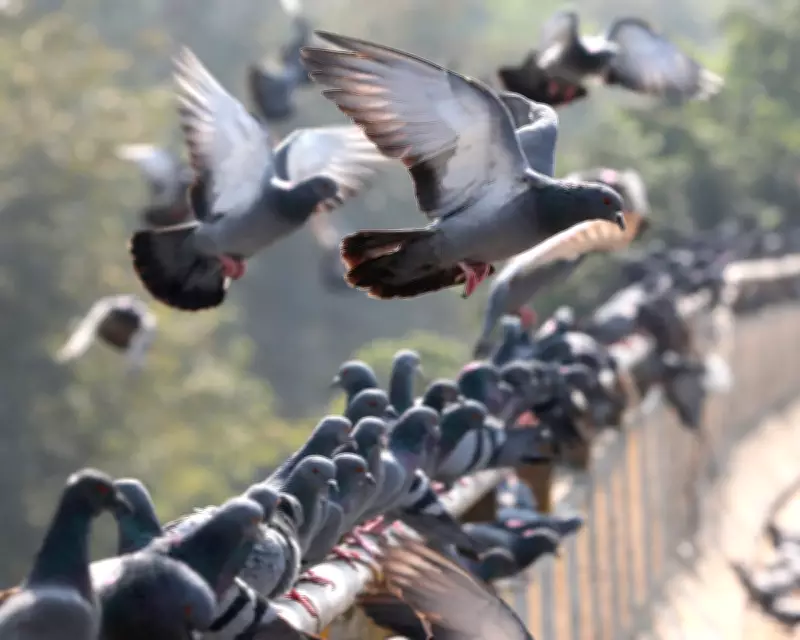
The research highlights numerous examples from around the world. In many regions, common species like rats, pigeons, and certain insects are becoming dominant, while unique endemic species face extinction. For instance, islands that once hosted distinct wildlife are now seeing their native populations replaced by invasive competitors. The study warns that if current trends continue, we could see a future where many ecosystems look strikingly similar, regardless of their geographic location.
This shift represents a profound loss of the planet's natural heritage and could have unforeseen consequences for human well-being, the authors note. They emphasize that biodiversity is crucial for services such as pollination, water purification, and climate regulation.
Call to Action and Future Outlook
Scientists are urging immediate action to combat this trend. Recommendations include:
- Strengthening biosecurity measures to prevent the spread of invasive species.
- Expanding protected areas to conserve remaining biodiversity hotspots.
- Implementing policies that promote sustainable land use and reduce habitat fragmentation.
- Increasing public awareness about the importance of biodiversity conservation.
While the outlook is concerning, the report suggests that it is not too late to reverse some of the damage. By taking concerted global efforts, we can work towards preserving the unique character of the world's ecosystems and mitigating the impacts of the Homogenocene era. The findings underscore the urgent need for a coordinated international response to this growing environmental crisis.