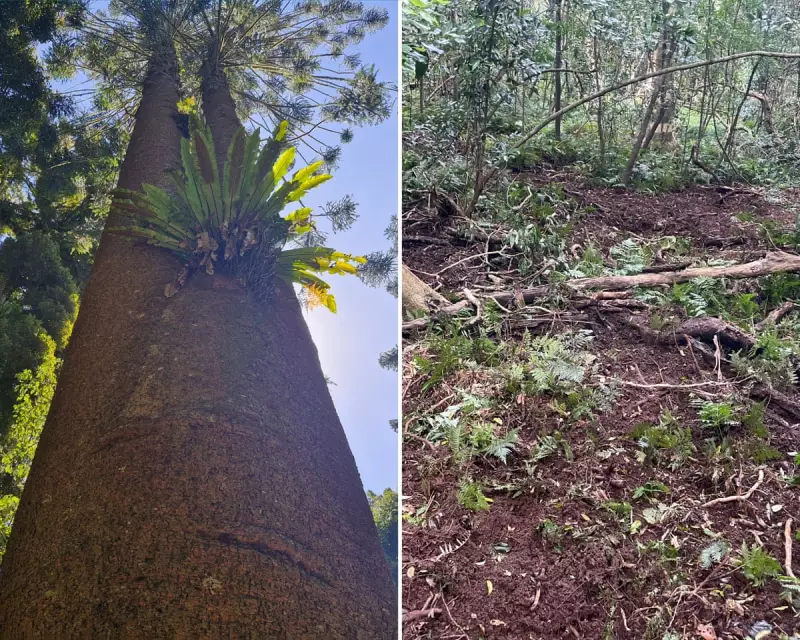
An environmental crisis is unfolding in Queensland's ancient rainforests as exploding populations of feral pigs wreak havoc on delicate ecosystems and culturally significant Indigenous sites. The invasive species is causing unprecedented damage to World Heritage-listed areas, threatening both biodiversity and Aboriginal cultural heritage.
Ecological Catastrophe in World Heritage Areas
The Wet Tropics of Queensland, a World Heritage site spanning approximately 894,420 hectares, is facing severe degradation from feral pig activity. These destructive animals are tearing through the forest floor, uprooting native vegetation, and spreading weeds that choke out indigenous plant species. The scale of destruction has reached alarming levels, with conservationists describing the damage as some of the worst they've witnessed in decades.
Local environmental groups report that feral pigs are particularly damaging to riverbanks and watercourses. Their constant rooting and wallowing behaviour causes significant soil erosion, which in turn leads to sedimentation in pristine waterways. This sedimentation smothers aquatic habitats and reduces water quality throughout the rainforest ecosystem, affecting countless native species that depend on these clean water sources.

Cultural Heritage Under Threat
The destruction extends beyond environmental concerns to encompass significant cultural damage. Sacred Indigenous sites dating back thousands of years are being systematically destroyed by feral pig activity. Traditional owners from the Djabugay and other Aboriginal groups have expressed deep distress at seeing their cultural heritage literally dug up and damaged by the invasive animals.
These sites include ancient ceremonial grounds, burial sites, and areas of spiritual significance that form an integral part of Indigenous cultural identity and connection to country. The damage to these locations represents not just physical destruction but a profound cultural loss that cannot be easily quantified or repaired.
Failed Control Measures and Growing Crisis
Current control methods have proven insufficient to curb the rapidly expanding feral pig population. Conservation experts attribute the population explosion to several factors, including:
- Consistent food availability from agricultural areas bordering the rainforest
- Reduced predator populations
- Ideal breeding conditions created by recent weather patterns
- Inadequate funding for comprehensive control programs
Traditional hunting and trapping efforts have failed to keep pace with the reproductive rate of feral pigs, which can produce multiple litters each year. The animals' intelligence and adaptability make them particularly difficult to control, as they quickly learn to avoid traps and hunting pressure.
The Queensland government faces increasing pressure to implement more effective management strategies that combine traditional knowledge with modern scientific approaches. Many conservationists argue that only a coordinated, well-funded regional approach can hope to address the scale of the problem.
As the damage continues to mount, there are growing concerns that without immediate and substantial intervention, some of Queensland's most valuable natural and cultural assets may suffer irreversible harm. The situation serves as a stark reminder of the devastating impact invasive species can have on delicate ecosystems and indigenous heritage.