Climate Crisis Disrupts Tropical Flowering Cycles, Study Warns
New research has uncovered that tropical plants are flowering months earlier or later than historical norms due to the climate crisis, posing severe threats to global ecosystems. The study, which analyzed 8,000 plant specimens dating back 200 years, indicates that these shifts could lead to cascading impacts across food chains and biodiversity.
Key Findings from the Research
Researchers examined flowers from biodiverse regions such as Brazil, Ecuador, Ghana, and Thailand, areas that are critically understudied. For instance, the Brazilian amaranth tree now flowers 80 days later than it did in the 1950s, while the Ghanaian rattlepod shrub's flowering period has shifted 17 days earlier between the 1950s and 1990s. On average, tropical flowering times have moved by two days per decade, based on museum data from 1794 to 2024.
Lead researcher Skylar Graves from the University of Colorado Boulder emphasized that nowhere on Earth is unaffected by climate change, debunking previous assumptions that tropical regions would be less impacted due to stable temperatures. "The tropics make up a third of the globe and host the most biodiverse ecosystems, with nearly 180 new plant species discovered there annually," Graves noted.

Ecosystem Consequences and Global Implications
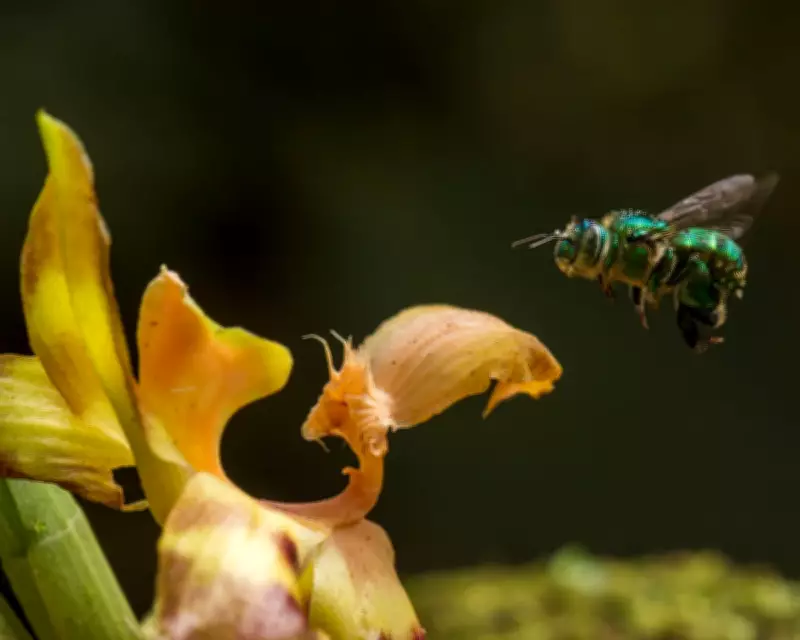
The study, published in the journal Plos One, warns that these changes fracture communities and food chains. When flowering falls out of sync with pollinators like migratory birds or fruit-eating animals, it disrupts seed dispersal and pollination cycles. For example, if a flower blooms when its pollinator is not present, both the plant and the animal suffer, potentially leading to population declines.
Graves explained, "Ecosystems are delicate webs of interactions; if plants, which form the basis, are out of sync, everything from primates to other wildlife can be affected." The research aligns with documented shifts in temperate, boreal, and alpine desert plants, showing that climate change influences flowering cues variably—some species flower earlier due to warmer daytime temperatures, while others delay due to disrupted nighttime cues.
Expert Insights and Call for Action
Dr. Emma Bush from the Royal Botanic Garden Edinburgh, who was not involved in the study, highlighted the urgency of understanding tropical ecosystems. "This research underscores how climate change is causing different ecosystem elements to respond at varying rates, risking biodiversity loss that benefits humanity," she said.
Graves urged for increased conservation efforts, stating, "The tropics are at as much risk as temperate regions, demanding equal attention to protect these vital ecosystems." The findings stress that tropical changes can have global repercussions, affecting planetary health and underscoring the need for comprehensive climate action.