Just a short boat ride from the bustling conference halls of Belém, where world leaders recently gathered for the COP30 climate summit, a centuries-old community is fighting for its survival. The quilombola settlement of Menino Jesus, home to descendants of formerly enslaved Africans, faces an existential threat from plans to build a vast landfill on its doorstep.
A Community's Fight for Recognition and Survival
While the COP30 summit featured prominent imagery and protests centred on Indigenous rights, the nearby quilombola community felt their own struggle was being ignored. Edson Coelho, a community elder, described the proposed landfill as "the most terrible crime that we can have here." The site, planned just half a kilometre from their settlement, would devastate approximately 200 hectares (495 acres) of land at the intersection of dozens of similar communities.
"We work with agriculture, we preserve the environment," Coelho explained. "And if this landfill is there, we will no longer be able to live here or sell any type of product, because who’s going to buy a product that’s contaminated?" The landfill would process rubbish from Belém and a dozen other municipalities, directly contradicting the community's sustainable way of life.

Guardians of the Forest with Deep Roots
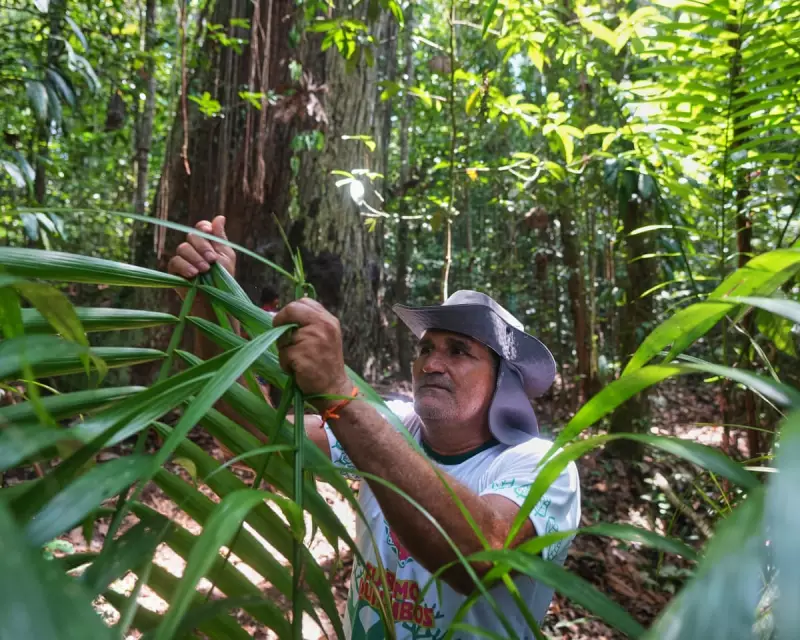
The Menino Jesus community has existed for six generations. Quilombolas are the descendants of people who escaped slavery and found refuge in the Amazon forest, developing a unique culture in harmony with nature. On a walk through the forest, Coelho demonstrated their deep knowledge, from making climbing tools from palm leaves to using plants for medicine and food.
Scientific research supports their role as environmental stewards. Lands belonging to Menino Jesus and the neighbouring Itacoã-Miri territory show 29% to 55% lower deforestation rates compared to other areas. Despite this, political recognition lags far behind. Brazil is home to more than 1.3 million quilombola people across almost 2,500 Amazon communities, yet only 4.3% have formal land rights.
Empty Words and a Contradictory Summit
For community members like Fabio Nogueira, the grand discussions at COP30 felt deeply contradictory. "What the world is talking about and deciding is not considering our voices," he said. "We are the true guardians, the true defenders of the forest, and we have no opportunity to expose what is afflicting us."
Although the summit's final documents for the first time referenced Afro-descendant communities, many campaigners dismissed the mentions as "perfunctory," as they failed to grant them official constituency status within the UN framework. Meanwhile, the legal battle over the landfill continues. The state environmental department initially denied a licence, but a local court ordered the process to resume, and a final decision is pending. Already, illegal dumping has begun at the proposed site.
At the Itacoã-Miri community, where residents practice agroforestry with the superfood açaí, young leader Erica Monteiro summed up the frustration. "[They] need to listen to the populations that live in the forest, because the forest is not just fauna and flora," she stated. "It has people who resist in those territories... The problem is that the government talks a lot and listens little." As the world seeks climate solutions, the quilombolas' plea is clear: recognition and land rights are essential for both their future and the preservation of the Amazon.