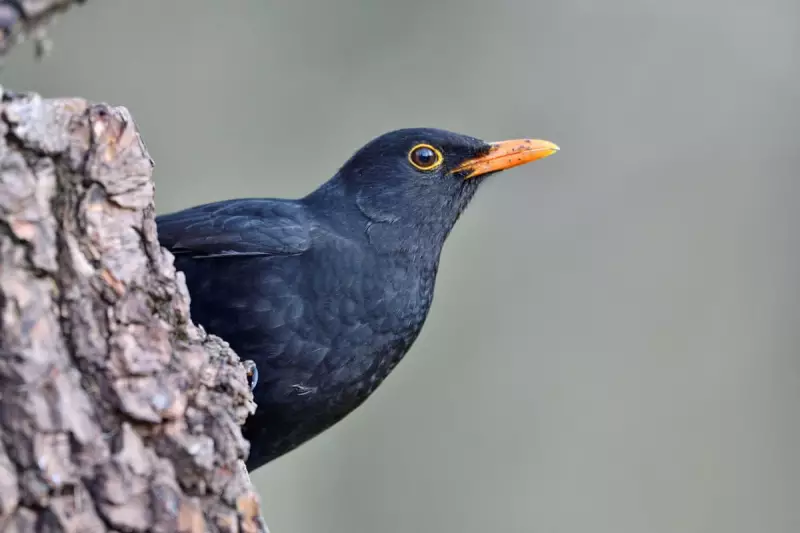
Insect-eating bird populations in France are showing tentative signs of recovery following the European Union's ban on neonicotinoid pesticides, according to groundbreaking research published in Environmental Pollution.
First Evidence of Wildlife Recovery
The study represents the first examination of how wildlife is returning in Europe after the 2018 prohibition of these controversial chemicals. Researchers observed that France's population of insect-eating birds had increased by 2%-3% by 2022, just four years after the ban came into effect.
Thomas Perrot, lead researcher from the Fondation pour la recherche sur la biodiversité in Paris, stated: "Even a few percentage points' increase is meaningful – it shows the ban made a difference. Our results clearly point to neonicotinoid bans as an effective conservation measure for insectivorous birds."

Research Methodology and Findings
The comprehensive study analysed data from more than 1,900 sites across France collected by skilled volunteer ornithologists for the French Breeding Bird Survey. Researchers divided the data into two periods: the five years before the ban (2013-2018) and the post-ban period (2019-2022).
The team examined 57 bird species across these sites, each measuring 2km by 2km. The analysis revealed that numbers of insectivorous birds at pesticide-treated sites were 12% lower compared with sites where there was no neonicotinoid use.
Species showing recovery included:
- Blackbirds
- Blackcaps
- Chaffinches
These birds rely on insects both as adults and for feeding their chicks, making them particularly vulnerable to pesticide impacts.
Broader Implications and Cautious Optimism
Frans van Alebeek, policy officer for rural areas at BirdLife Netherlands, expressed surprise at the speed of recovery: "I was surprised you could already see recovery. It's extremely difficult to study this – which makes this study so special. The positive message is that it helps to ban pesticides and it will result in the recovery of wildlife."
However, other experts urged caution. James Pearce-Higgins, director of science at the British Trust for Ornithology, noted: "It's a study that shows there may be early signs of weak population recovery but the results are uncertain and could be down to other correlated factors." Habitat and climate changes could also explain variations in bird numbers.
Like the EU, the UK banned neonicotinoids for outdoor general use in 2018, though exceptional use permits remain possible. Meanwhile, the United States continues widespread use of these chemicals and has lost nearly 3 billion insectivorous birds since the 1970s.
Perrot emphasised that the recovery remains fragile: "Neonicotinoids persist in soils for years and can keep affecting insects. Overall, our results suggest that it will take several decades for insectivorous bird populations to recover." This timeline aligns with historical patterns observed after DDT restrictions, where most bird populations required 10 to 25 years for full recovery.
The research suggests that other insect-eating animals including small mammals, bats and fish could also be benefiting from the pesticide ban. Generalist birds like wood pigeons and house sparrows appeared less affected, likely due to their more flexible diets.
Looking forward, researchers advocate for more sustainable farming practices that reduce pesticide use and restore semi-natural habitats to support continued wildlife recovery.