Bat Guano Research in Mozambique's Gorongosa Park Reveals Ecosystem Secrets
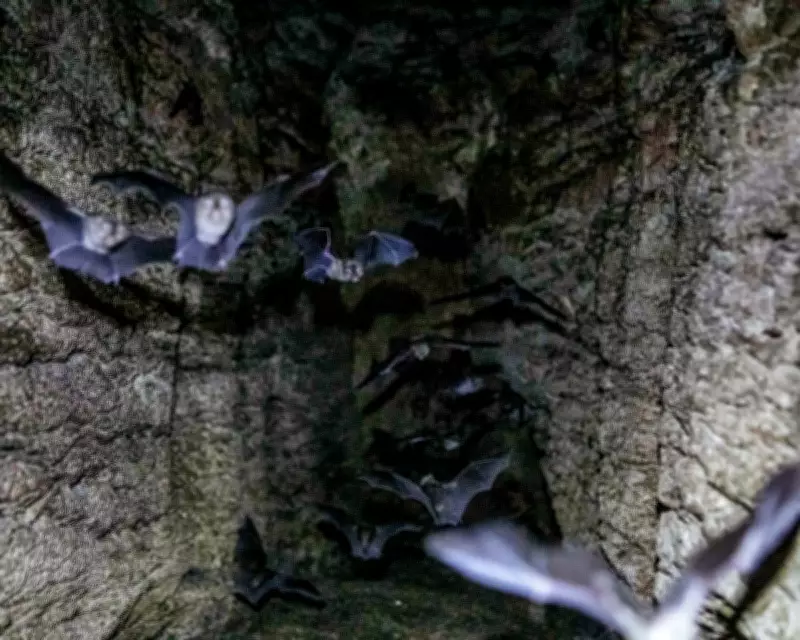
In the shadowy caves near Inhaminga, Mozambique, thousands of bats emerge nightly from Gorongosa National Park's underground networks. These caves, some housing over 10,000 bats from more than 100 species, are the focus of groundbreaking scientific research into guano—bat droppings that scientists now recognize as far more than waste.
The Hidden World of Cave Ecosystems
Molecular biologist Raúl da Silva Armando Chomela from Beira, Mozambique, spends his days wriggling into damp, cool caves equipped with latex gloves, a helmet headlamp, and a protective mask. After two years studying these winged mammals and their excrement, Chomela describes guano as an entire ecosystem in itself.
"Guano is far more than just bat droppings," Chomela emphasizes. "If I had to describe it in one word, I'd say 'ecosystem.'"

Developed over time from bird and bat feces, this rich organic material supports cave-dwelling beetles, frogs, and salamanders while maintaining unique microbiomes that have evolved without sunlight. These underground environments represent just a fraction of Gorongosa's 4,000 square kilometers, one of Africa's most biodiverse regions.
From War Zone to Conservation Success
Gorongosa's journey from battleground to biodiversity hotspot forms a remarkable conservation narrative. Founded in 1960 by Portuguese colonial authorities, the park suffered devastating losses during Mozambique's civil war when Renamo guerrillas consumed nearly all wildlife—including 95% of animals like elephants, buffalo, and hippos.
Decades of environmental efforts have transformed Gorongosa into a conservation success story. The Paleo-Primate Project partnership between Oxford University and the national park, led by primatologist Susana Carvalho, exemplifies this transformation. "Gorongosa Restoration Project is the largest employer in the region and an important factor for economic stability," Carvalho notes.
Scientific Innovation Meets Community Needs
Chomela's research employs cutting-edge techniques like metabarcoding—using environmental DNA to analyze species composition—to understand bat diets and guano production rates. His work at the EO Wilson Laboratory in Chitengo focuses on how economic activities and climate change affect Gorongosa's fragile ecosystem.
"We know that bats feed on insects—including mosquitoes that are malaria vectors—and pests, which protects crops," Chomela explains. "That's why we're focusing on understanding exactly what constitutes bats' diets."
Local communities have long harvested guano as fertilizer for sorghum, beans, and maize, earning approximately 200 meticais (£2.33) per 50kg collected. However, unregulated harvesting threatens cave biodiversity. João Lorenço Daoce, 29-year-old community leader of Inhaminga, now guides researchers through caves he once played in as a child, helping bridge scientific understanding with traditional knowledge.
Sustainable Solutions for People and Wildlife
Chomela's research aims to develop sustainable harvesting methods that protect both bat populations and community livelihoods. By catching and tagging bats to collect sterile droppings samples, he gathers data on consumption patterns, sex ratios, and pathogens.
"When they see the guano, they see money," Chomela observes about local harvesters. "But guano guarantees stable environmental conditions in caves. Overharvesting will compromise the composition of a cave, making it sterile."
The scientist hopes DNA study results will help transform local perceptions. Traditional beliefs often regard bats as bad omens, with some communities believing bat appearances foretell death. "It's important to show that this isn't the case," Chomela insists.
By demonstrating how bats control crop pests through scientific evidence, researchers aim to foster coexistence between communities and these essential ecosystem contributors. As Mozambique continues developing despite poverty challenges, Gorongosa's bat research represents both ecological preservation and economic opportunity through sustainable practices.