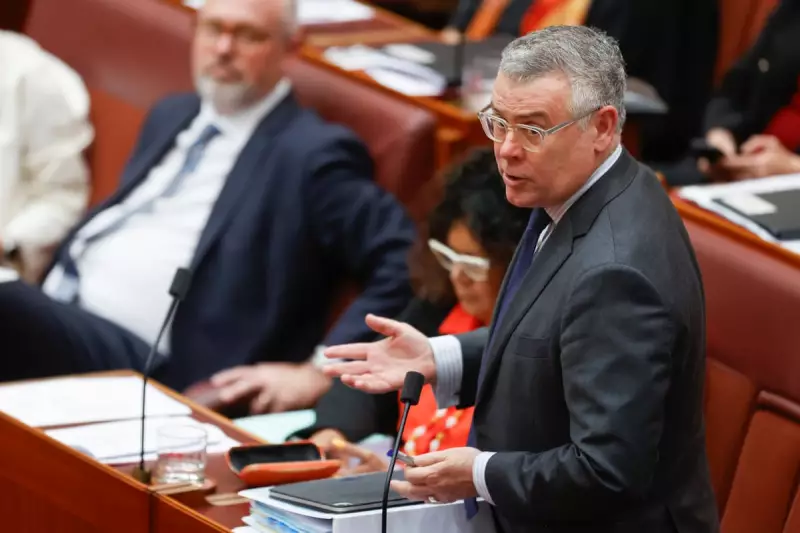
In a dramatic political standoff, Australia's Environment Minister Murray Watt has declared he will secure a deal with either the Coalition or the Greens to pass the government's contentious nature laws legislation during parliament's final sitting week for 2025.
High-Stakes Negotiations Intensify
Senior Liberal MPs are increasingly optimistic about reaching an agreement with Labor on a significantly watered-down version of the environmental reforms. This would allow the legislation to pass the Senate before parliament rises on 27 November 2025.
Minister Watt has shown openness to a Coalition deal that would require substantial concessions, including revising a crucial new provision designed to block projects causing an "unacceptable impact" on the environment. Such a compromise would mean abandoning key Green demands for new native forest protections and climate-related measures.

Greens Warn of 'Big Business' Influence
The Greens environment spokesperson, Sarah Hanson-Young, has launched a scathing attack on the potential Labor-Coalition agreement, warning it would lack all credibility. "If the climate deniers in the Liberal and National parties support the bill, then it just shows that it has been written for big business and mining companies," she stated.
Despite neither the opposition nor Greens currently backing the legislation, Minister Watt remains adamant about his timeline. "I want to make it again, very clear, we will be passing these reforms next week in the final sitting week of the year, and it's now up to the Coalition and the Greens to decide whether they want to be part of that or not," Watt asserted.
Industry Pressure and Key Concessions
The opposition's demands closely mirror amendments proposed by an alliance of 26 industry groups, who have urged major parties to agree on changes and pass the bill. Key industry concerns include:
- The vague definition of "unacceptable impact" potentially setting too low a bar for blocking developments
- Seeking constraints on the proposed environment protection agency's powers
- Allowing developers to appeal "stop-work" orders that halt projects
Western Australian Premier Roger Cook – who previously helped defeat the Albanese government's first EPBC Act amendment attempt – has indicated he shares industry concerns about the legislation's potential impacts.
While Watt appears open to clarifying the "unacceptable impact" definition, he has drawn a firm line at major changes to the environment protection agency's design, which was a key election promise at the past two federal ballots.
Shadow environment minister Angie Bell maintains that Labor must agree to "significant amendments" to what she describes as an "unworkable" set of laws. Meanwhile, the Greens refuse to support the bill without native forest protections, climate effect assessments for proposals, and guarantees against fast-tracking coal and gas projects.
As parliament's final 2025 sitting week approaches, all parties face increasing pressure to either compromise or risk another failed attempt at reforming Australia's core environmental protection framework.